
Custom Card Printing Guides
Custom Greeting Card Printing Wholesale: Sizes, Finishes, and Packaging Guide

Table of Contents
- What to Plan Before Ordering Wholesale Greeting Cards
- Greeting Card Sizes and Folded Formats
- Paper Stock, Thickness, and Construction
- Finishes for Appearance and Protection
- Packaging Options for Wholesale Orders
- Sampling, Production, Quality Control, and Shipping
- Wholesale Buyer Checklist
- Conclusion: Build a Clear Greeting Card Specification
Custom greeting card printing wholesale requires coordinated decisions about card size, paper stock, folding, finishes, envelopes, packaging, and shipping. This guide helps publishers, retailers, agencies, and gift brands prepare a practical production brief and reduce avoidable sampling or packing issues.
What to Plan Before Ordering Wholesale Greeting Cards
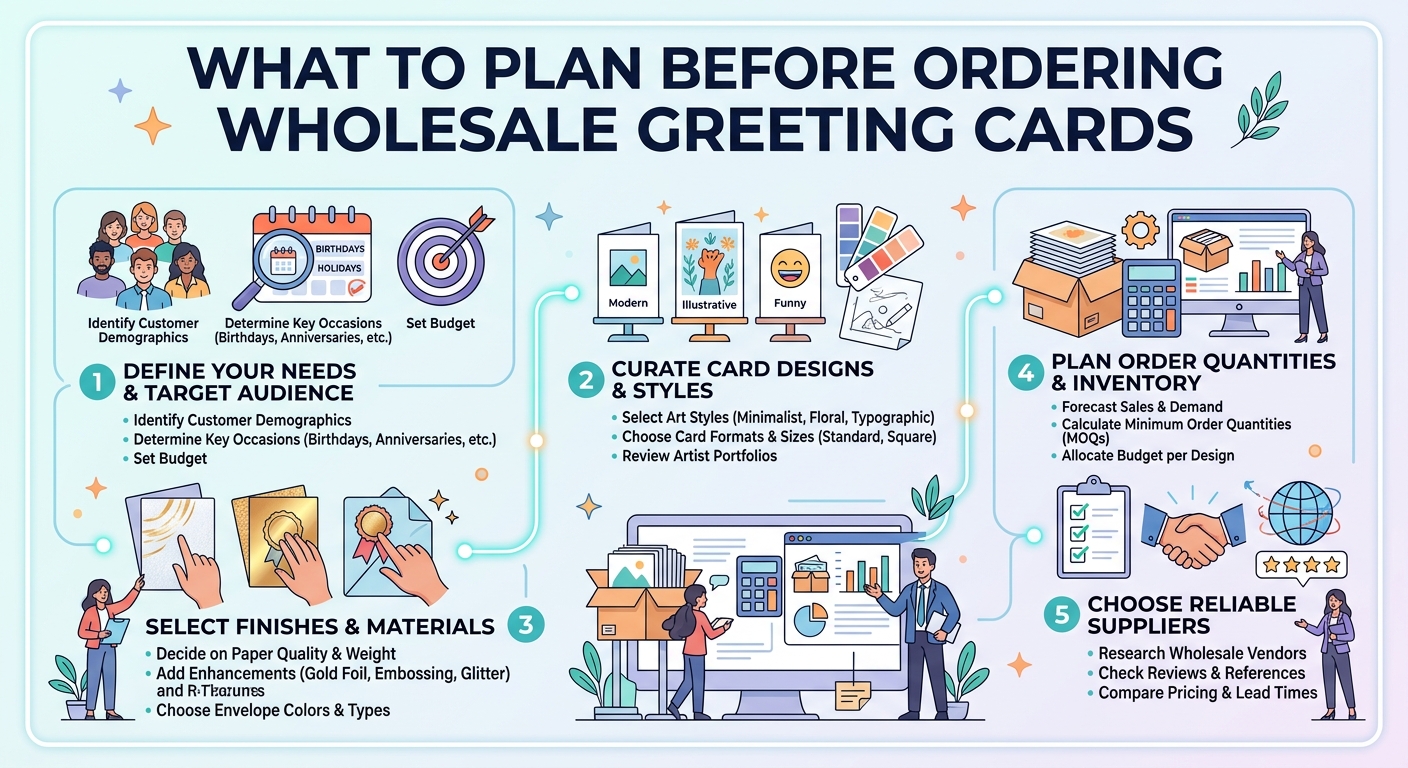
Custom greeting card printing wholesale is most efficient when the buyer confirms the product specification before requesting a final quotation. The core decisions are finished size, flat or folded construction, paper stock, artwork, printing coverage, finishes, envelopes, packing method, quantity, and destination.
For a retail card line, begin with how the product will be sold and displayed. A card sold individually may need an envelope and a protective sleeve, while a boxed assortment needs coordinated internal dividers, labels, and an outer carton. If the cards will be mailed, the unfolded thickness and package dimensions also matter.
Specifications, minimum order quantity, price, and lead time depend on the project requirements. A factory can provide a more useful recommendation after reviewing the card format, dimensions, quantity, material, finish, packaging, and shipping destination.
Prepare final or near-final artwork early. Bleed, trim, safe areas, color mode, image resolution, and font handling can affect both the proof and the production result. See the practical guide to custom card printing artwork requirements before sending files.
Greeting Card Sizes and Folded Formats
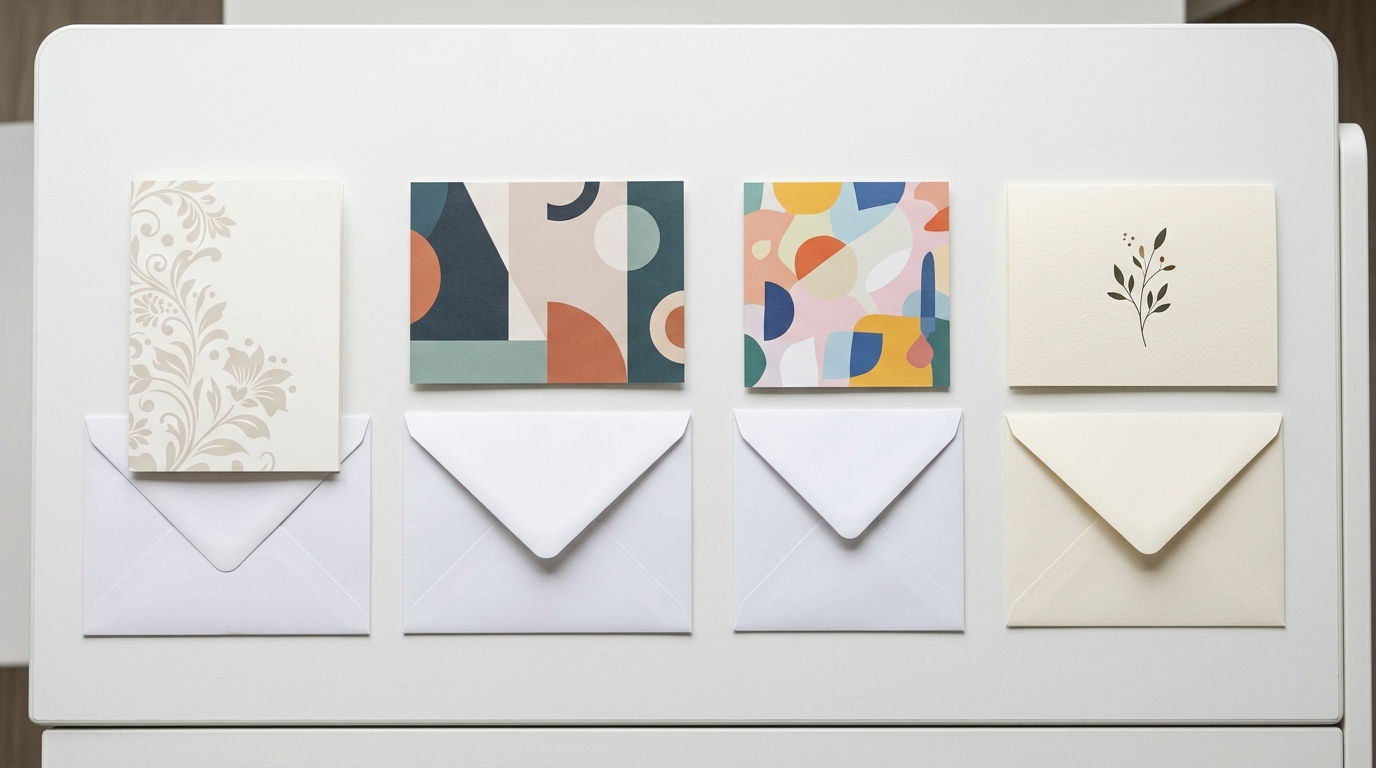
Card size means the final trimmed dimensions of the product, while the flat size is the unfolded sheet before creasing and folding. Always state which measurement you are providing. A folded card specification should include the closed size, orientation, fold position, and whether the card opens vertically or horizontally.
Common format choices
- Portrait folded card: useful for illustrations, photography, and front-cover messages.
- Landscape folded card: suitable for panoramic artwork and wider interior layouts.
- Square card: creates a distinctive shelf appearance but may require extra attention to mailing and outer-carton efficiency.
- Flat postcard-style card: uses less construction work and can suit simple messages, promotional inserts, or direct-mail applications.
- Die-cut or shaped card: supports distinctive silhouettes but usually requires a custom cutting tool or detailed cutting specification.
For wholesale planning, standard formats may simplify envelope sourcing, packing, and carton utilization. Custom dimensions can differentiate the product, but they should be checked against envelope availability, retail display space, postage requirements, and shipping protection.
Confirm whether the design includes a blank writing area, printed interior artwork, a back-panel barcode, product information, or a copyright line. These details affect the artwork layout and inspection points.
Invitation products often use similar decisions about size, folding, paper, and envelopes. For a related application, review custom invitation card printing for events.
Paper Stock, Thickness, and Construction
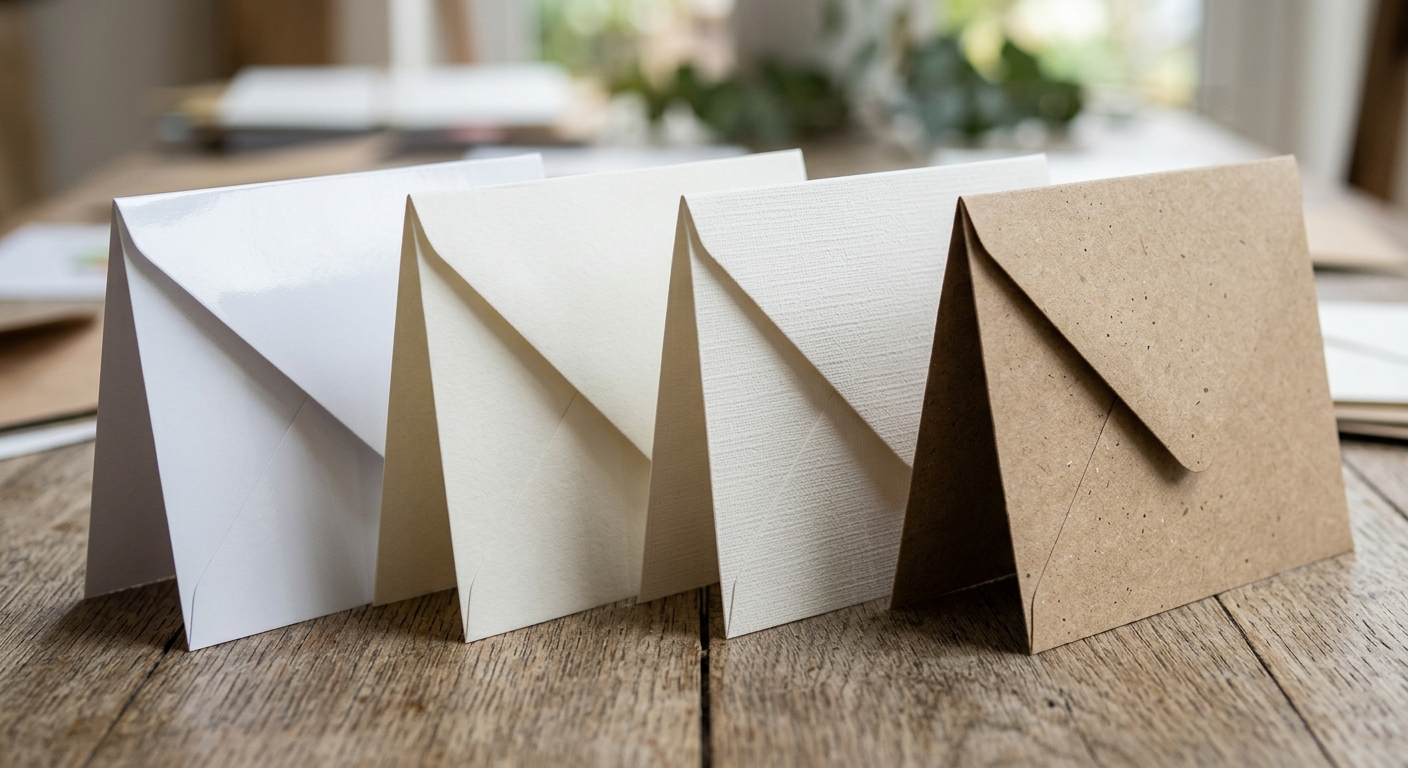
Paper stock is the paper material selected for printing. Thickness is commonly discussed by weight or caliper, but suppliers may use different measurement systems, so buyers should request a specific stock description or physical sample rather than relying on a number alone.
Key material considerations
- Writing performance: uncoated stock is generally more suitable for handwriting than heavily coated stock.
- Image reproduction: coated surfaces can produce a smoother, sharper appearance for detailed photography and saturated graphics.
- Folding behavior: thicker stock may need scoring before folding to help reduce cracking along the crease.
- Hand feel: heavier stock can communicate a more substantial product impression, but it also affects folded thickness and shipping weight.
- Interior requirements: a blank or lightly printed interior may need a different surface preference from the image-heavy cover.
Most wholesale greeting cards use a paperboard construction selected around the product’s intended feel, fold, print coverage, and budget. Recycled, textured, colored, or specialty papers may support a particular brand position, but they should be tested for color reproduction, scoring, and consistency across the order.
Ask the manufacturer to confirm the front, back, and interior print areas, the grain or folding direction where relevant, and whether the selected stock is suitable for the requested finish. A physical sample is especially helpful when tactile feel and fold quality are important.
Finishes for Appearance and Protection
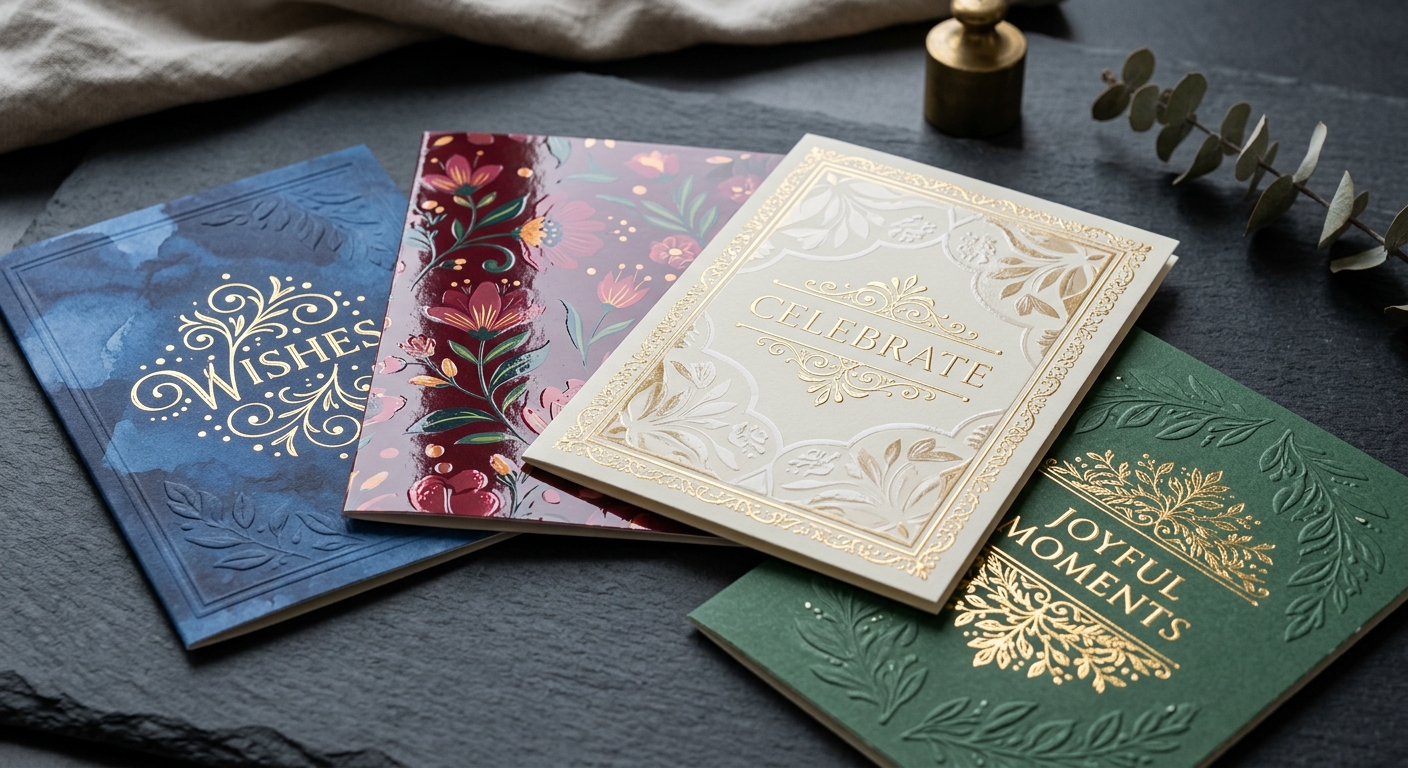
A print finish is a surface treatment applied after or during printing to change appearance, texture, durability, or selected visual details. Finishes should be chosen with the artwork, paper, folding method, and target price position in mind.
Common finish options
- Gloss or matte lamination: a film layer that can influence reflectivity, surface feel, and resistance to handling.
- Aqueous or protective coating: a coating applied to help protect printed surfaces; the available effect depends on the paper and production process.
- Spot UV: a raised-gloss or high-gloss effect applied to selected areas such as a logo, title, or illustration detail.
- Foil stamping: a metallic or colored foil transferred to defined artwork areas for emphasis.
- Embossing or debossing: a dimensional treatment that raises or presses selected paper areas.
- Textured or specialty stock: creates a tactile effect through the paper itself rather than a separate coating.
Combining several effects can create a premium result, but every added process introduces another registration, folding, inspection, or cost consideration. Keep critical text away from folds and confirm the finish layer does not interfere with writing areas, barcode readability, or envelope insertion.
For a detailed comparison of physical card treatments, buyers can also review custom card finishes and packaging specifications used in another card category.
Packaging Options for Wholesale Orders
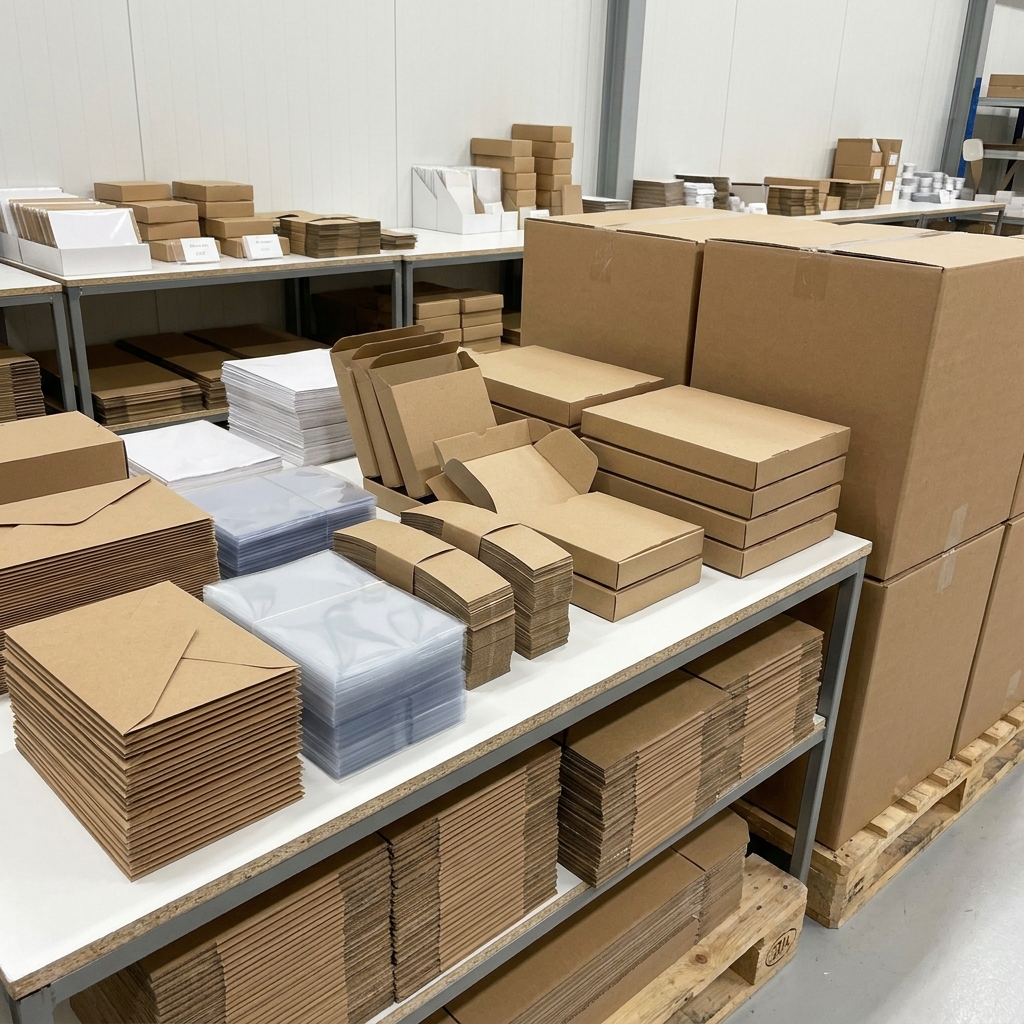
Packaging should protect the cards during handling and export shipping while supporting the sales format. Decide whether the cards will be packed individually, in assortments, or in larger cartons for later local packing.
Practical packaging formats
- Envelope with card: a standard retail-ready combination for individual greeting cards.
- Protective sleeve: helps keep a single card and envelope together and can provide a surface for a barcode or label.
- Paper band or belly band: groups an assortment with relatively low material use.
- Tuck box: a folding carton that can hold a set of cards and envelopes while remaining efficient for storage and shipping.
- Rigid box: a more substantial presentation package for premium sets or gift positioning.
- Export carton: the outer shipping case used to consolidate units and protect them in transit.
Specify the number of cards and envelopes per inner pack, carton quantity, carton dimensions, labeling, barcode position, and whether dividers or moisture protection are needed. Packaging artwork may require separate dielines from the card artwork.
The correct package depends on product positioning, protection requirements, order quantity, budget, and shipping plan. Compare tuck boxes, rigid boxes, and magnetic cases before finalizing a premium set.
Sampling, Production, Quality Control, and Shipping
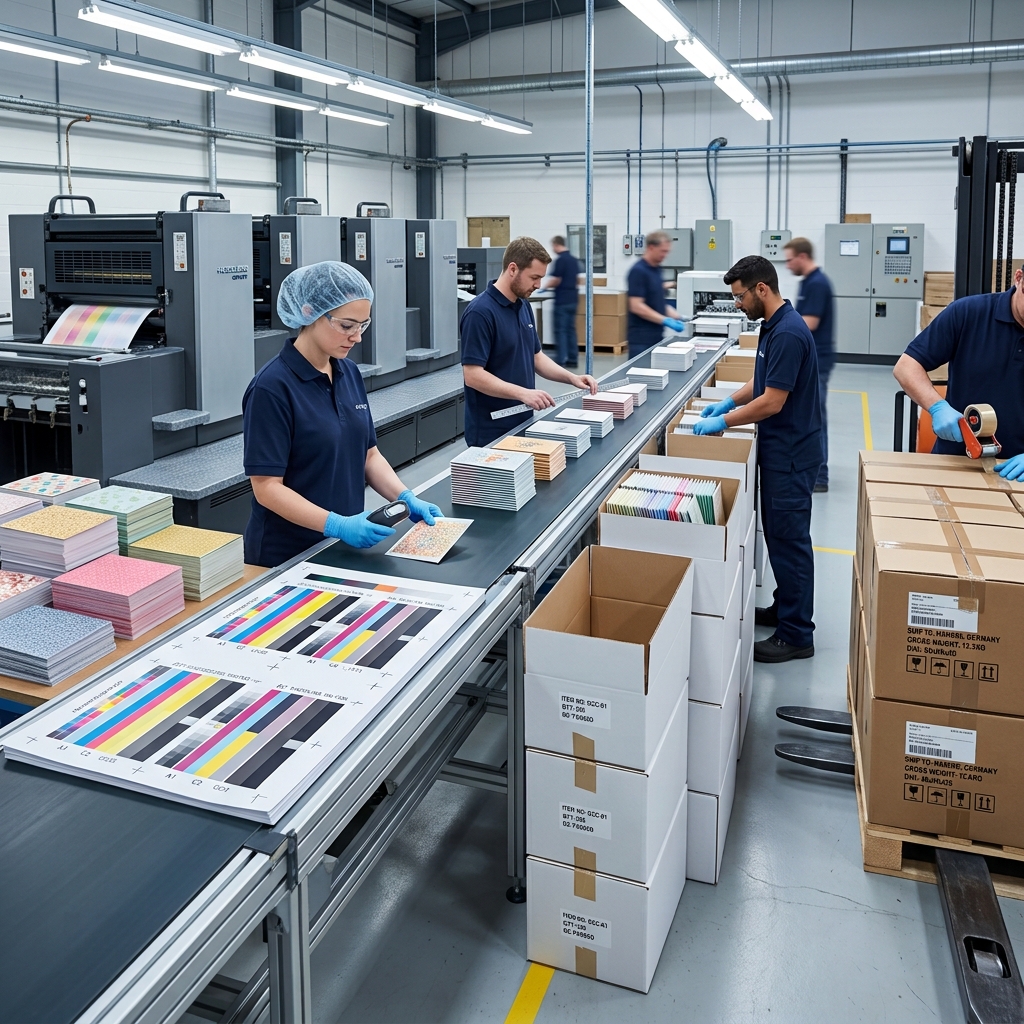
A clear production process reduces the chance that a wholesale order reaches the factory with unresolved decisions. A typical workflow includes the following steps:
- Artwork review: the factory checks dimensions, bleed, files, folding layout, finish layers, and packaging dielines.
- Quotation and specification confirmation: both sides confirm card format, material, quantity, finish, packing, destination, and commercial terms.
- Proof or sample: a proof checks layout and content, while a physical sample helps evaluate paper feel, color, folding, finish, and packaging fit.
- Pre-production approval: the buyer confirms the approved reference and any permitted tolerances before bulk production.
- Bulk printing and finishing: printing, cutting, creasing, folding, assembly, and packing follow the agreed specification.
- Quality control: inspections can cover dimensions, print registration, color consistency, cutting, creasing, surface defects, assembly, quantity, and carton condition.
- Export packing and shipment: finished units are consolidated for international transport with shipping documents and packing details as required.
Sampling should focus on the decisions that are difficult to judge from a screen: paper feel, folded alignment, finish appearance, envelope fit, and final packed dimensions. A proof may be sufficient for a straightforward artwork approval, while a physical sample is more useful for a new structure or premium finish. Read sample versus proof guidance when deciding which approval stage fits your project.
YBJ Cards Printing is a China-based custom card printing manufacturer with more than 20 years of experience. Its support covers artwork review, sampling, bulk production, seven-stage quality control, export packing, and worldwide shipping. Exact production arrangements remain dependent on the confirmed project specification.
Wholesale Buyer Checklist
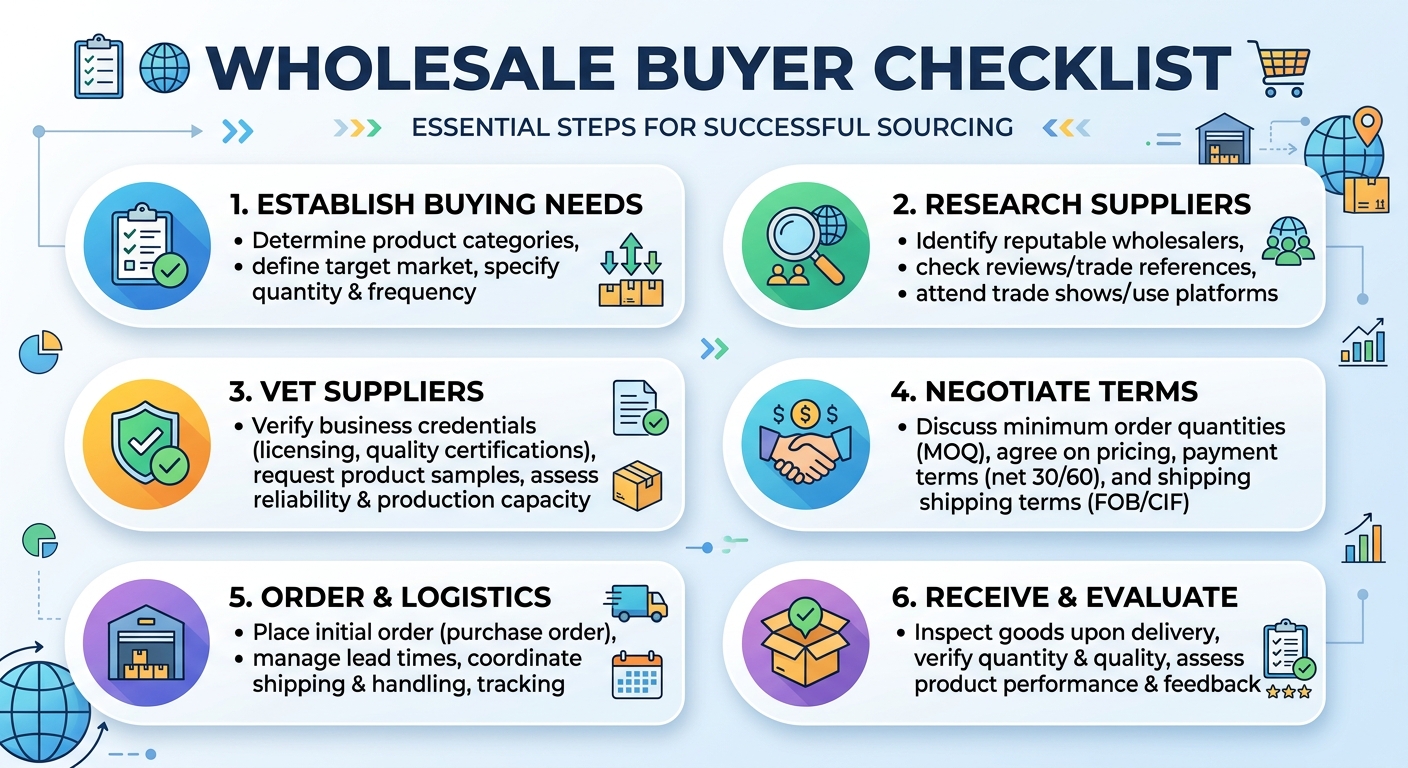
Send the following information when requesting a recommendation or quotation for wholesale greeting cards:
- Card type: flat, folded, die-cut, boxed set, or assortment.
- Finished size, orientation, fold direction, and quantity of designs.
- Paper stock, preferred thickness, color, texture, and writing requirements.
- Print coverage for the front, back, interior, and envelope.
- Finish selection, including lamination, coating, foil, embossing, debossing, or spot effects.
- Envelope style, sleeve or box requirement, units per pack, labels, and barcodes.
- Target order quantity, expected reorder pattern, and sample requirement.
- Destination country, delivery address or port, and any carton or document requirements.
Also state which details are fixed and which are open to recommendation. This allows the manufacturer to suggest alternatives without changing the product’s intended retail position.
Conclusion: Build a Clear Greeting Card Specification

Custom greeting card printing wholesale works best when size, construction, paper, finish, packaging, and shipping are treated as one coordinated product specification. Standard formats can simplify sourcing and packing, while custom shapes and premium finishes can create differentiation when they are tested properly.
Request artwork review and sampling before bulk production, define the acceptance reference, and confirm how the finished cards will be packed for retail and export handling. Specifications, MOQ, price, and lead time depend on the final requirements, so a complete brief is the fastest route to a realistic recommendation.
Request a Wholesale Greeting Card Recommendation
Share your card type, finished size, material, quantity, finish, and packaging requirements with YBJ Cards Printing. Our team can review the brief and provide a tailored production recommendation and quotation based on your project.
Tags
Keep Reading
Related Articles
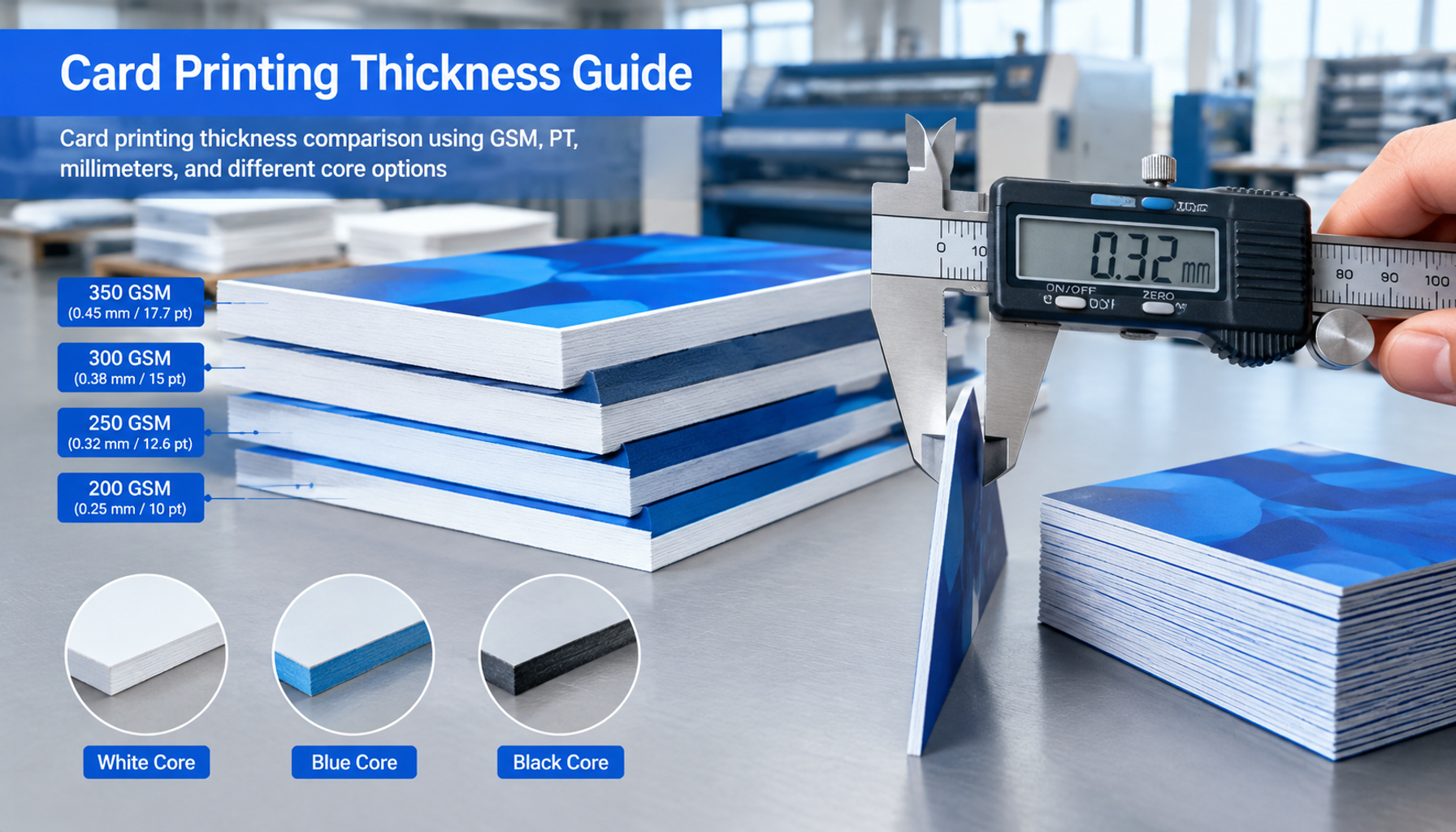
Card Printing Thickness: GSM, PT, and Core Selection Guide
A practical B2B guide to comparing GSM, PT, millimeters, paperboard cores, and plastic constructions when specifying custom cards.
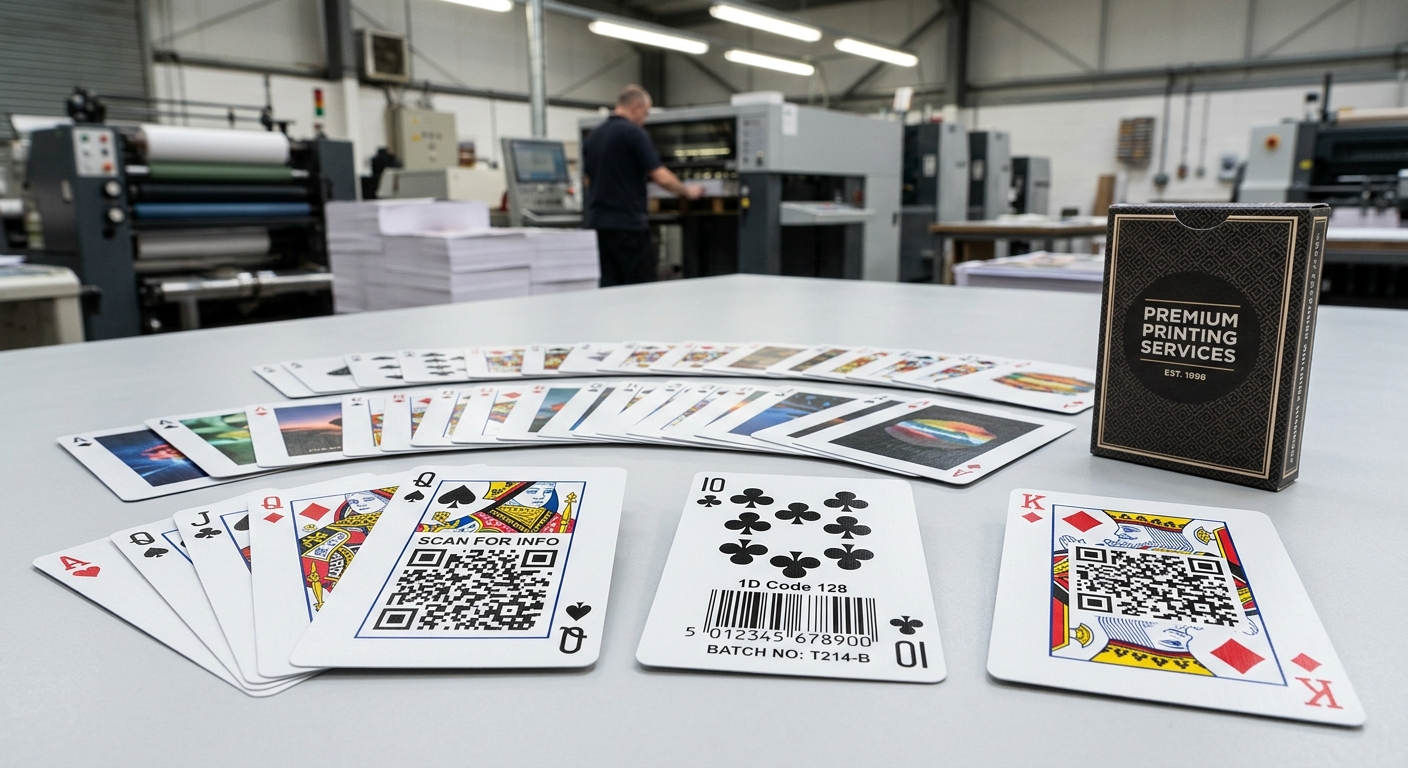
How to Print Custom Cards with QR Codes and Barcodes in a Deck
Printing scannable codes on a custom card deck requires coordination between code generation, database management, artwork preparation, print production, finishing, and scan testing. This practical guide explains how B2B buyers can prepare reliable QR codes and barcodes for static or variable-data card decks.
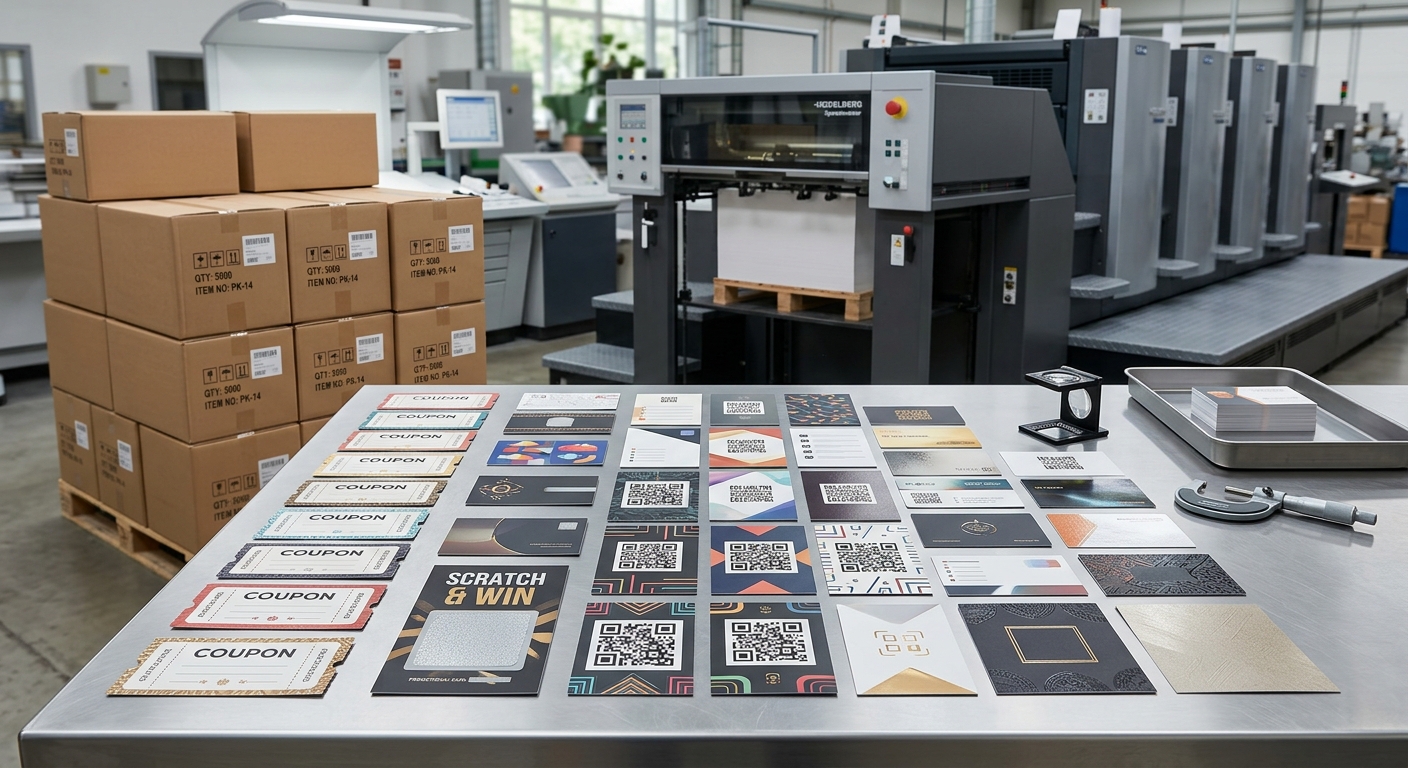
Custom Promotional Card Printing for Marketing Campaigns: Formats and Production Tips
Custom promotional card printing helps brands deliver compact, measurable marketing materials for launches, retail promotions, events, loyalty programs, and direct-mail campaigns. The best result depends on matching the card format, material, finish, artwork, quantity, and packaging to the campaign objective.
Fast Quote Support
Ready to Start Your Custom Card Project?
Send us your product type, size, material, quantity, and packaging requirements. Our team will reply within 24 hours with production suggestions, sampling options, and a competitive quote. No setup fees.