
Custom Card Printing Guides
Custom Invitation Card Printing for Events: Paper, Finishes, and Mail-Ready Packaging
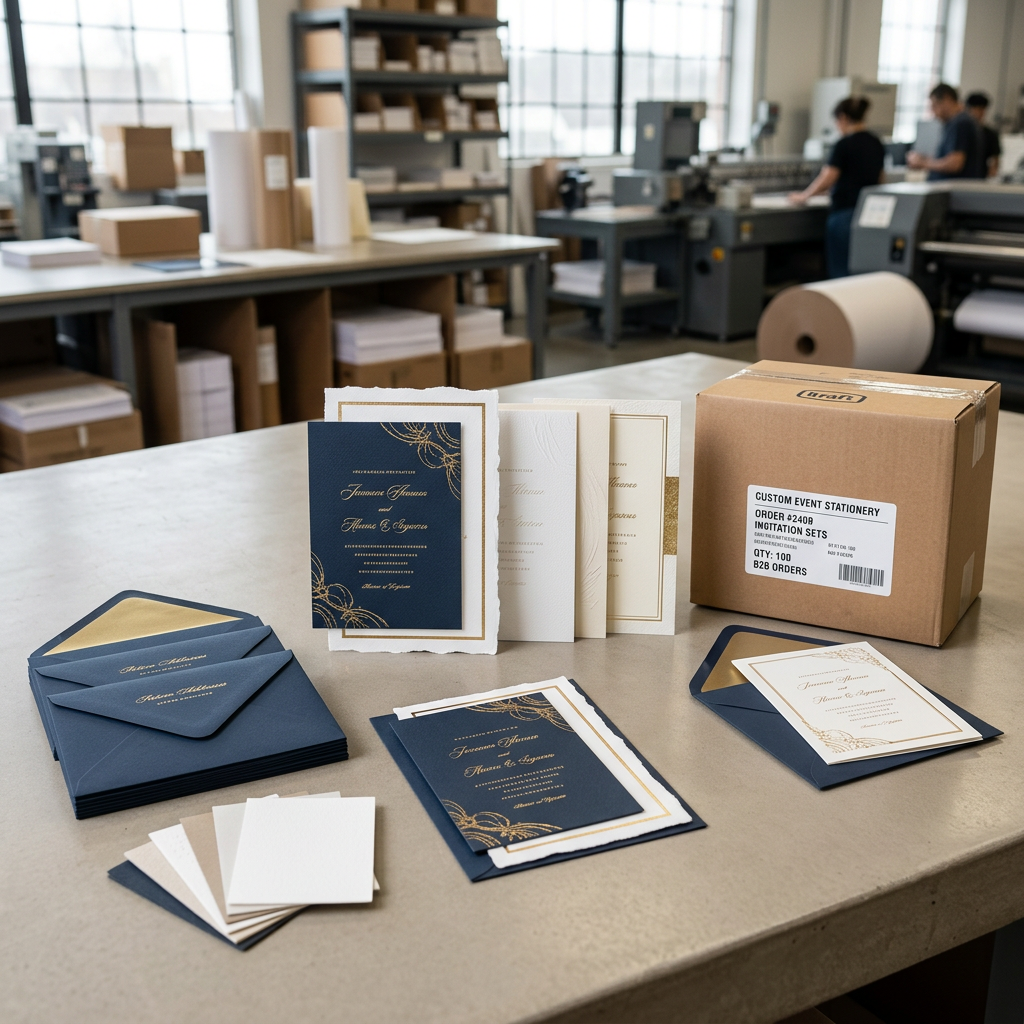
Table of Contents
- What custom invitation card printing includes
- How to choose invitation card paper
- Finishes and special effects
- Size, artwork, and insert specifications
- Sampling, production, and quality control
- Mail-ready packaging and international shipping
- Conclusion: planning a reliable invitation order
Custom invitation card printing requires coordinated decisions about card stock, artwork, finishes, sizing, envelopes, packaging, and shipping. This guide explains how B2B event planners, agencies, retailers, and brands can prepare a practical invitation card specification and reduce production risks.
What custom invitation card printing includes
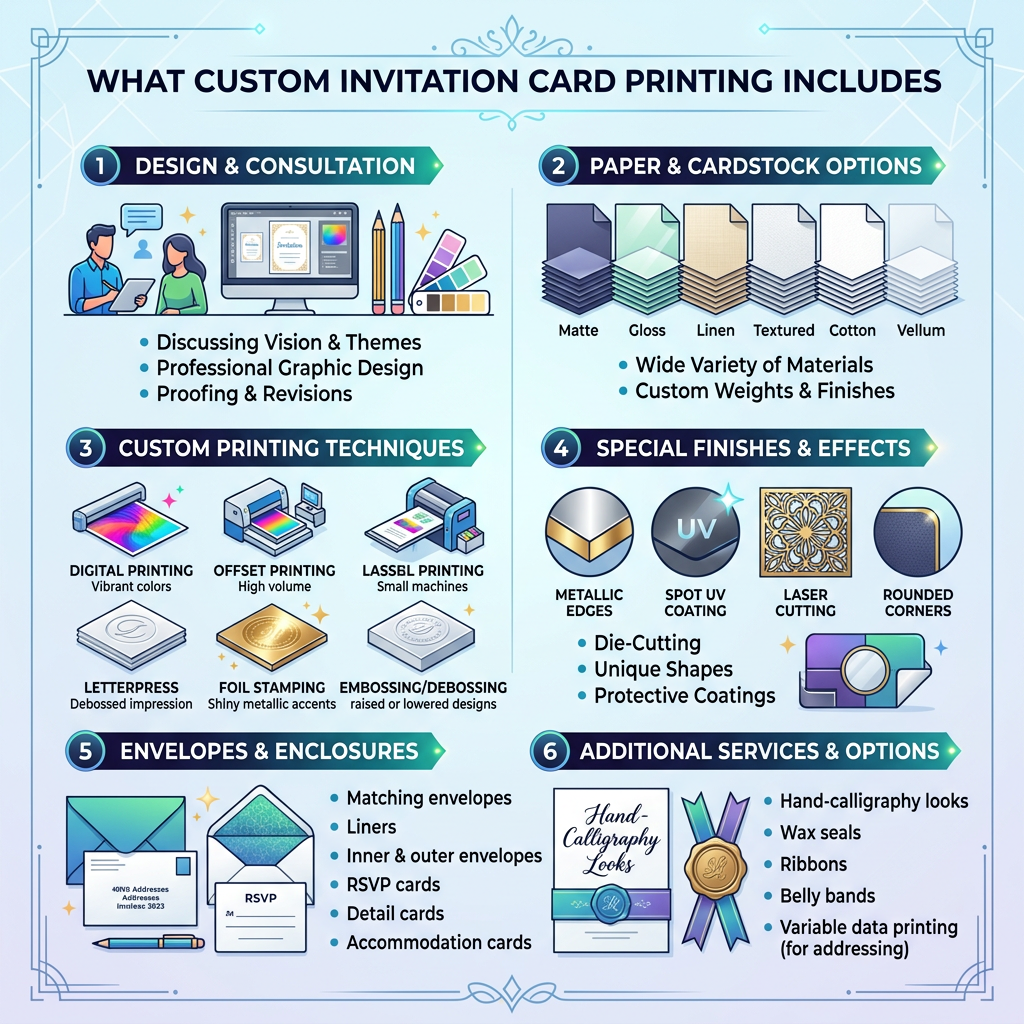
Custom invitation card printing is the production of event invitations according to a buyer’s artwork, dimensions, paper, finishing, quantity, and packaging requirements. For a professional result, the project should be planned as a complete product rather than as a single printed sheet.
A typical invitation order may include the main invitation card, reply card, information insert, envelope, belly band, pocket folder, or other presentation components. The exact combination depends on the event and the intended mailing method. Wedding stationery, corporate event invitations, gala materials, product launch invitations, and retail invitation sets can all require different specifications.
The most important decisions are:
- Final card size and folded or flat format
- Paper type, weight, color, and texture
- Printing method and color requirements
- Finishes such as foil stamping, embossing, debossing, or soft-touch coating
- Envelope size and insert compatibility
- Quantity, packing configuration, and shipping destination
Specifications, MOQ, price, and lead time depend on the project requirements. Sharing complete information at the quotation stage helps the manufacturer assess material availability, production steps, packing volume, and shipping options.
How to choose invitation card paper
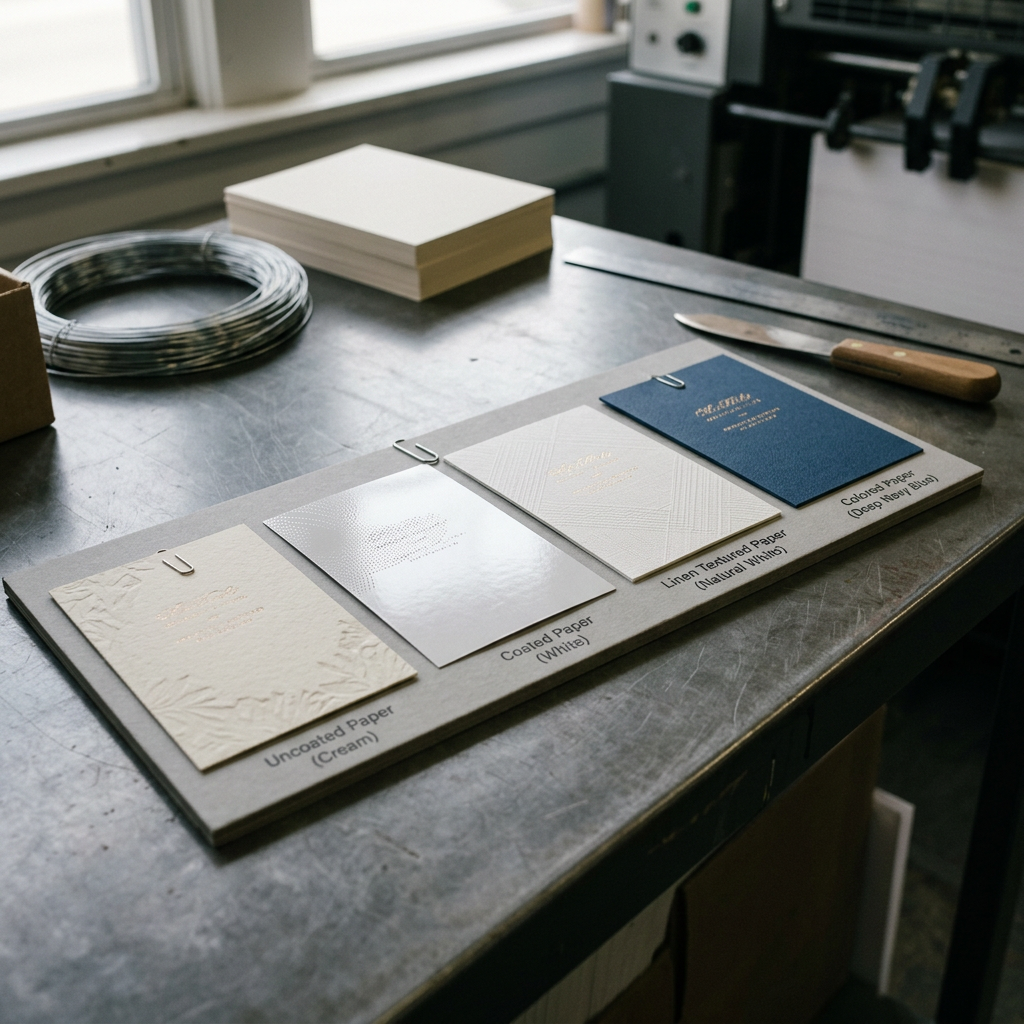
Paper stock is the material selected for the invitation body or insert. It affects stiffness, color reproduction, writing performance, folding behavior, perceived quality, and postage weight. The best choice balances the visual style with the practical demands of mailing and assembly.
Common paper options
- Uncoated paper: Offers a natural surface and is generally suitable for text, handwritten notes, and understated event designs. Its texture and absorbency can influence color appearance.
- Coated paper: Has a smoother surface that can support sharp images and strong color contrast. It may be less suitable when guests need to write directly on the printed surface.
- Textured or specialty paper: Adds tactile character through linen, laid, felt, or other patterns. Texture can affect fine text, small details, and the appearance of solid ink areas.
- Recycled or colored stock: Creates a specific visual direction but may change the appearance of printed colors. White ink or adjusted artwork may be considered for dark or colored papers.
- Mounted or rigid construction: Uses layers or a thicker structure for a more substantial invitation. It can require additional trimming, alignment, and protective packaging.
Paper weight should be evaluated together with the finished format. A heavy flat card may feel premium but increase mailing weight and package volume. A folded invitation needs enough flexibility for clean creasing, while a pocket or multi-piece set needs sufficient strength to resist handling.
Ask for a physical sample when paper texture, stiffness, color, or folding quality is important. Digital images cannot fully show tactile properties or the difference between stock options.
Finishes and special effects
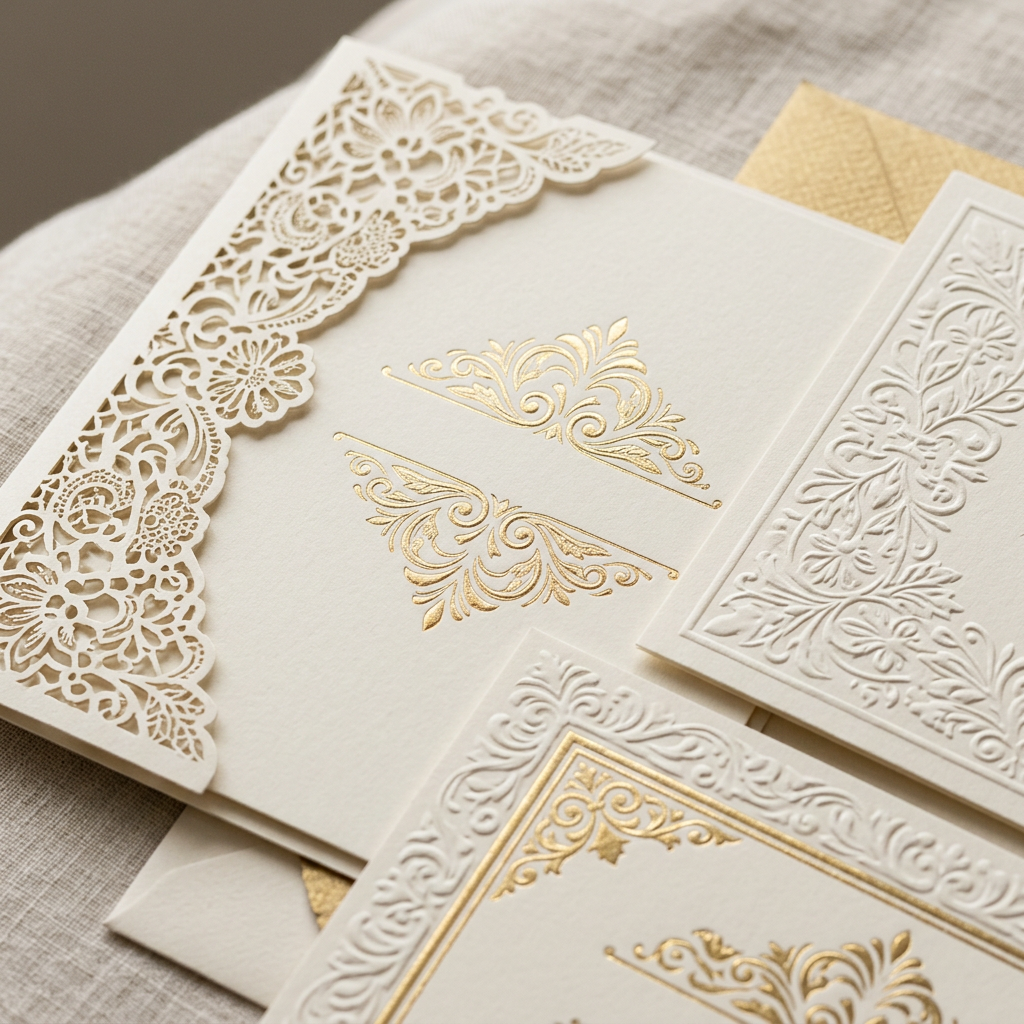
A finish is a surface treatment or decorative production process applied after or alongside printing. Finishes can emphasize names, dates, logos, borders, or selected design elements, but they also add production steps and may affect the total cost and schedule.
Popular invitation finishes
- Matte or gloss coating: Helps protect the printed surface and changes the visual reflection. Matte surfaces reduce shine, while gloss can make colors appear more vivid.
- Soft-touch coating: Creates a smooth, velvety tactile effect. It should be assessed on the selected paper because the final feel depends on the substrate and coating combination.
- Foil stamping: Transfers metallic or specialty foil to selected areas using a dedicated stamping process. It is often used for names, monograms, borders, or accents.
- Embossing and debossing: Creates a raised or recessed relief in the paper. Fine lines and small lettering may need design review to maintain clarity.
- Laser cutting: Removes selected areas to create openwork or intricate patterns. The cut design must be checked for strength, especially around narrow bridges and small details.
- Spot effects: Apply a treatment only to specific artwork areas. Registration between printing and finishing should be reviewed during proofing.
Finishes should support the invitation’s purpose rather than overcrowd the design. Combining several effects can create a distinctive result, but it also increases coordination requirements. Confirm whether the finish is applied to the front, back, edges, inserts, or envelope, and identify which artwork layer controls each effect.
For a related product example, review these custom gold printing wedding invitations when evaluating metallic accents and formal presentation styles.
Size, artwork, and insert specifications
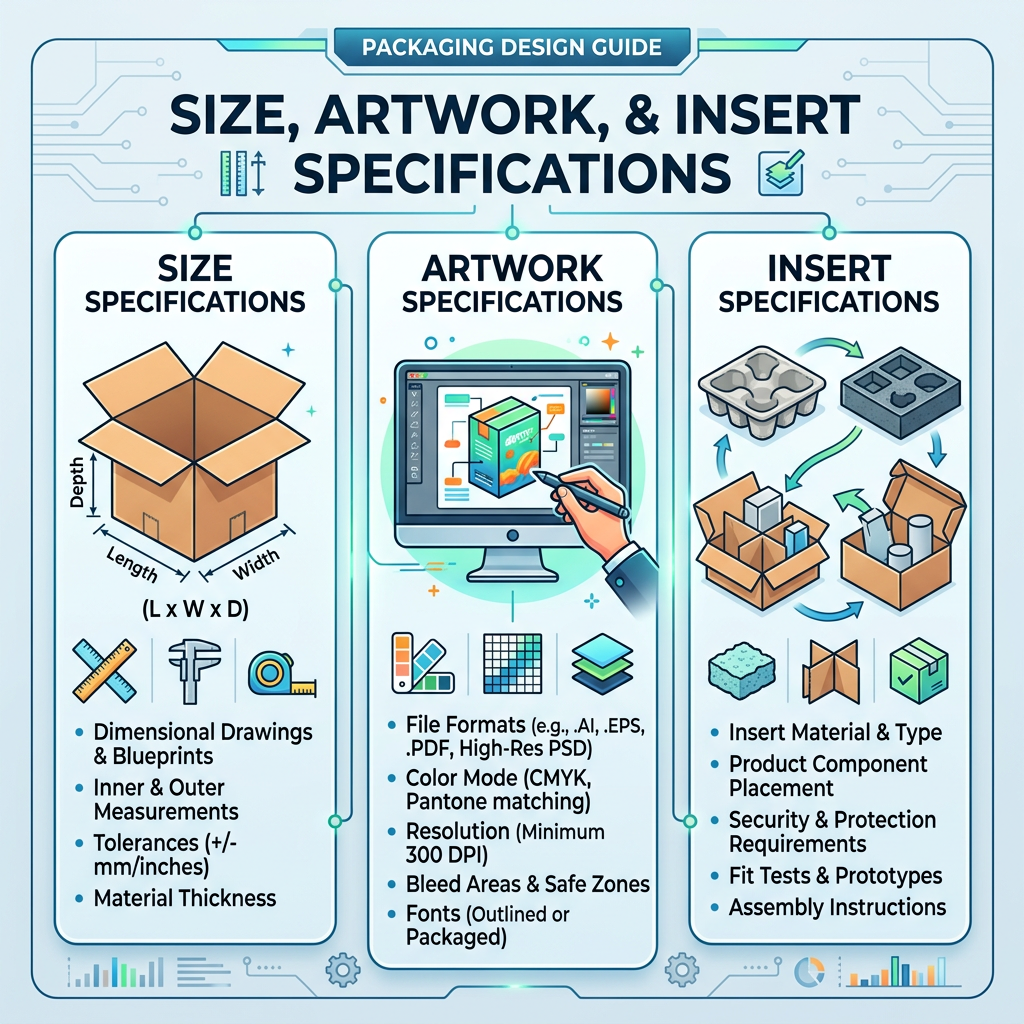
Before requesting a quotation, prepare a specification sheet covering every printed component. State whether each item is flat or folded, give the finished size and open size where relevant, and identify the required quantity for each component.
Artwork information to confirm
- Final trim size, fold lines, and bleed
- Safe areas for text, logos, and important details
- Color mode and intended color references
- Image resolution and font treatment
- Separate layers for foil, embossing, debossing, white ink, or cutting
- Front, back, insert, envelope, and packaging artwork
Bleed is extra artwork extending beyond the trim edge so that small cutting variation does not leave an unwanted white border. The safe area is the zone kept away from the trim and fold lines to protect important content. Exact file requirements should be confirmed with the manufacturer before final artwork delivery.
Invitation sets also require assembly planning. Check that inserts fit the envelope without excessive movement, that folded cards do not crack at the crease, and that any belly band or pocket accommodates the complete set. If envelopes are supplied, specify their size, paper, printing, flap style, and whether adhesive closure is required.
For a practical file checklist, use the guide to custom card printing artwork requirements.
Sampling, production, and quality control

A proof checks the digital layout, while a physical sample evaluates the actual paper, color impression, finish, folding, cutting, and assembly. Buyers should decide which type is needed based on the project risk and the complexity of the specification.
A practical production sequence is:
- Artwork review: The manufacturer checks dimensions, bleed, fonts, image quality, finishing layers, and potential production issues.
- Quotation and specification confirmation: The buyer confirms materials, quantities, packaging, destination, and other commercial details.
- Proof or sample approval: The approved reference is used to align production expectations.
- Material preparation: Paper, envelopes, foils, coatings, and other components are prepared according to the confirmed specification.
- Bulk printing and finishing: Cards are printed, cut, folded, assembled, and finished as required.
- Quality control: Checks may cover color consistency, dimensions, cutting, creasing, foil placement, surface defects, counting, and packing condition.
- Export packing and shipment: Finished goods are protected and prepared for the selected shipping method.
YBJ Cards Printing supports artwork review, sampling, bulk production, seven-stage quality control, export packing, and worldwide shipping. Quality expectations should still be documented clearly, especially for color tolerance, special effects, component counts, and acceptable cosmetic variation.
Read more about the difference between a custom card printing sample and proof before approving production.
Mail-ready packaging and international shipping
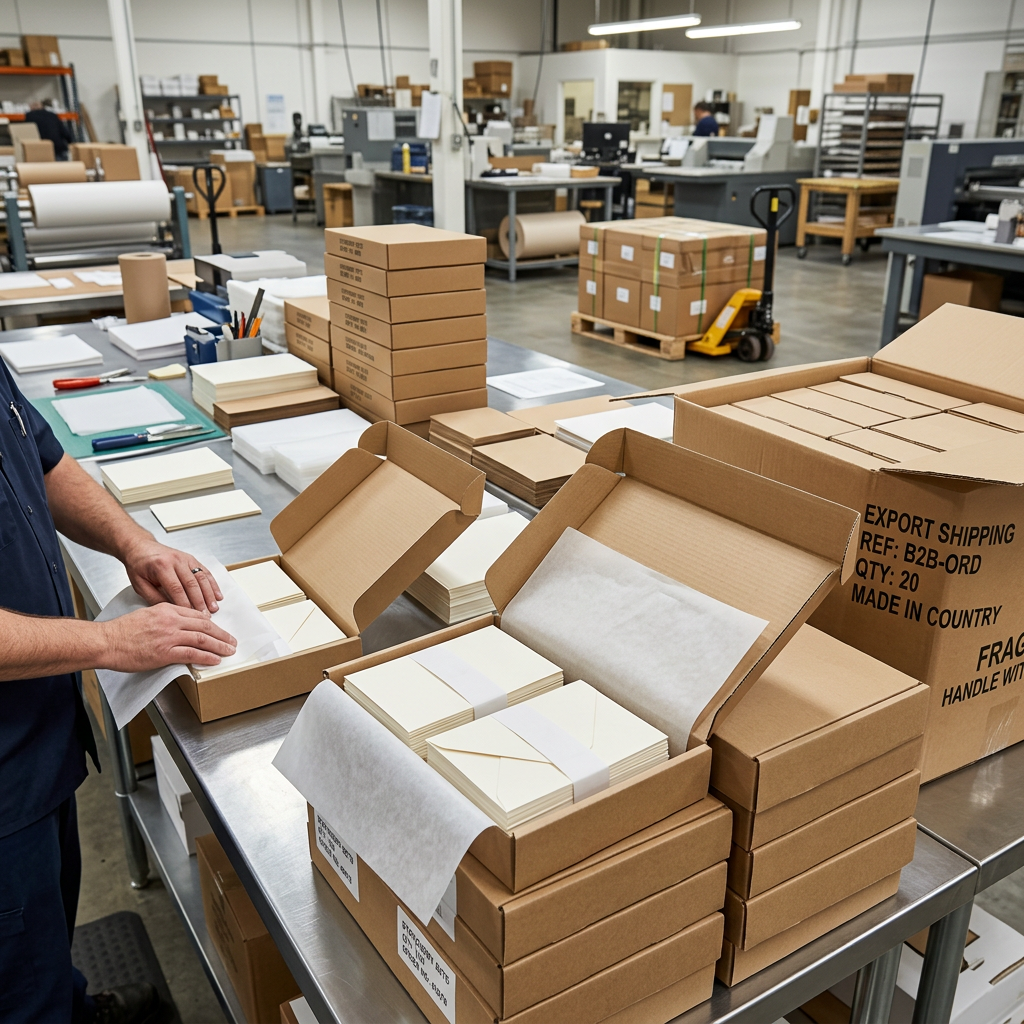
Mail-ready packaging means the invitation set is protected, counted, and organized for handling, storage, and final distribution. Packaging should be planned together with the card design because thick finishes, rigid structures, envelopes, and inserts can change the final dimensions and shipping volume.
Packaging points for buyers
- Define whether cards are packed individually, in sets, or in bulk cartons.
- Separate delicate finished surfaces when rubbing could cause marks.
- Use suitable inner protection for foil, laser-cut edges, coated surfaces, or rigid cards.
- Confirm carton quantities, carton dimensions, gross weight, and labeling requirements.
- Protect corners and prevent movement during international transport.
- State whether envelopes and inserts should be nested, assembled, or packed separately.
For direct mailing, the buyer should verify the final assembled dimensions and weight with the destination postal service or logistics provider. A manufacturer can prepare export packing, but local postage rules, address standards, and delivery requirements vary by market.
MOQ, price, production time, and shipping time depend on the card format, paper, finishing, quantity, packaging method, and destination. Requesting a quotation with these details reduces the risk of an incomplete comparison between suppliers.
For order planning, see the guide to card printing MOQ and first-order planning.
Conclusion: planning reliable custom invitation card printing
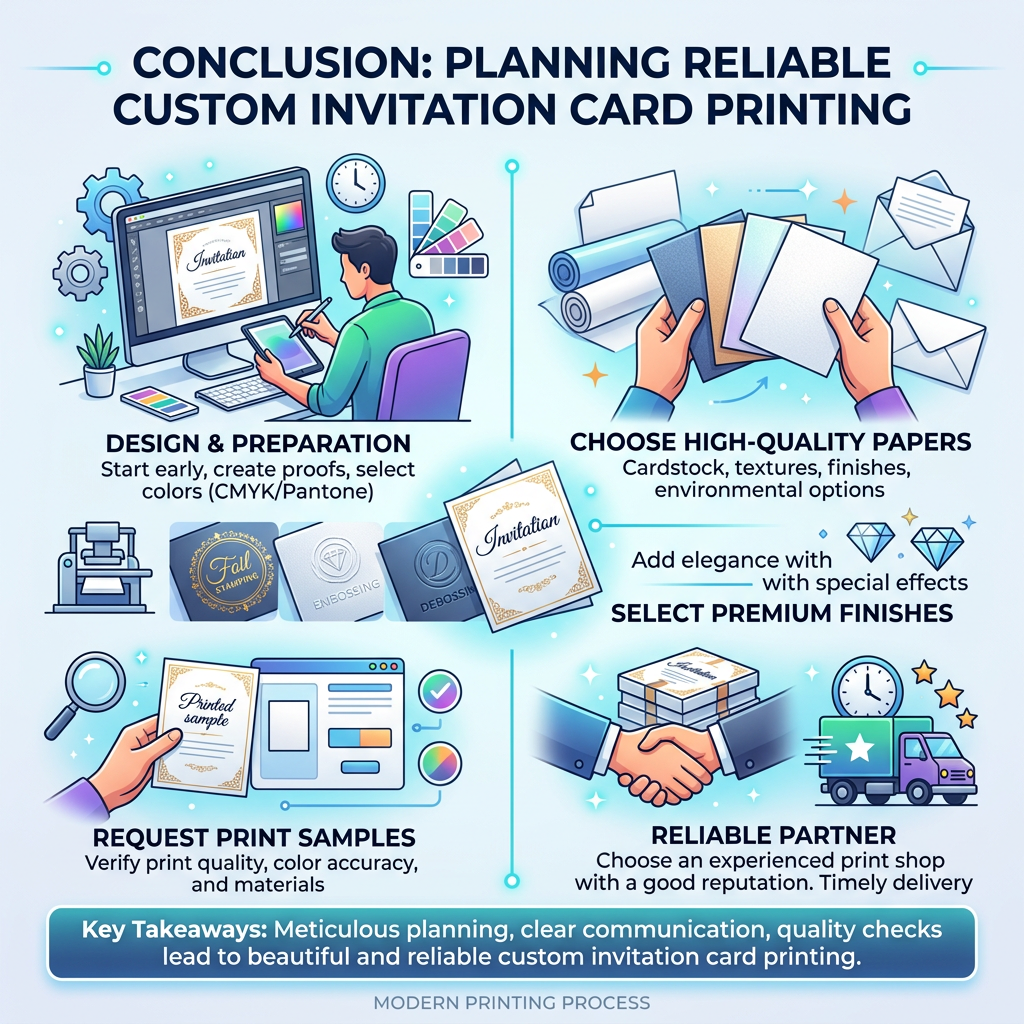
Successful custom invitation card printing starts with a complete specification rather than a design file alone. Select paper according to the desired feel, writing needs, folding method, and mailing constraints. Choose finishes that support the event identity, then confirm artwork layers and physical feasibility through a proof or sample.
Before production, document the card size, components, paper, printing, finishes, quantity, MOQ, packaging, destination, and quality expectations. This gives the manufacturer a clear basis for artwork review, quotation, sampling, bulk production, quality control, export packing, and shipping. Specifications, MOQ, price, and lead time remain dependent on the individual project.
Request a tailored invitation card recommendation
Share your card type, finished size, material, quantity, finish, envelope or insert details, and packaging requirements with YBJ Cards Printing. Our team can review the artwork and recommend a practical production solution and quotation for your event project.
Tags
Keep Reading
Related Articles
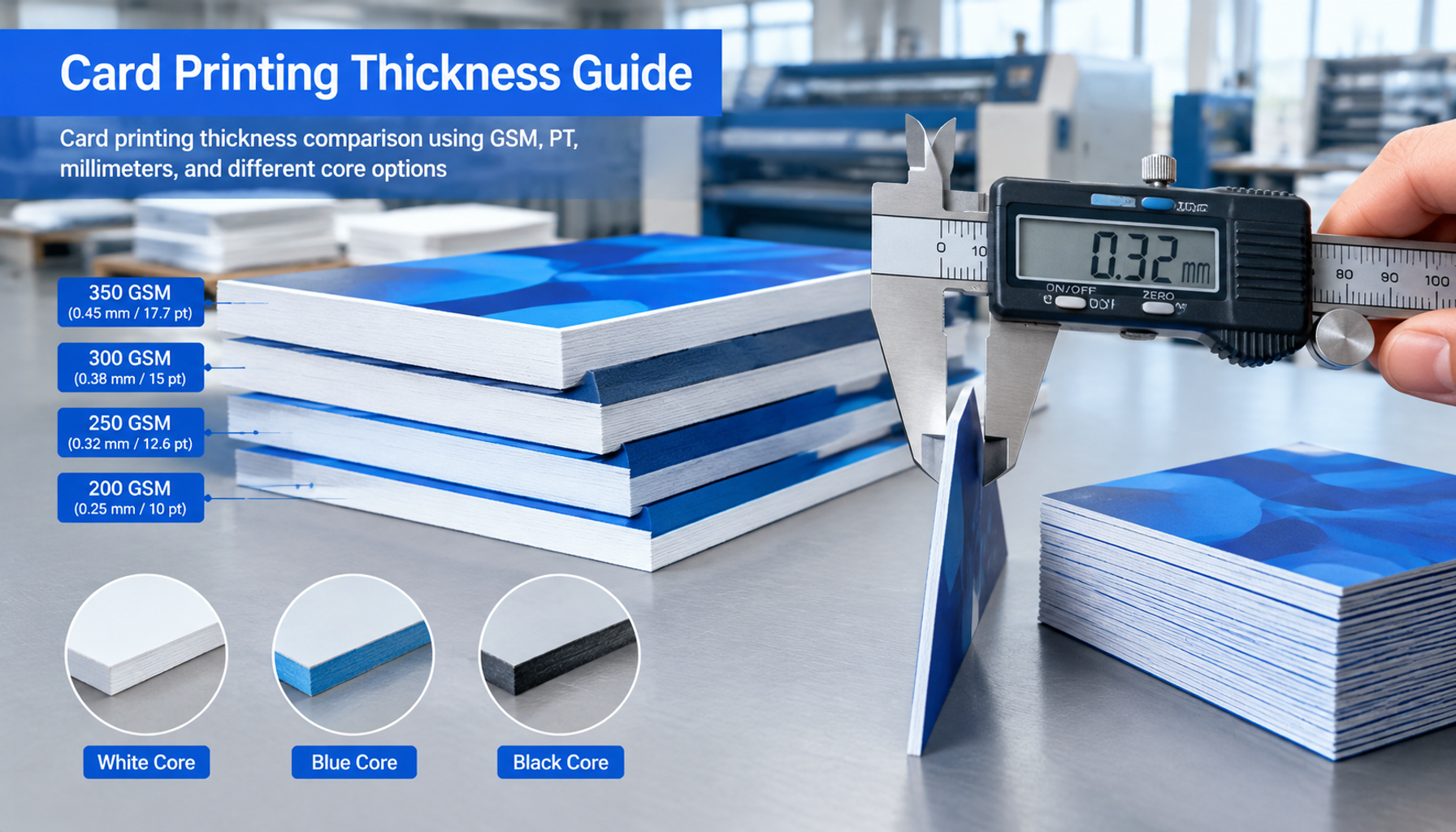
Card Printing Thickness: GSM, PT, and Core Selection Guide
A practical B2B guide to comparing GSM, PT, millimeters, paperboard cores, and plastic constructions when specifying custom cards.
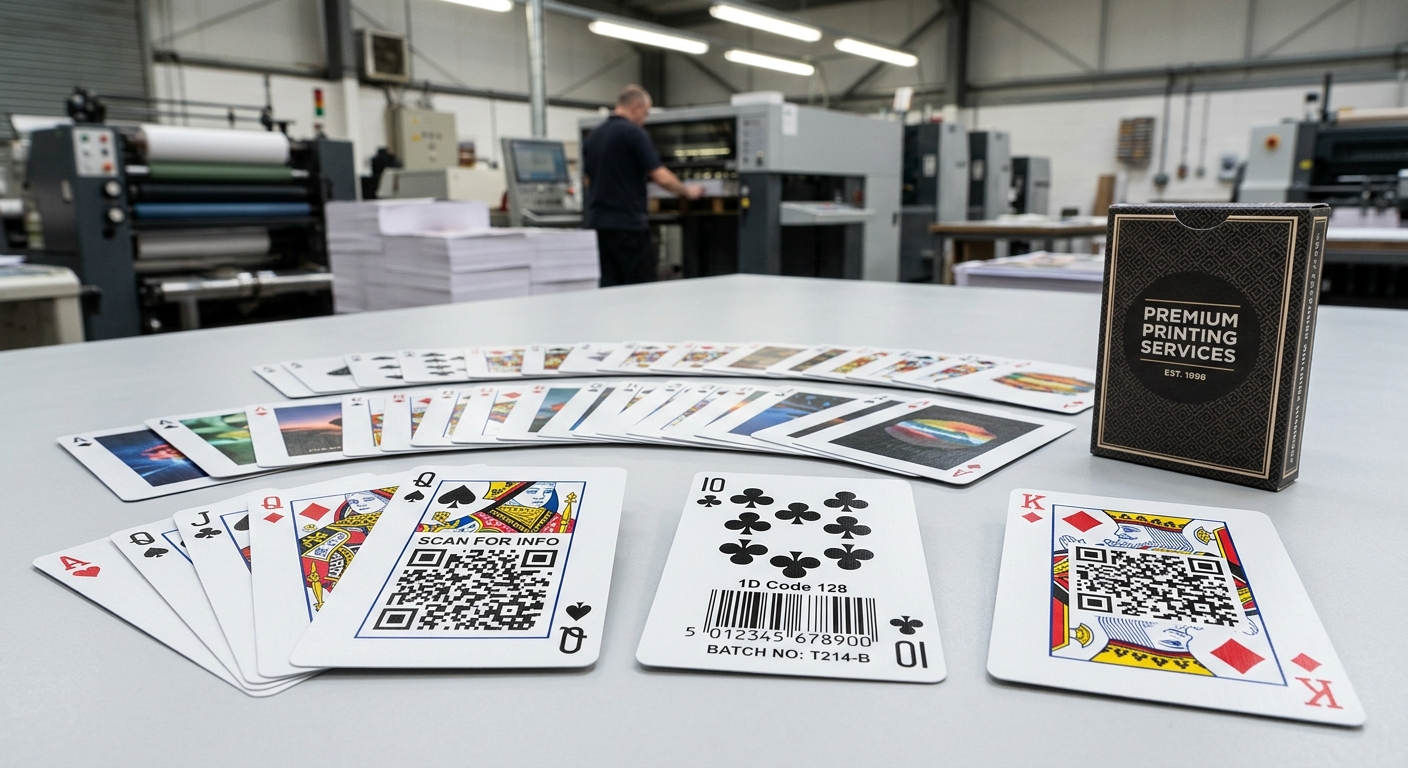
How to Print Custom Cards with QR Codes and Barcodes in a Deck
Printing scannable codes on a custom card deck requires coordination between code generation, database management, artwork preparation, print production, finishing, and scan testing. This practical guide explains how B2B buyers can prepare reliable QR codes and barcodes for static or variable-data card decks.
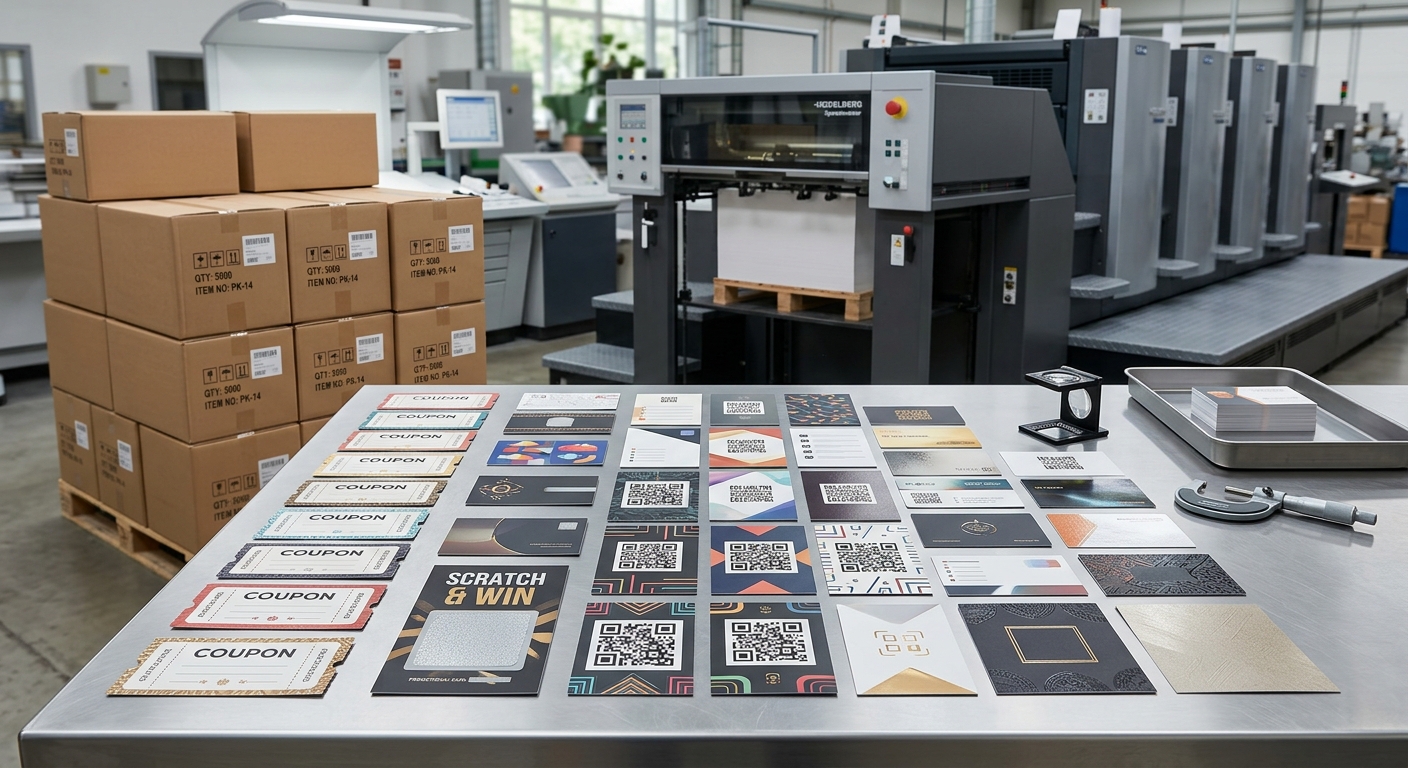
Custom Promotional Card Printing for Marketing Campaigns: Formats and Production Tips
Custom promotional card printing helps brands deliver compact, measurable marketing materials for launches, retail promotions, events, loyalty programs, and direct-mail campaigns. The best result depends on matching the card format, material, finish, artwork, quantity, and packaging to the campaign objective.
Fast Quote Support
Ready to Start Your Custom Card Project?
Send us your product type, size, material, quantity, and packaging requirements. Our team will reply within 24 hours with production suggestions, sampling options, and a competitive quote. No setup fees.