
Custom Card Packaging
Custom Card Packaging: Tuck Boxes, Rigid Boxes, and Magnetic Cases Compared
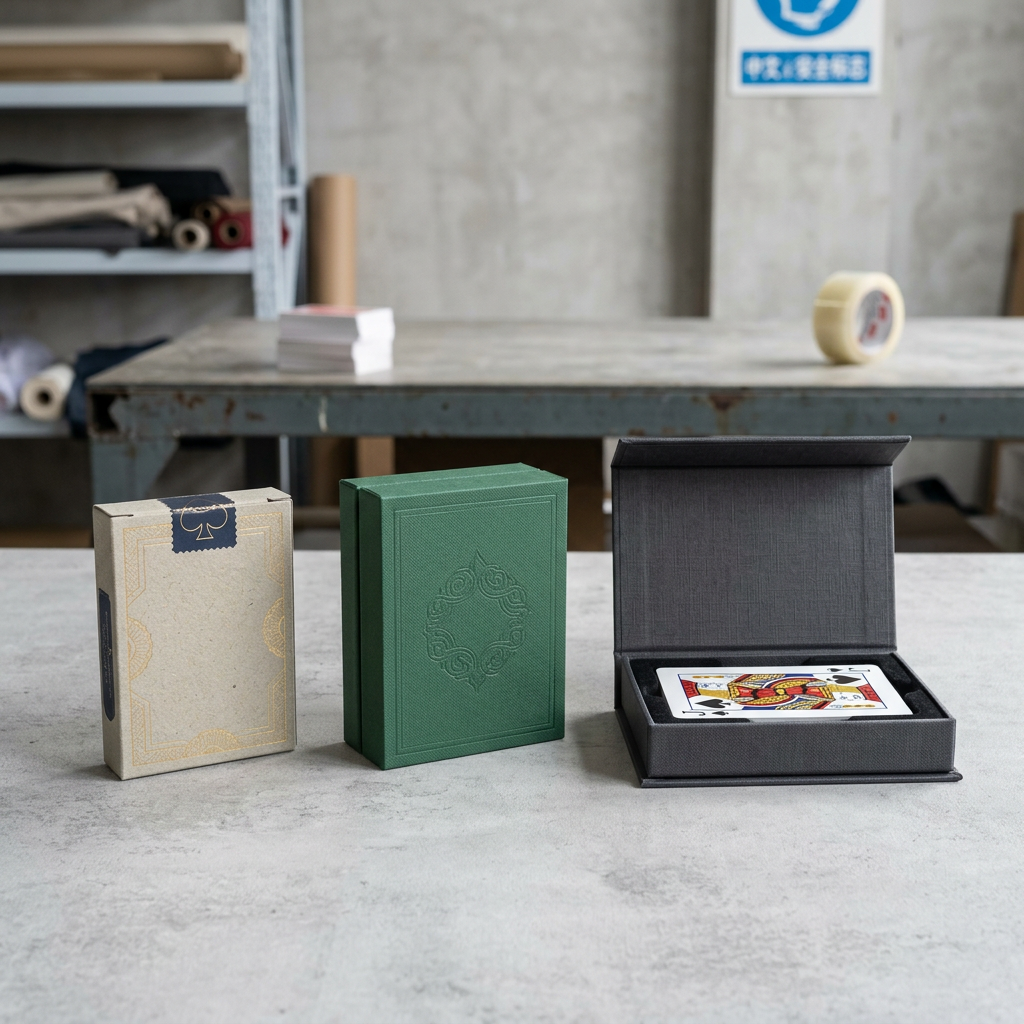
Table of Contents
- What Is Custom Card Packaging?
- Tuck Boxes: Efficient and Practical
- Rigid Boxes: Structure and Shelf Presence
- Magnetic Cases: Premium Presentation
- How to Choose the Right Packaging Format
- Specifications, Sampling, and Production
- Quality Control, Packing, and International Shipping
- Conclusion: Match Custom Card Packaging to the Product
The right custom card packaging depends on your product position, protection requirements, budget, order quantity, and shipping plan. Tuck boxes are efficient and cost-conscious, rigid boxes provide stronger structure and shelf impact, while magnetic cases create a premium unboxing experience. This guide compares each format and explains how to choose, sample, manufacture, inspect, and ship it.
What Is Custom Card Packaging?
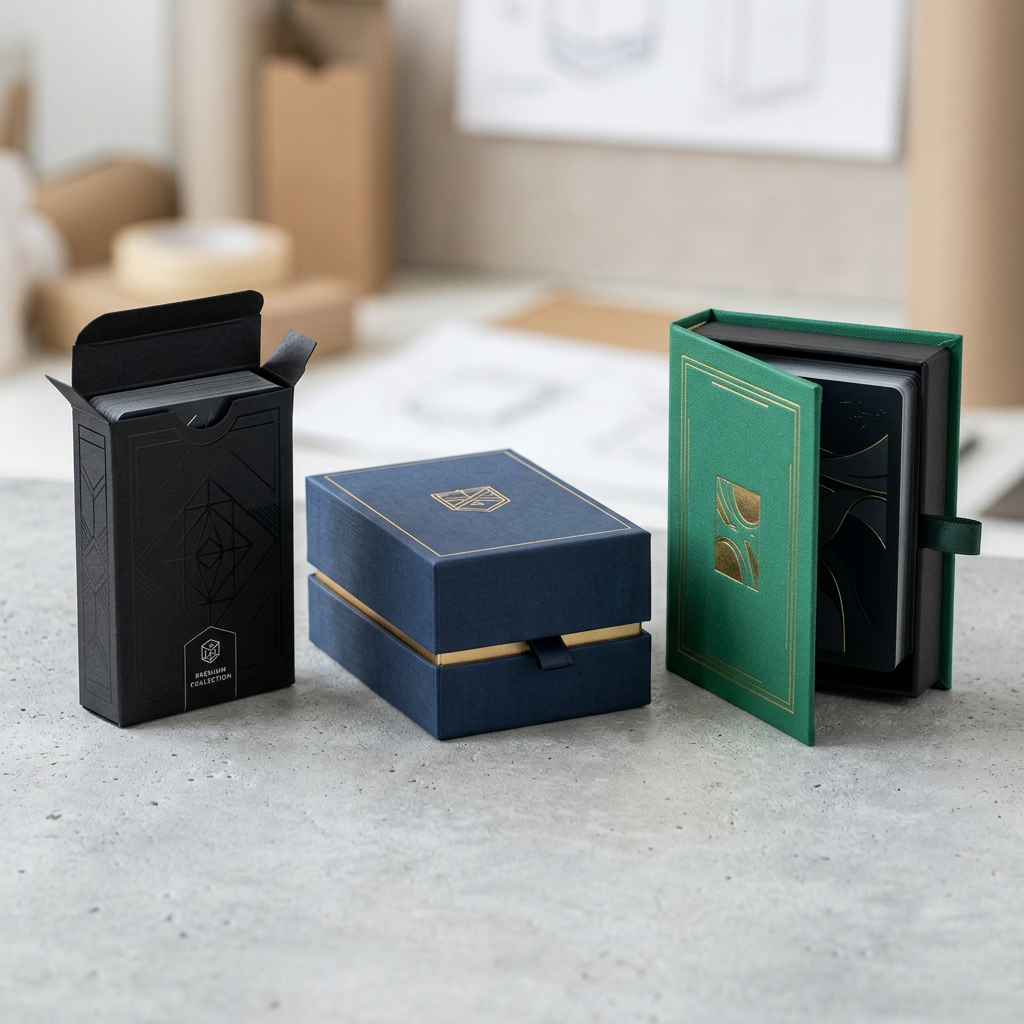
Custom card packaging is packaging designed around a specific card deck, card game, collectible set, or promotional card product. It can include the outer box, internal tray, divider, insert, seal, sleeve, and export protection. The packaging format affects product protection, perceived value, storage, assembly, shipping volume, and total landed cost.
For most B2B buyers, the choice is between a folding tuck box, a rigid two-piece or drawer-style box, and a magnetic closure case. Tuck boxes usually prioritize efficient production and compact shipping. Rigid boxes add strength and a more substantial retail presentation. Magnetic cases are generally selected when the unboxing experience and premium positioning justify additional material, assembly, and logistics considerations.
The best choice is not automatically the most expensive format. It should match the card dimensions, deck thickness, intended sales channel, target price, protection needs, order quantity, and delivery route.
For a broader view of card stock, finishes, and packaging coordination, see this custom playing card printing materials and packaging guide.
Tuck Boxes: Efficient and Practical
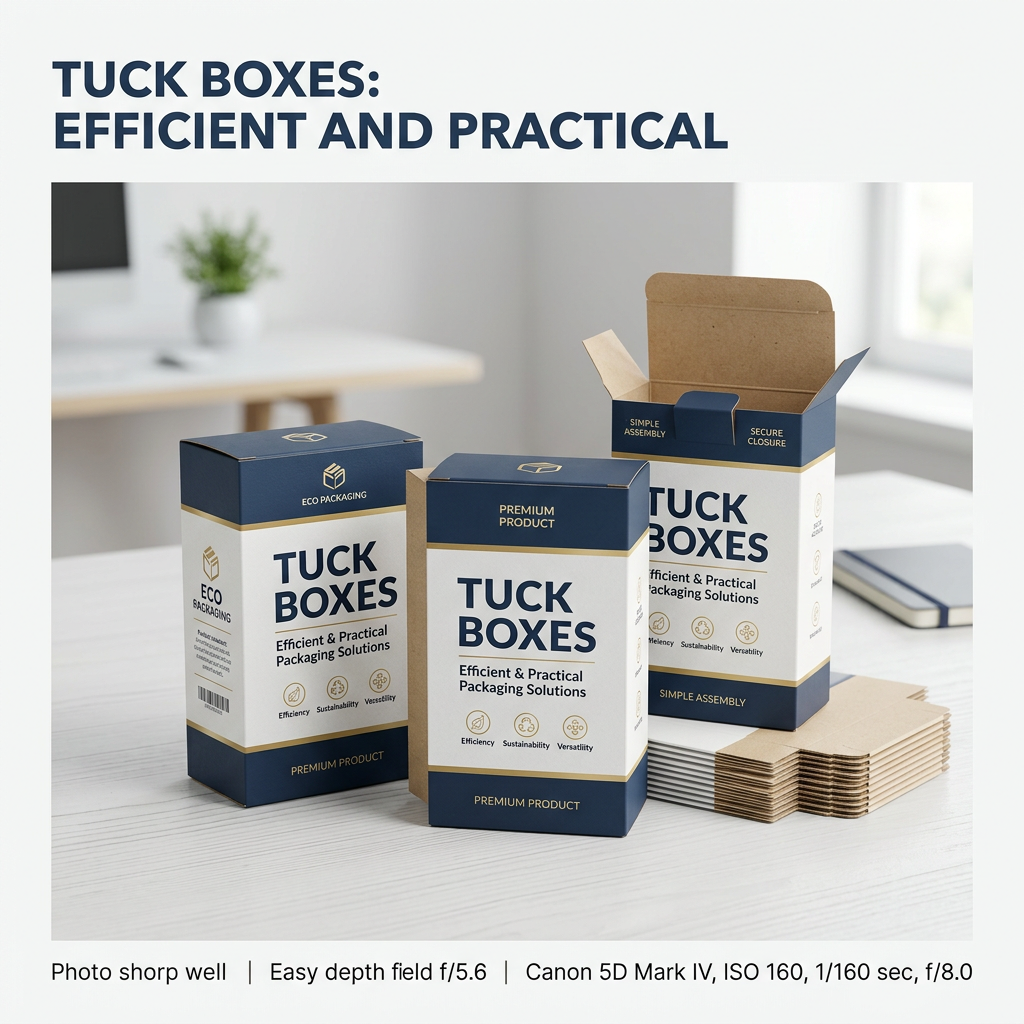
A tuck box is a folding carton made from printed paperboard. The top or bottom flap folds into the carton, creating a compact enclosure for the deck. It is widely used for playing cards, educational cards, small card games, promotional decks, and products that need efficient retail packaging.
Advantages
- Compact construction can reduce material use and shipping volume.
- Large printable panels provide space for branding, instructions, product information, and barcode placement.
- Flat production and folding can support efficient bulk manufacturing.
- The format is suitable for a wide range of standard and custom deck sizes.
Trade-offs
A tuck box normally provides less compression resistance and corner protection than a rigid box. Repeated opening can also wear the flap if the board, coating, or dimensions are not selected carefully. Internal fit is important: an overly tight box may damage cards during insertion, while an overly loose box can allow movement during transport.
Typical decisions include paperboard thickness, folding direction, flap construction, matte or gloss coating, soft-touch coating, spot effects, foil, embossing, and whether to add a paper insert or shrink wrap. Actual material and finish availability should be confirmed against the artwork, quantity, and intended use.
Rigid Boxes: Structure and Shelf Presence
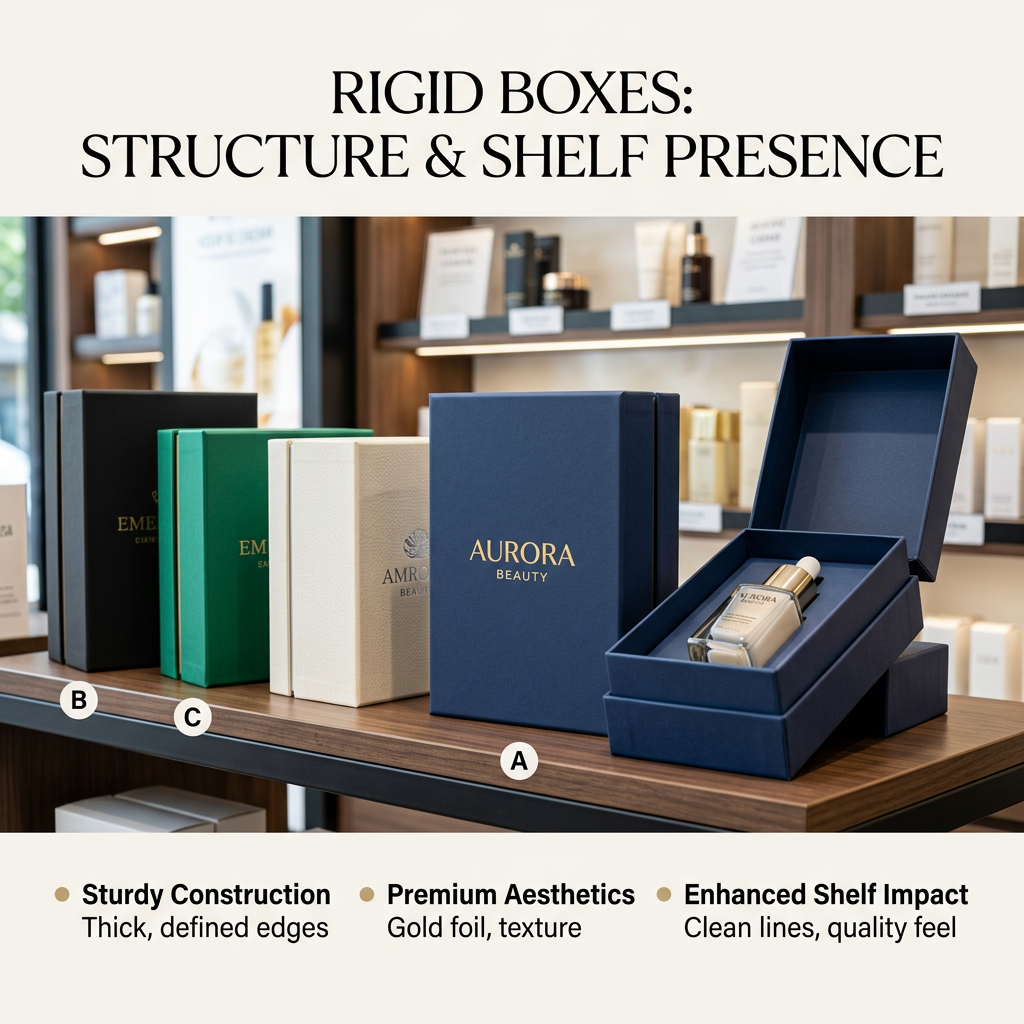
A rigid box is made from thick paperboard that is formed into a permanent structure and wrapped with printed paper or another approved covering material. Common constructions include a lift-off lid and base, a book-style box, and a drawer box with an outer sleeve.
Rigid packaging is suitable for premium card games, collector decks, gift products, and sets that require stronger stacking performance or a more substantial retail appearance. The box can also be designed with an internal tray, compartment, foam, paperboard support, or fitted insert to keep multiple decks and accessories organized.
Advantages
- Stronger walls can provide improved protection against compression and handling.
- The substantial construction may support premium positioning and gift presentation.
- Internal compartments can separate decks, tokens, guides, and accessories.
- Large panels can support printed wraps, foil details, embossing, and other decorative treatments.
Trade-offs
Rigid boxes generally require more material, more forming or hand-assembly work, and more storage space than folding cartons. Their larger packed volume may influence export packing and freight calculations. A rigid format may also be unnecessary for a lightweight deck sold at a price point where packaging cost and shipping efficiency are the primary concerns.
When specifying a rigid box, define the internal dimensions rather than relying only on external measurements. Include the number of decks, accessory locations, clearance, insert material, lid fit, and acceptable movement inside the box.
Magnetic Cases: Premium Presentation
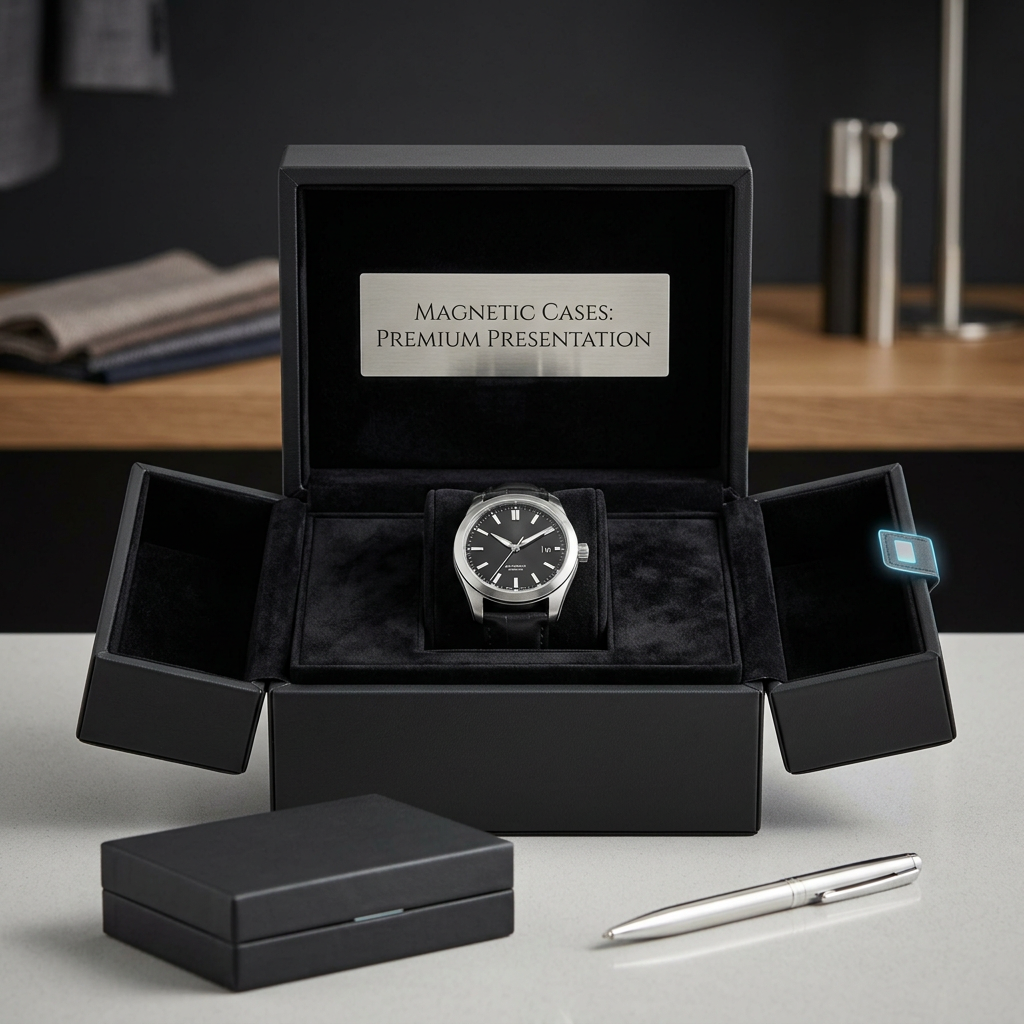
A magnetic case is a structured box that closes with embedded magnets, usually in a book-style or flap-style configuration. The closure keeps the package shut while creating a deliberate opening sequence. Magnetic cases are often considered for collector products, premium gift sets, limited editions, and card products where presentation is a major part of the buying experience.
Advantages
- The opening action can make the product feel more premium and memorable.
- A structured exterior can protect the contents and support repeated storage.
- Interior panels and trays can organize several decks or accessories.
- The surface can be customized with printed wraps, foil, embossing, debossing, or other approved finishes.
Trade-offs
Magnetic cases are usually more complex than tuck boxes because they require precise construction, magnet placement, closure alignment, and assembly. Magnets and additional structure can affect packing, storage, transport handling, and applicable shipping review. The case may also increase packed dimensions and weight.
Before production, confirm the closure strength, lid alignment, magnet concealment, internal clearance, and appearance of corners and wrapped edges. A physical sample is especially useful because a flat proof cannot fully demonstrate the opening action, fit, rigidity, or finish.
How to Choose the Right Packaging Format
Use the following questions to narrow the format before requesting a quotation:
- What is the product position? Standard retail decks and promotional products often suit tuck boxes. Premium games, collector products, and gift sets may justify rigid or magnetic packaging.
- How much protection is needed? Consider stacking, warehouse handling, retail display, repeated opening, and the number of components inside the package.
- How many units will you order? MOQ, setup, assembly, and material efficiency depend on the project. A format that works for a large launch may not be economical for a small test order.
- How will the product ship? Compare packed dimensions, carton quantity, palletization, and the risk of movement or crushing during international transport.
- What must fit inside? Measure the complete packed contents, including cards, sleeves, tokens, instruction sheets, dividers, and inserts.
- What experience should the buyer have? Tuck boxes emphasize convenience, rigid boxes emphasize structure, and magnetic cases emphasize presentation.
Specifications, MOQ, price, and lead time depend on the project requirements. Ask the manufacturer to quote the complete package, including inserts, assembly, protective wrapping, export cartons, and any special finishing processes.
Specifications, Sampling, and Production
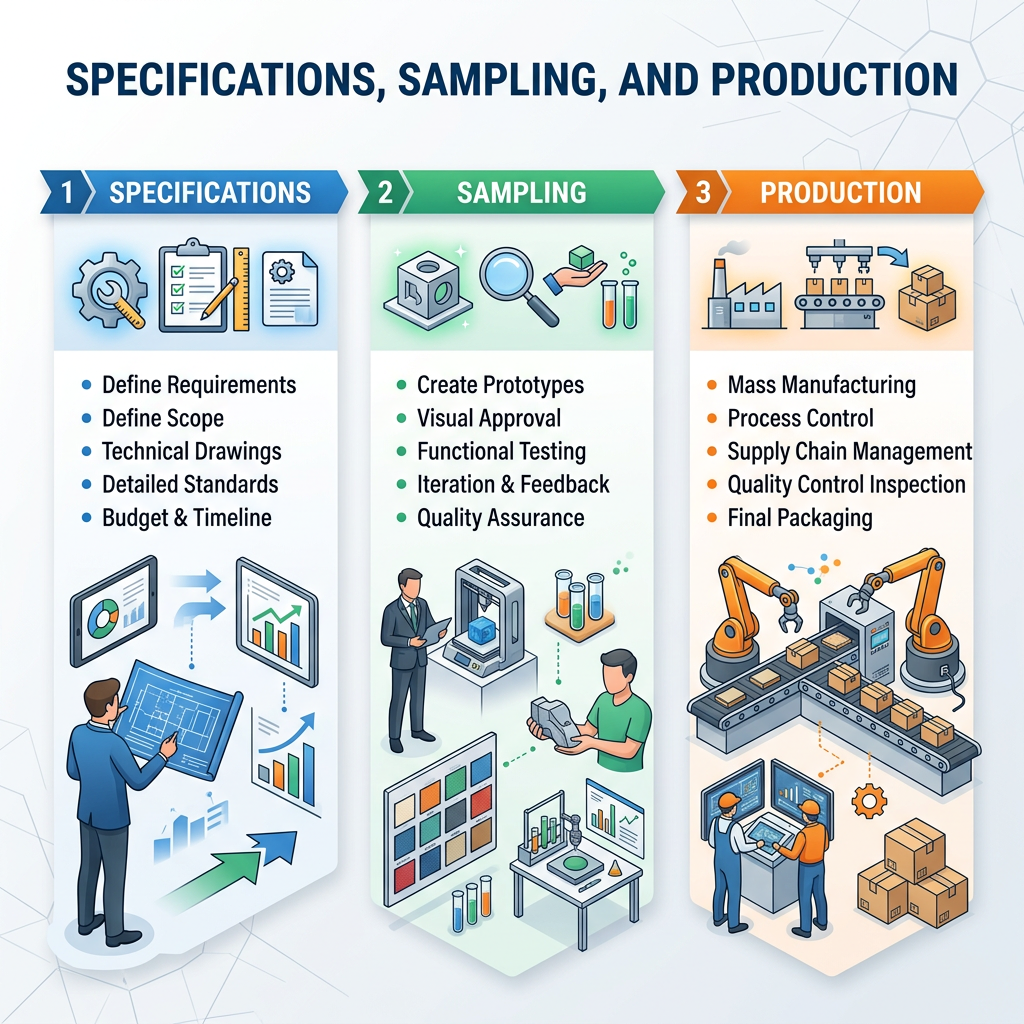
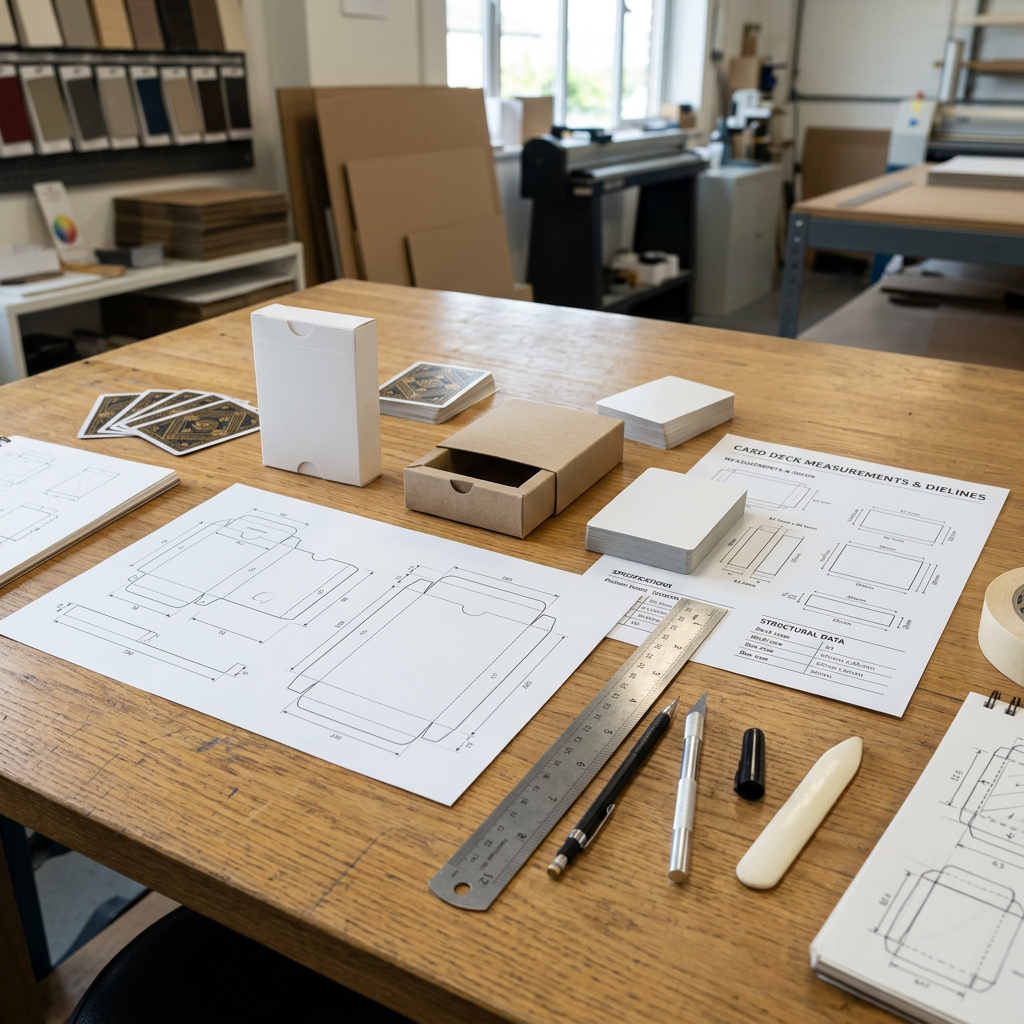
Prepare a packaging specification sheet before requesting a quote. Include the card size, deck count, finished deck thickness, box style, internal dimensions, board or paper requirements, print process, coating, decorative finishes, insert design, closure method, quantity, and packaging method.
Artwork should identify dielines, bleed, trim, safe areas, fold lines, glue areas, and finish locations. The artwork must be checked against the physical construction because a design that looks correct on a flat template may not align after folding, wrapping, or assembly. This card printing artwork requirements guide explains the file details that help reduce avoidable production problems.
For development work, distinguish between a digital proof and a physical sample. A digital proof checks content, layout, and basic color intent. A physical sample checks dimensions, fit, closure, rigidity, surface appearance, assembly, and the relationship between the cards and the packaging. Review the difference in this guide to custom card samples and proofs.
After approval, production typically moves through artwork review, material preparation, printing, coating or finishing, die cutting, folding or rigid forming, assembly, packing, and final inspection. Changes after sample approval should be documented because they may affect fit, cost, or schedule.
Quality Control, Packing, and International Shipping

Packaging quality should be checked as a finished product, not only as printed sheets. Useful inspection points include color and artwork, dimensions, board or paper condition, die-cut accuracy, fold and glue placement, edge quality, surface finish, insert fit, lid or flap alignment, magnetic closure, and visible damage.
For card products, verify that the complete deck enters and exits the package smoothly and that the contents do not shift excessively. Check packed units for scuffing, crushed corners, open flaps, weak glue, uneven wrapping, and inconsistent assembly. Sampling plans and acceptance criteria should be agreed according to the project and buyer requirements.
Export packing should protect the finished packages from abrasion, moisture exposure, compression, and movement. Confirm inner packing, carton strength, carton markings, quantity per carton, gross and net weight, and pallet requirements where applicable. Rigid and magnetic formats often need more attention to corner protection and carton utilization because they occupy more space than folding cartons.
International shipping arrangements depend on destination, shipment size, routing, product configuration, and buyer requirements. A manufacturer with experience in working with a custom card printing manufacturer can help coordinate specifications, quality checks, export packing, and shipping communication.
Conclusion: Match Custom Card Packaging to the Product
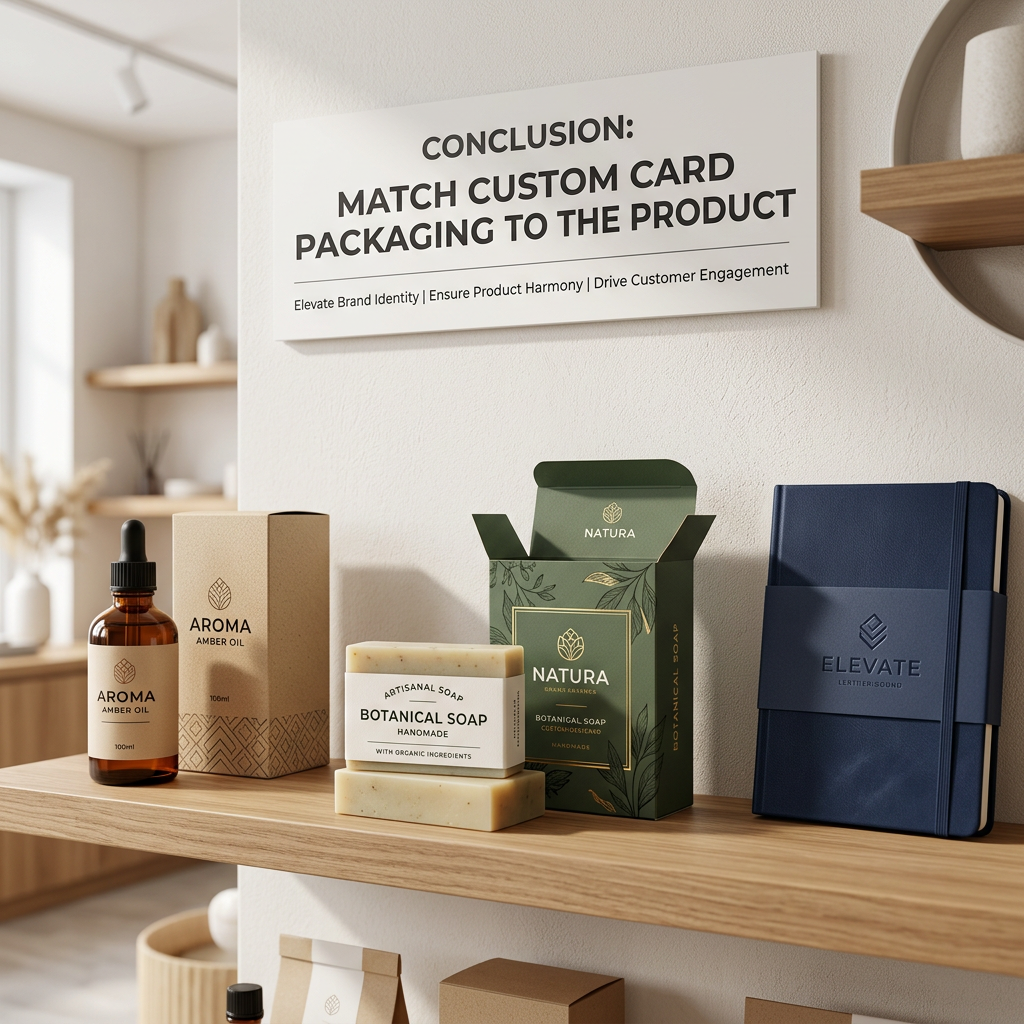
The right custom card packaging format balances presentation, protection, manufacturing complexity, order quantity, and shipping efficiency. Choose a tuck box when compact, practical packaging is the priority. Select a rigid box when stronger structure, organized interiors, and shelf presence are important. Consider a magnetic case when the product is positioned as a premium or collectible item and the opening experience is part of its value.
Before production, confirm complete dimensions, materials, finishes, inserts, closure details, sample approval, inspection points, export packing, and shipping requirements. Because specifications, MOQ, price, and lead time depend on project requirements, a tailored review is more reliable than choosing from a generic packaging list.
Request a Custom Card Packaging Recommendation
Share your card type, finished size, material, quantity, preferred finish, and packaging requirements with YBJ Cards Printing. Our team can review the structure and recommend a practical packaging solution with a tailored quotation.
Tags
Keep Reading
Related Articles

Custom Greeting Card Printing Wholesale: Sizes, Finishes, and Packaging Guide
Custom greeting card printing wholesale requires coordinated decisions about card size, paper stock, folding, finishes, envelopes, packaging, and shipping. This guide helps publishers, retailers, agencies, and gift brands prepare a practical production brief and reduce avoidable sampling or packing issues.
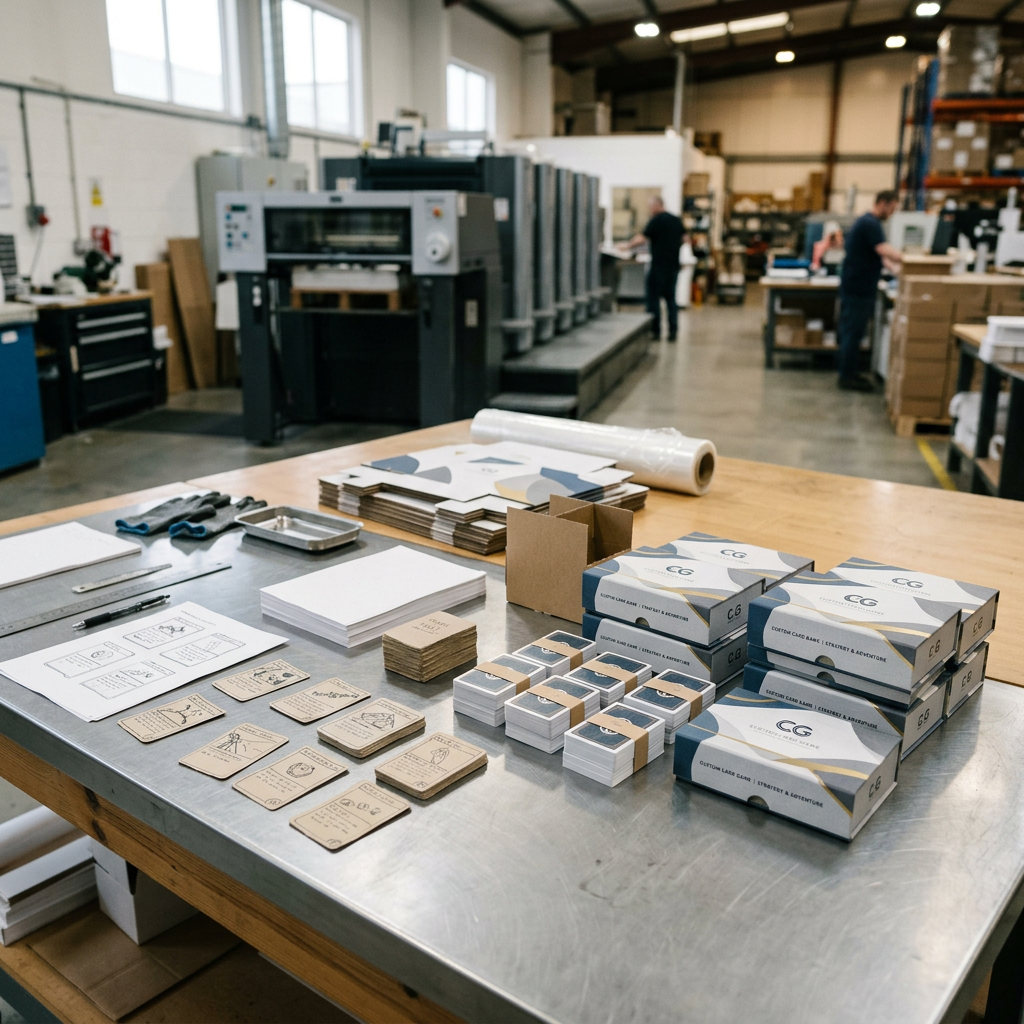
How to Manufacture a Card Game: From Prototype to Bulk Order
Learn how to manufacture a card game by moving through concept development, prototype testing, technical specifications, sampling, bulk production, quality control, packaging, and international shipping.
Fast Quote Support
Ready to Start Your Custom Card Project?
Send us your product type, size, material, quantity, and packaging requirements. Our team will reply within 24 hours with production suggestions, sampling options, and a competitive quote. No setup fees.