
Custom Card Printing
Custom Oracle Card Printing for Wellness Brands: A Practical Production Guide
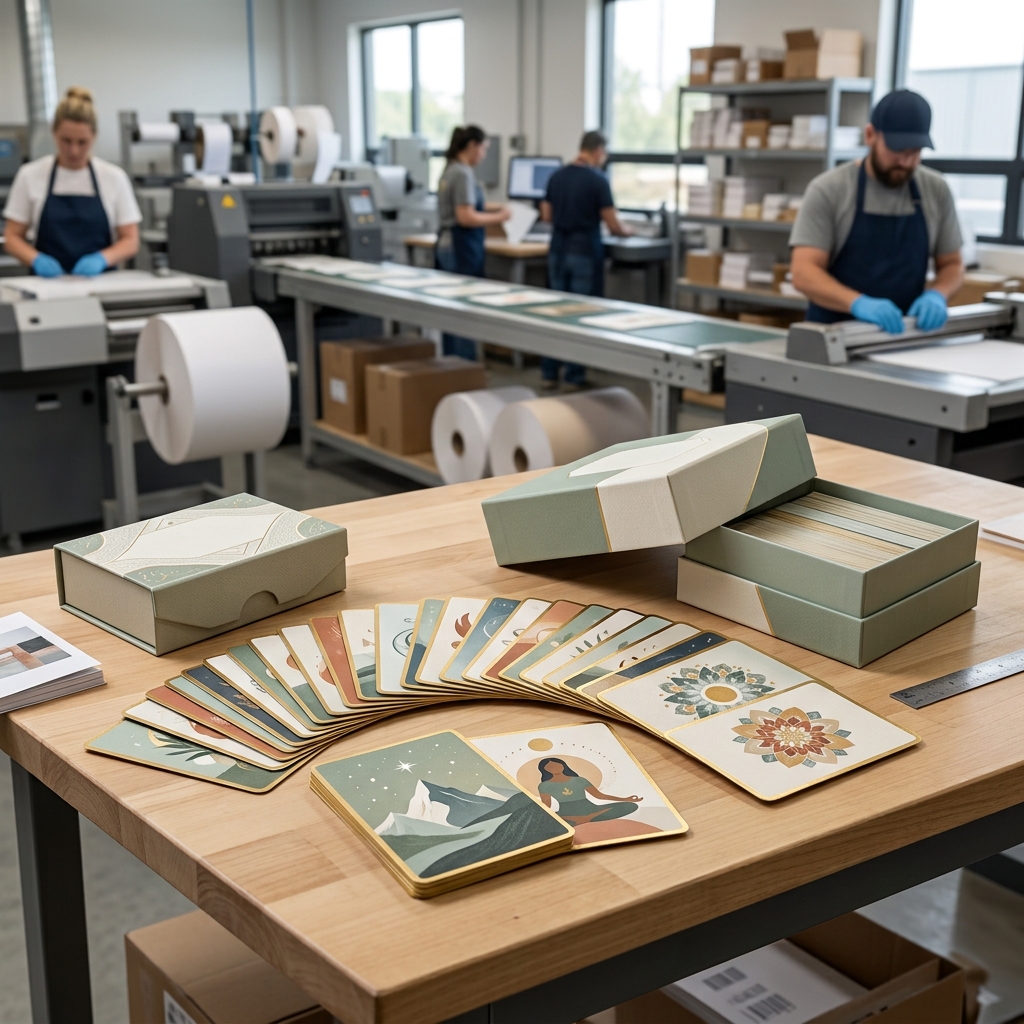
Table of Contents
- What Custom Oracle Card Printing Involves
- Plan the Oracle Deck Specifications
- Choose Card Materials and Finishes
- Prepare Artwork for Production
- Use Sampling Before Bulk Production
- Control Quality, Packaging, and Shipping
- Build a Practical Production Plan
Custom oracle card printing requires more than attractive artwork. Wellness brands must coordinate card dimensions, stock, finishes, packaging, sampling, quality control, and export shipping before approving bulk production. This guide explains the main decisions and production steps for creating a reliable oracle card deck.
What Custom Oracle Card Printing Involves
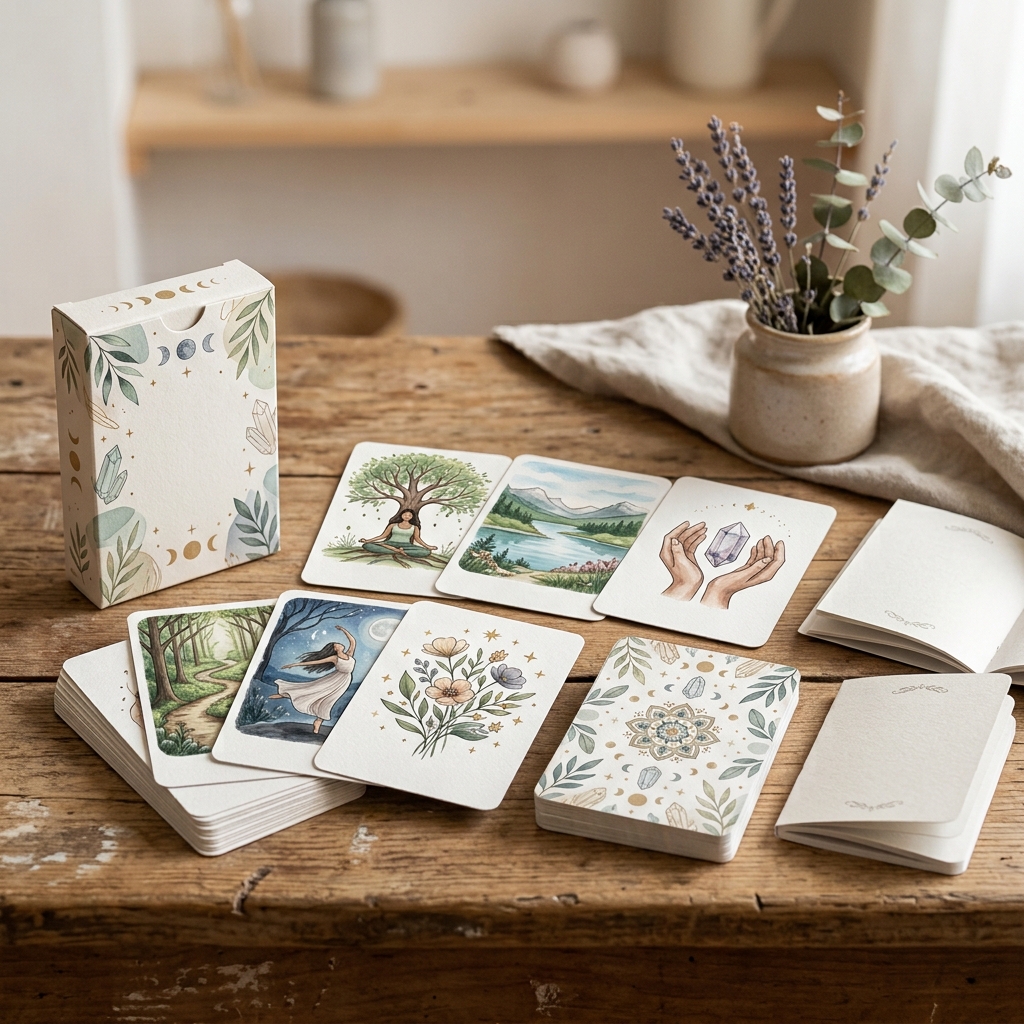
Custom oracle card printing is the process of manufacturing a card deck around a brand’s own artwork, card count, dimensions, materials, finishes, packaging, and delivery requirements. For wellness brands, the printed deck may support meditation, journaling, coaching, self-reflection, spiritual practices, or retail product lines.
The most important production principle is to finalize the physical specification before treating the artwork as finished. Card dimensions affect composition, stock affects handling, finishes affect color and texture, and packaging affects both presentation and shipping protection. A factory should review these elements together rather than quoting only from a collection of image files.
For an overview of related deck formats, see the custom tarot and oracle game card product page. Although oracle decks vary widely in structure, the same manufacturing workflow generally applies: specification review, artwork checking, proofing or sampling, bulk printing, finishing, assembly, inspection, packing, and export shipment.
Plan the Oracle Deck Specifications
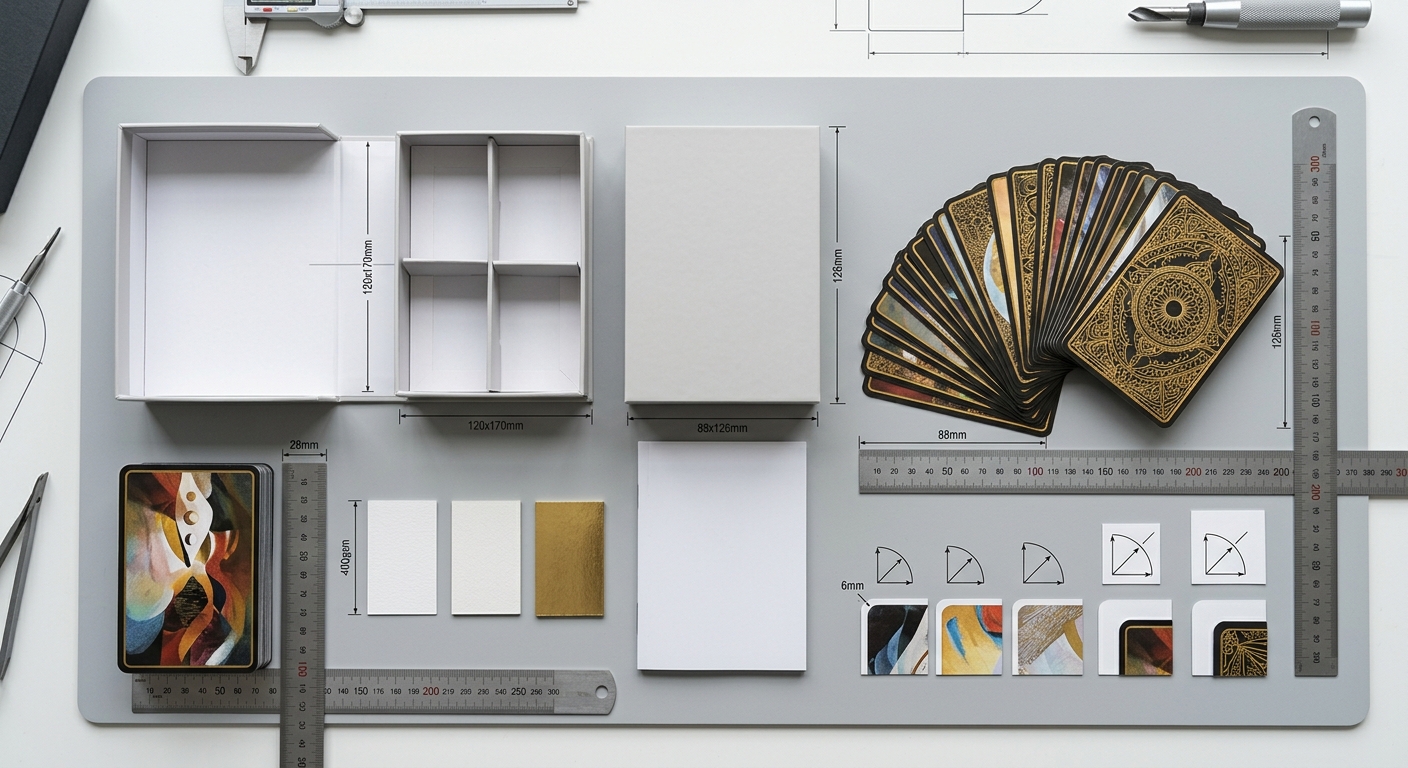
Start with a written specification sheet. This gives the printer a clear basis for artwork review, sampling, quotation, and production planning. Specifications, MOQ, price, and lead time depend on the project requirements, so a complete brief helps reduce revisions and unexpected changes.
Core specifications to confirm
- Card size: Select the finished width and height based on hand comfort, reading distance, artwork composition, and the intended box size. Standard formats may simplify production, while a custom size can better support a distinctive brand concept.
- Card count: State the number of cards in each deck and whether the deck includes a guide card, title card, instruction card, or blank card.
- Printing sides: Confirm whether the cards require full-color printing on both sides, a shared back design, variable fronts, or special inserts.
- Corner treatment: Rounded corners are common for decks handled frequently. The radius should be confirmed with the factory because it affects the cutting process and the visual balance of the artwork.
- Card thickness: Thickness influences flexibility, shuffle feel, durability, deck weight, and the internal dimensions of the box.
- Quantity: Provide the expected order quantity, number of designs, and whether multiple language or regional versions are required.
Wellness brands should also decide how the cards will be used. A deck intended for daily handling may need a more durable stock and protective finish than a limited-edition deck displayed mainly as a gift product. If the cards include long text, check the readable type size and safe margins before approving production.
For a broader specification reference, review this guide to custom tarot card specifications, finishes, and packaging.
Choose Card Materials and Finishes
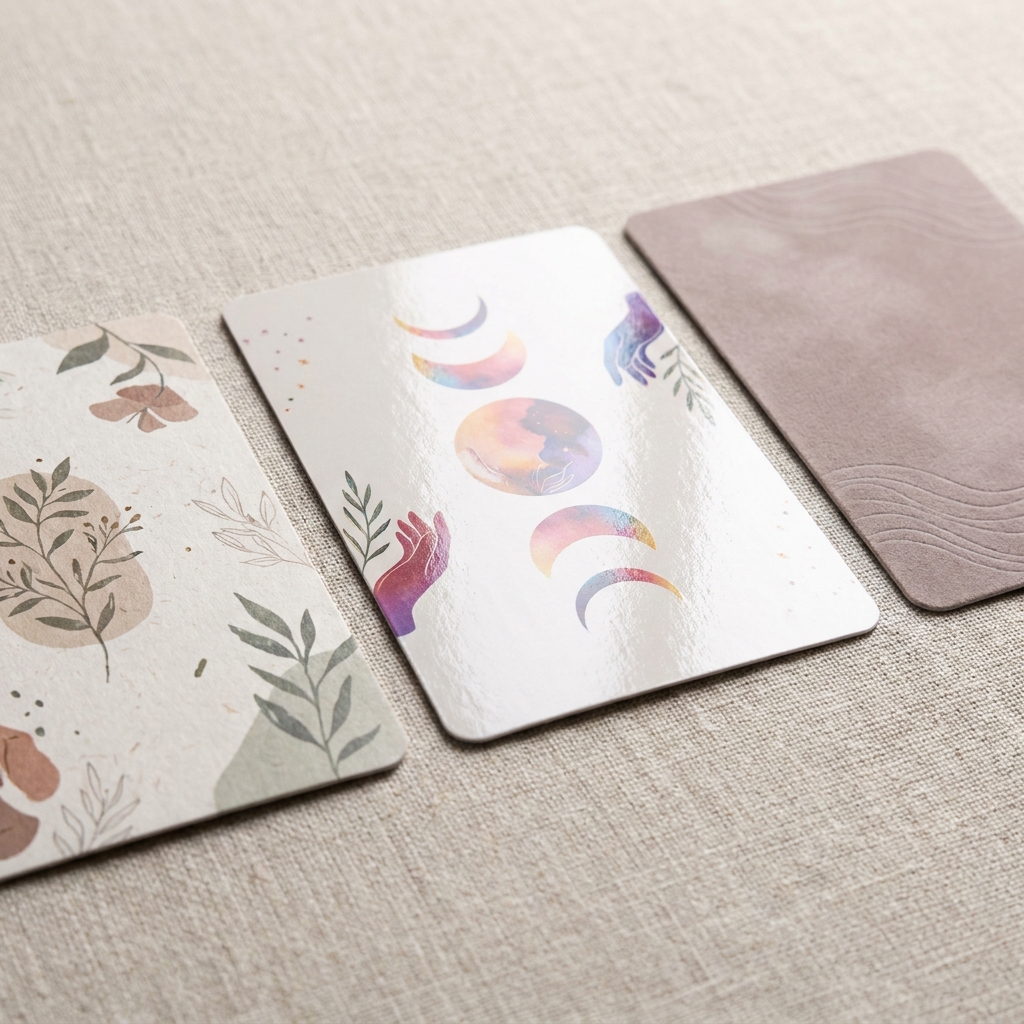
Card stock is the paperboard or other sheet material used to make the cards. Its thickness, stiffness, surface, and coating influence the tactile experience and how well the deck withstands repeated use. The right choice depends on the product position, handling frequency, finish requirements, and packaging design.
Material considerations
- Paperboard: A practical option for many oracle decks. It can provide a balance of print quality, stiffness, cost control, and recyclability considerations, depending on the selected grade and coating.
- Coated stock: Helps produce sharp images and saturated color. A coating may be combined with a separate protective finish, such as varnish or lamination.
- Specialty stock: Textured, colored, or premium papers can support a natural, artistic, or luxury positioning. They may change color reproduction and should be checked with a physical sample.
- Plastic-based stock: May be considered when water resistance or unusual durability is important. It can change the feel, printing method, recycling considerations, and cost structure, so it should be evaluated against the intended use.
Finishes to evaluate
Finishing is the surface treatment applied after printing. Matte finishes reduce shine and can support a calm, understated presentation. Gloss finishes increase visual brightness but may create reflections during reading. Soft-touch finishes create a smoother tactile effect, while spot effects can highlight selected areas such as a logo or symbolic artwork.
Every finish involves trade-offs. A highly textured surface may affect fine text or small details. Strong contrast between a matte background and a glossy feature can increase visual impact but may require more production coordination. Ask for a sample when the tactile result or color appearance is central to the product concept. YBJ Cards Printing can support artwork review, sampling, bulk production, and finishing selection as part of the manufacturing process.
Prepare Artwork for Production
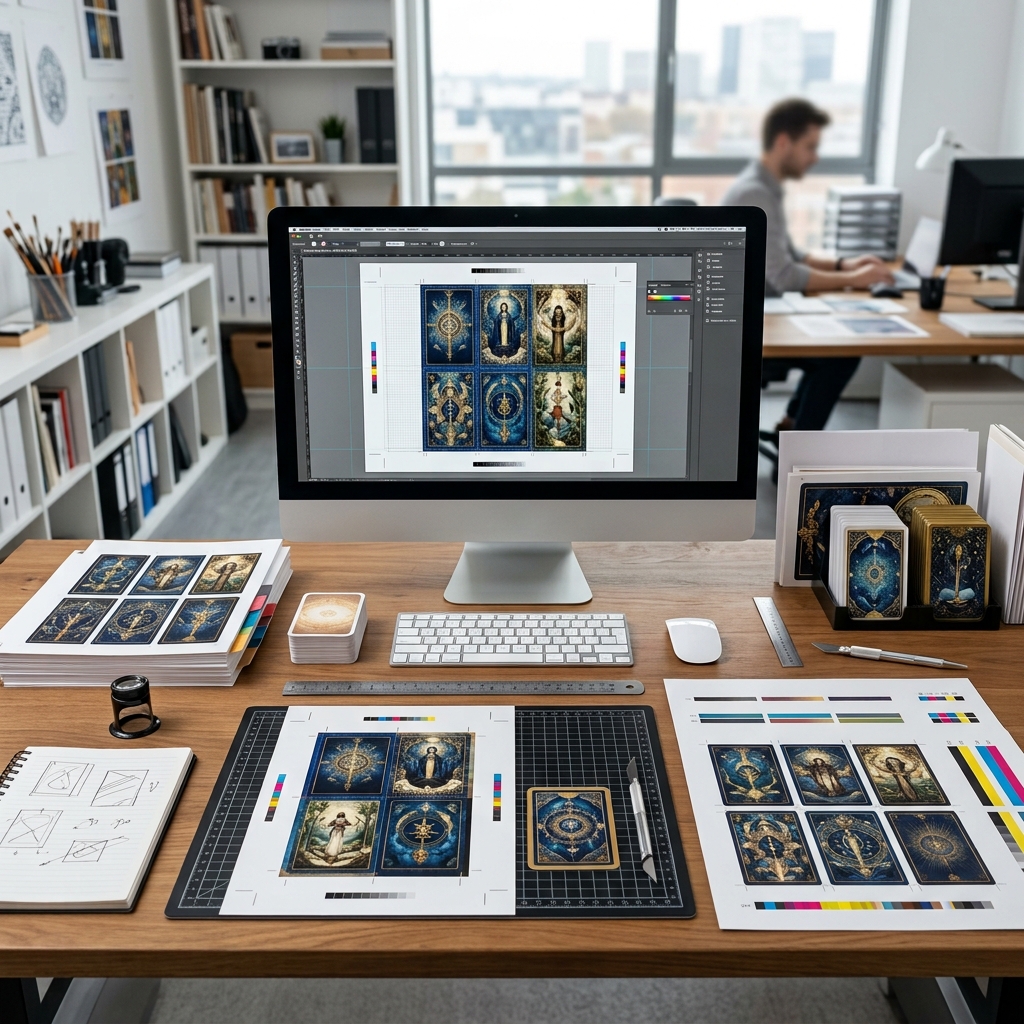
Artwork preparation determines whether a strong visual concept can be reproduced consistently. Before sending files, organize the deck by card number or name and provide a separate specification sheet that identifies the front, back, box, guidebook, and any inserts.
Artwork checks for oracle decks
- Set the document to the confirmed finished size and add the printer’s required bleed beyond the trim area.
- Keep essential text, borders, logos, and symbols inside a safe area so they are not too close to the cut edge.
- Use suitable image resolution for the final card size and check that illustrations remain clear at actual output dimensions.
- Confirm color mode and color expectations with the printer, especially for muted skin tones, gradients, dark backgrounds, and brand colors.
- Embed or outline fonts and check that small text remains readable after reduction.
- Use consistent file naming and page order to reduce the risk of a card being printed on the wrong side.
- Mark special finishing areas separately when a design includes foil, spot coating, embossing, or other effects.
Bleed is extra artwork that extends beyond the trim line so that small cutting variation does not leave an unprinted edge. The safe area is the inner zone where important content should remain. These terms should be agreed with the factory because exact file requirements may vary by product and production method.
Use the detailed custom card artwork requirements guide before submitting production files. The printer should review the files before sampling, but artwork review is not a substitute for the buyer’s final content and spelling approval.
Use Sampling Before Bulk Production
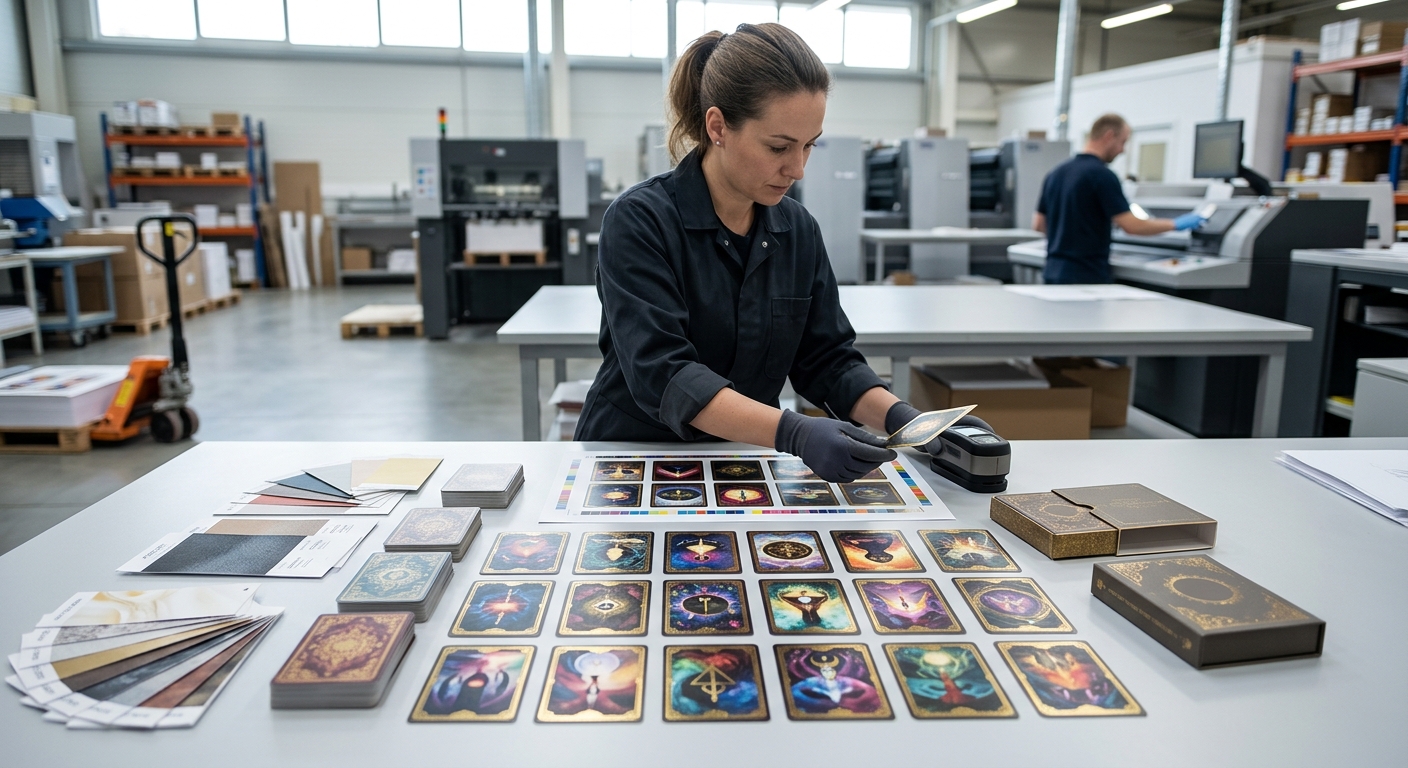
Sampling is a practical checkpoint between digital artwork and mass production. A digital proof mainly confirms layout, text, and file placement on screen. A physical sample allows the buyer to examine the actual stock, dimensions, color appearance, corner cut, finish, box fit, and handling feel.
For a new oracle deck, a sample is especially useful when the product includes dark artwork, subtle gradients, fine line drawings, metallic effects, unusual paper, or multiple components. Review the sample under typical lighting and handle the cards as customers will. Check whether the cards slide comfortably, whether the finish shows fingerprints or glare, and whether the deck fits the proposed packaging without excessive compression.
Record approvals in writing. A useful approval document identifies the approved artwork version, card count, size, stock, finish, packaging configuration, and any accepted color or physical tolerances. If changes are made after approval, ask how they affect sampling, production scheduling, and cost.
Read the guide on sample versus proof for custom card printing to decide which checkpoint is appropriate for your project. The final inspection should compare production output with the approved specification and reference sample where applicable.
Control Quality, Packaging, and Shipping
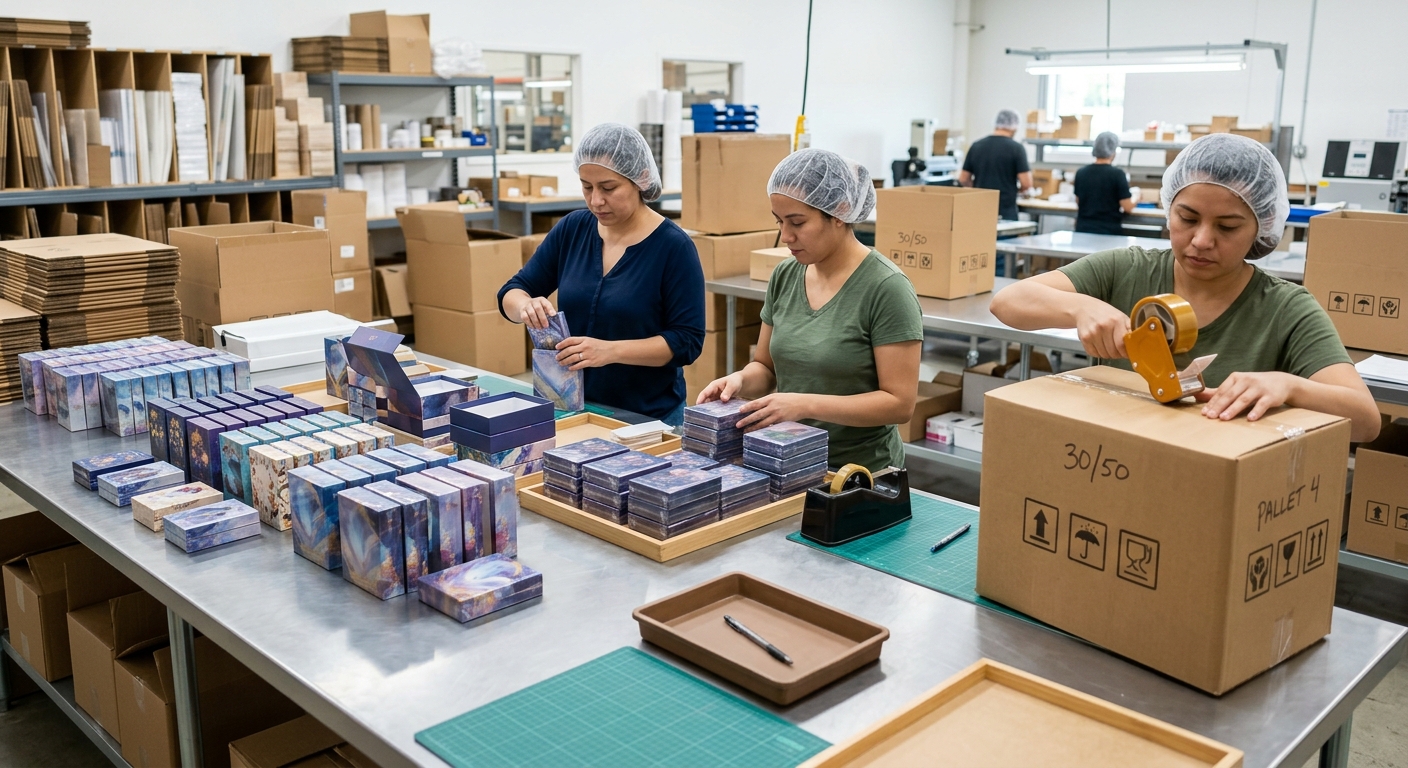
Quality control is the set of checks used to confirm that the finished decks match the approved requirements. A structured process should cover more than print color. It should also address quantity, card sequence, front-and-back alignment, trimming, corner consistency, surface defects, packaging assembly, and carton condition.
Useful quality checkpoints
- Artwork and prepress review: Confirm file completeness, page order, text, bleed, and finishing layers before printing.
- Pre-production approval: Check the digital proof or physical sample against the specification.
- Printing inspection: Review color appearance, registration, image clarity, and any visible marks.
- Finishing inspection: Check lamination, coating, cutting, corner rounding, and edge quality.
- Assembly inspection: Confirm card count, sequence, inserts, guidebooks, and box components.
- Packing inspection: Verify protective packing, carton labeling, quantities, and shipping marks.
Packaging should protect the deck while communicating the wellness brand’s positioning. A tuck box is generally an efficient structure for lighter retail products. A rigid box can provide a more premium presentation and added structure. A magnetic case can create a gift-oriented experience but may require more components, assembly, and shipping space. The best choice depends on product positioning, order quantity, protection needs, and logistics.
See the guide comparing tuck boxes, rigid boxes, and magnetic cases. Discuss export packing early because the final carton dimensions, deck weight, inner protection, labels, and shipping method can affect the landed cost and warehouse handling plan.
YBJ Cards Printing is a China-based custom card printing manufacturer with more than 20 years of experience. Its production support includes artwork review, sampling, bulk manufacturing, seven-stage quality control, export packing, and worldwide shipping. Exact production arrangements remain dependent on the approved project specification.
Build a Practical Production Plan
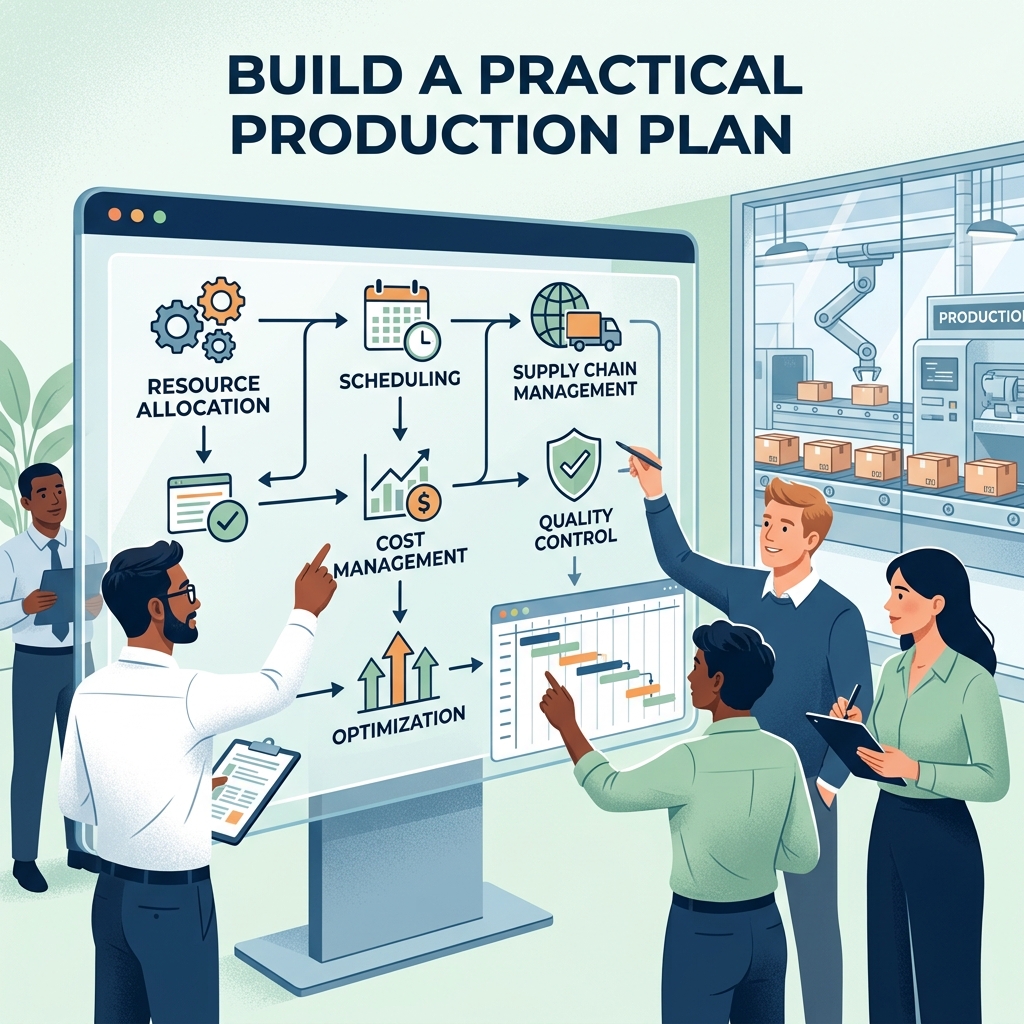
A successful oracle deck project begins with a clear production brief rather than a last-minute quotation request. Share the card type, finished size, card count, material preference, printing sides, finish, packaging, quantity, destination market, and required components. Include artwork status and indicate whether the files are ready for review or still being developed.
Recommended planning sequence
- Define the customer use case, retail position, and handling expectations.
- Confirm card dimensions, count, stock, finish, corners, and packaging structure.
- Prepare organized artwork with bleed, safe areas, correct resolution, and clear file names.
- Request a quotation based on the complete specification, quantity, and destination.
- Review the digital proof and order a physical sample when tactile or color evaluation matters.
- Approve the final version in writing before bulk production.
- Confirm quality checkpoints, packing configuration, shipping documents, and delivery address.
- Inspect the shipment on arrival and retain the approved sample and specification for repeat orders.
MOQ, price, and lead time depend on the card format, materials, finishes, packaging, quantity, artwork readiness, and shipping requirements. Planning these variables together gives wellness brands a more realistic basis for launch scheduling and product costing. It also makes future reorders easier because the approved specification can be reused and updated instead of rebuilt from memory.
In summary, custom oracle card printing is best managed as a coordinated manufacturing project. Define the user experience first, select materials and finishes that support it, prepare production-ready files, verify the result with sampling, and establish quality and packing requirements before approving bulk production.
Request a Custom Oracle Deck Recommendation and Quote
Share your card type, finished size, card count, material, quantity, finish, packaging requirements, artwork status, and shipping destination. YBJ Cards Printing can review the brief and provide a tailored production recommendation and quotation based on your project requirements.
Tags
Keep Reading
Related Articles
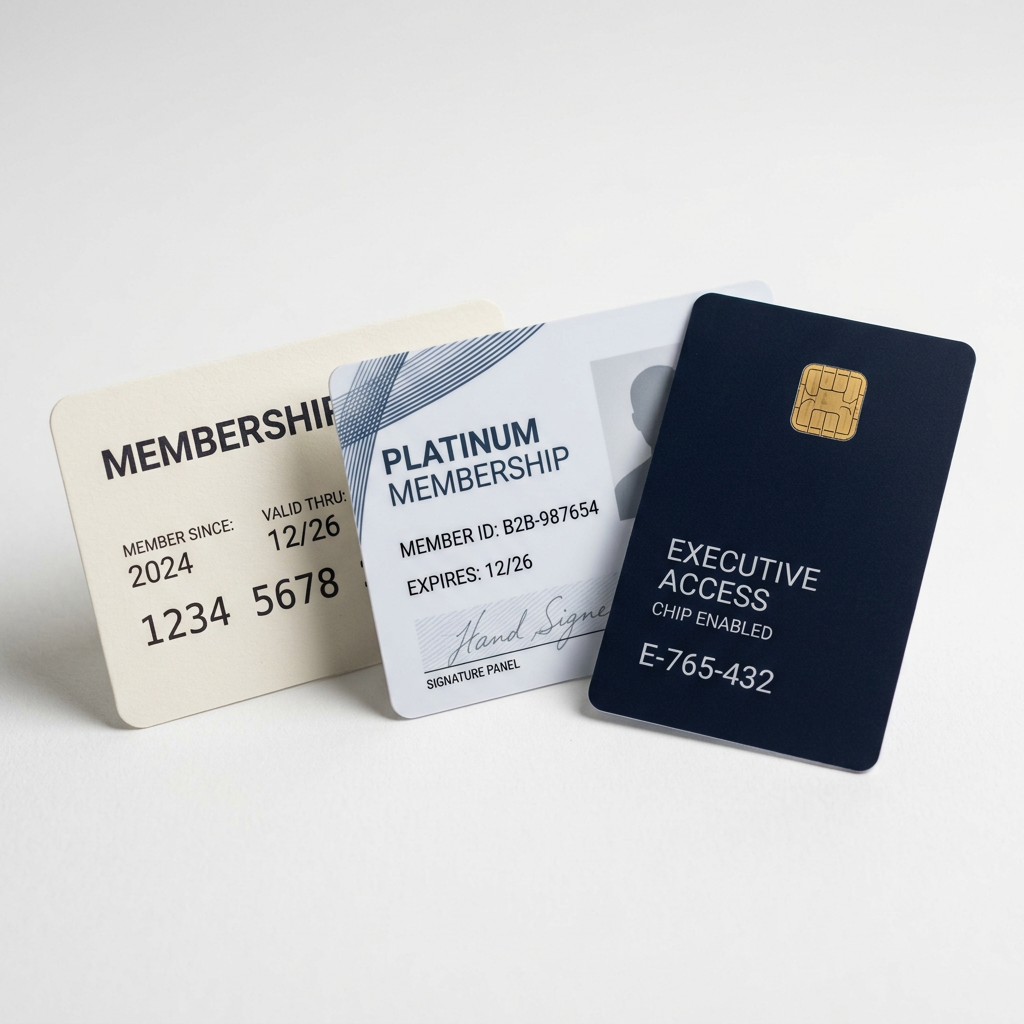
Custom Membership Card Printing: Paper, PVC, and Smart Card Options Compared
The best custom membership card material depends on how members will use the card, how long it must last, whether it needs electronic functions, and how much customization the program requires. Paper cards suit short-term or low-cost promotions, PVC cards provide durable everyday identification, and smart cards support access, payment, or digital data applications. This guide compares the three options and explains how to plan specifications, sampling, production, quality control, packaging, and shipping.
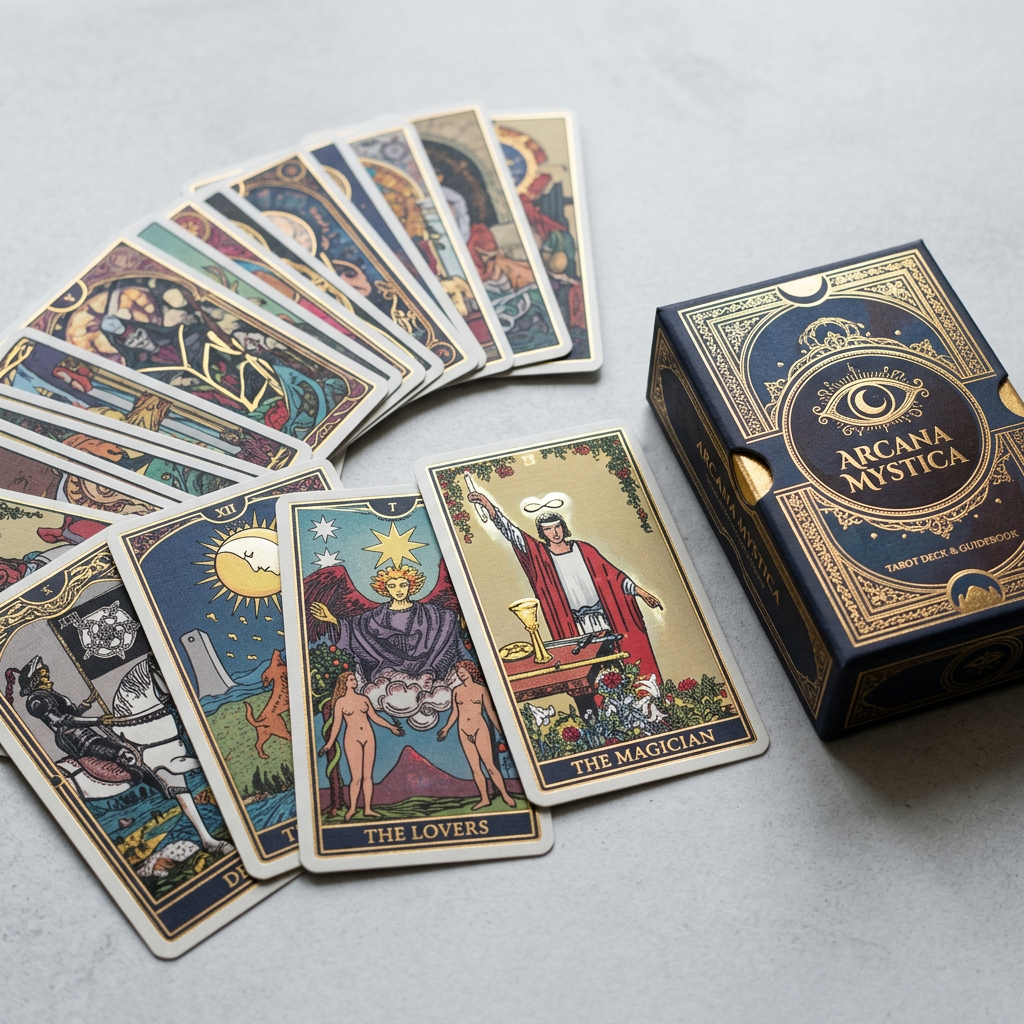
Custom Tarot Card Printing: Deck Specifications, Finishes, and Packaging
Custom tarot card printing requires more than artwork preparation. Buyers must coordinate deck size, card count, stock, finishes, packaging, sampling, quality control, and export shipping before approving bulk production. This guide explains the main decisions for publishers, game brands, retailers, spiritual product companies, and independent creators.
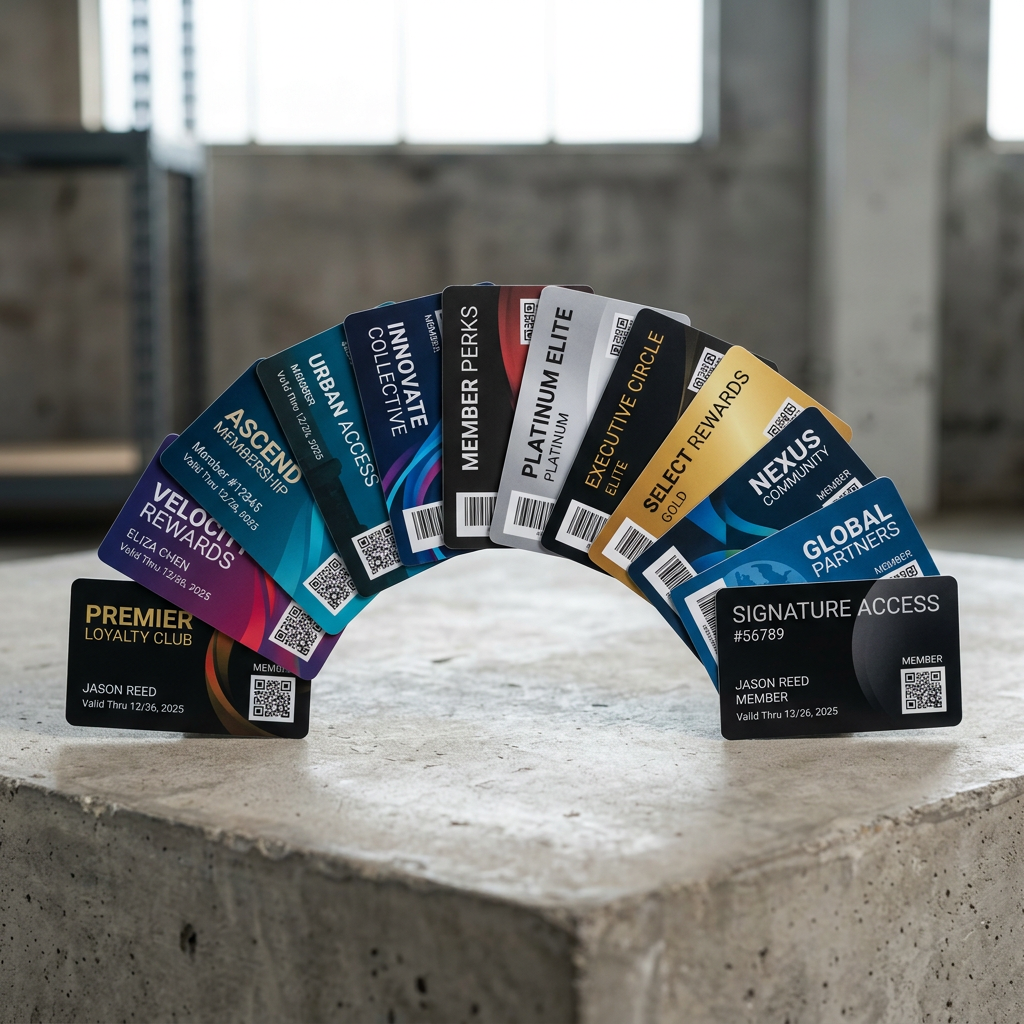
Custom PVC Card Printing for Membership and Loyalty Programs
Custom PVC card printing gives membership and loyalty programs a durable, professional card format for identification, access, rewards, and customer engagement. This guide explains how to plan specifications, artwork, personalization, sampling, production, quality control, packaging, and international shipping.
Fast Quote Support
Ready to Start Your Custom Card Project?
Send us your product type, size, material, quantity, and packaging requirements. Our team will reply within 24 hours with production suggestions, sampling options, and a competitive quote. No setup fees.