
Custom Card Printing
Custom PVC Card Printing for Membership and Loyalty Programs
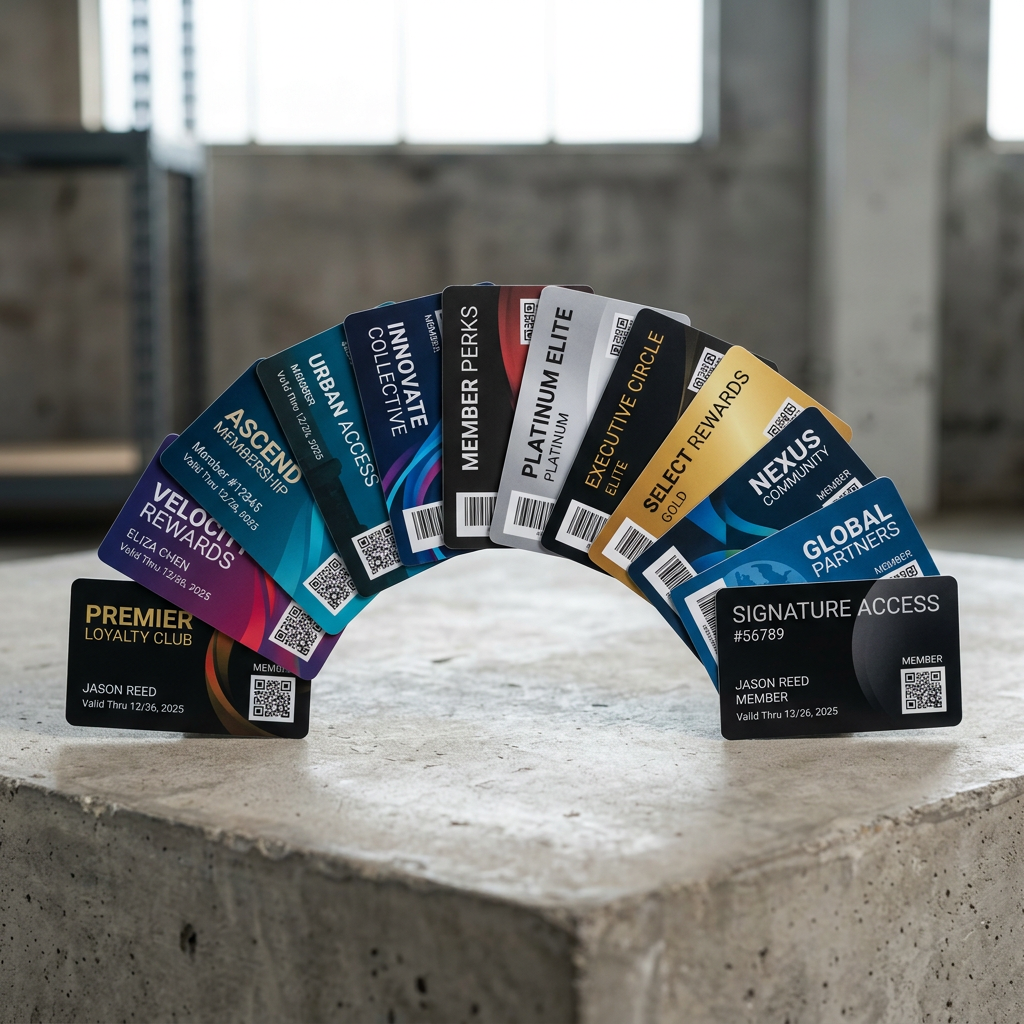
Table of Contents
- How PVC Cards Support Membership and Loyalty Programs
- Key Specifications to Confirm Before Printing
- Choosing Card Functionality and Personalization
- Artwork, Color, and Surface Finish
- Sampling, MOQ, and Production Planning
- Quality Control, Packaging, and Worldwide Shipping
- Buyer Checklist for a Successful Card Order
Custom PVC card printing gives membership and loyalty programs a durable, professional card format for identification, access, rewards, and customer engagement. This guide explains how to plan specifications, artwork, personalization, sampling, production, quality control, packaging, and international shipping.
How PVC Cards Support Membership and Loyalty Programs
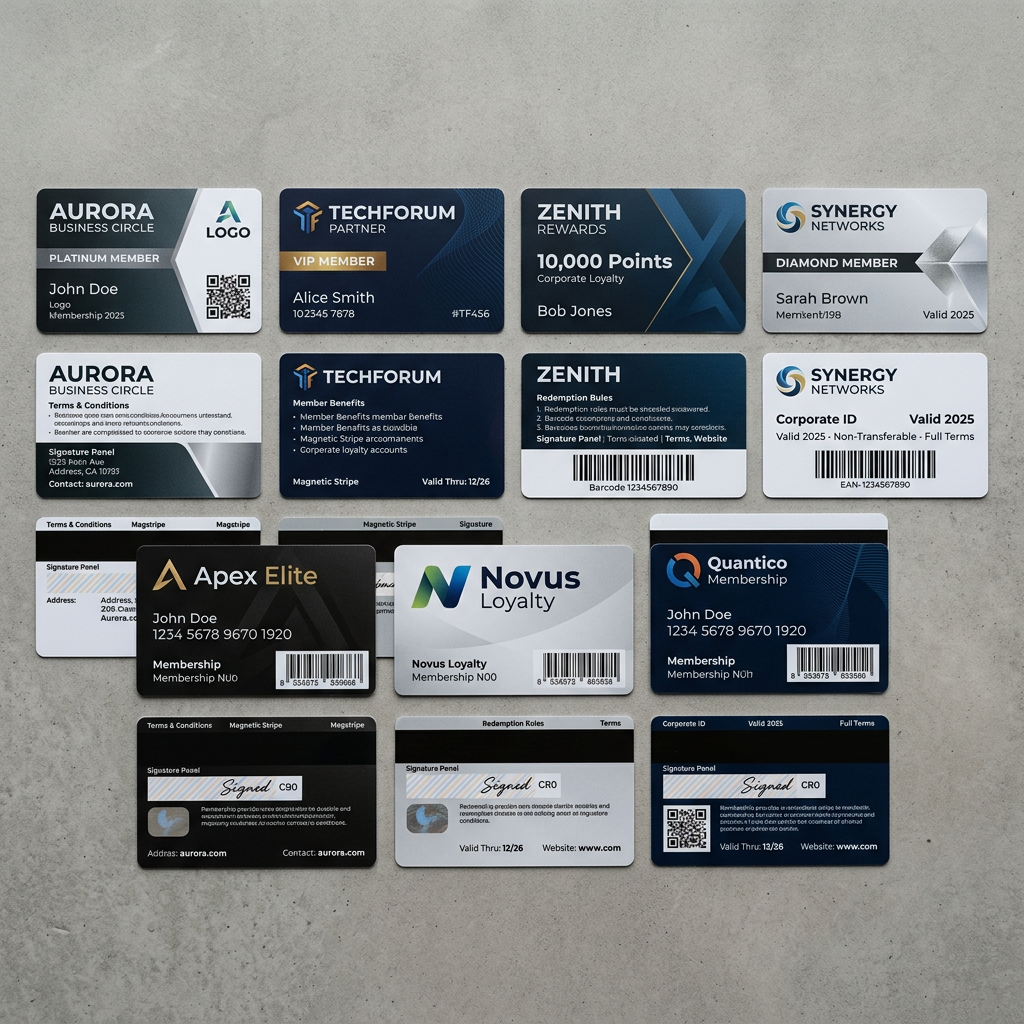
Custom PVC card printing produces durable plastic cards for member identification, loyalty enrollment, access management, repeat-purchase programs, and brand promotion. PVC, or polyvinyl chloride, is a plastic material commonly used for cards because it provides a firm, smooth surface suitable for full-color printing and daily handling.
For a membership program, the card may display a member name, number, tier, or validity period. For a loyalty program, it can provide a physical reminder of the brand while supporting barcode, QR code, magnetic stripe, or other identification methods. The card itself does not automatically process rewards; the required data system, scanner, reader, or software must be specified separately.
A well-planned card order starts with the intended use rather than the artwork alone. Consider where the card will be carried, whether it must be swiped or scanned, how often the design will change, and whether cards need individual personalization. These decisions affect material structure, printing, data preparation, quality checks, packaging, and shipping.
Businesses can review the full-color custom PVC plastic card option when they need a standard printed card for membership, loyalty, promotional, or identification use.
Key Specifications to Confirm Before Printing
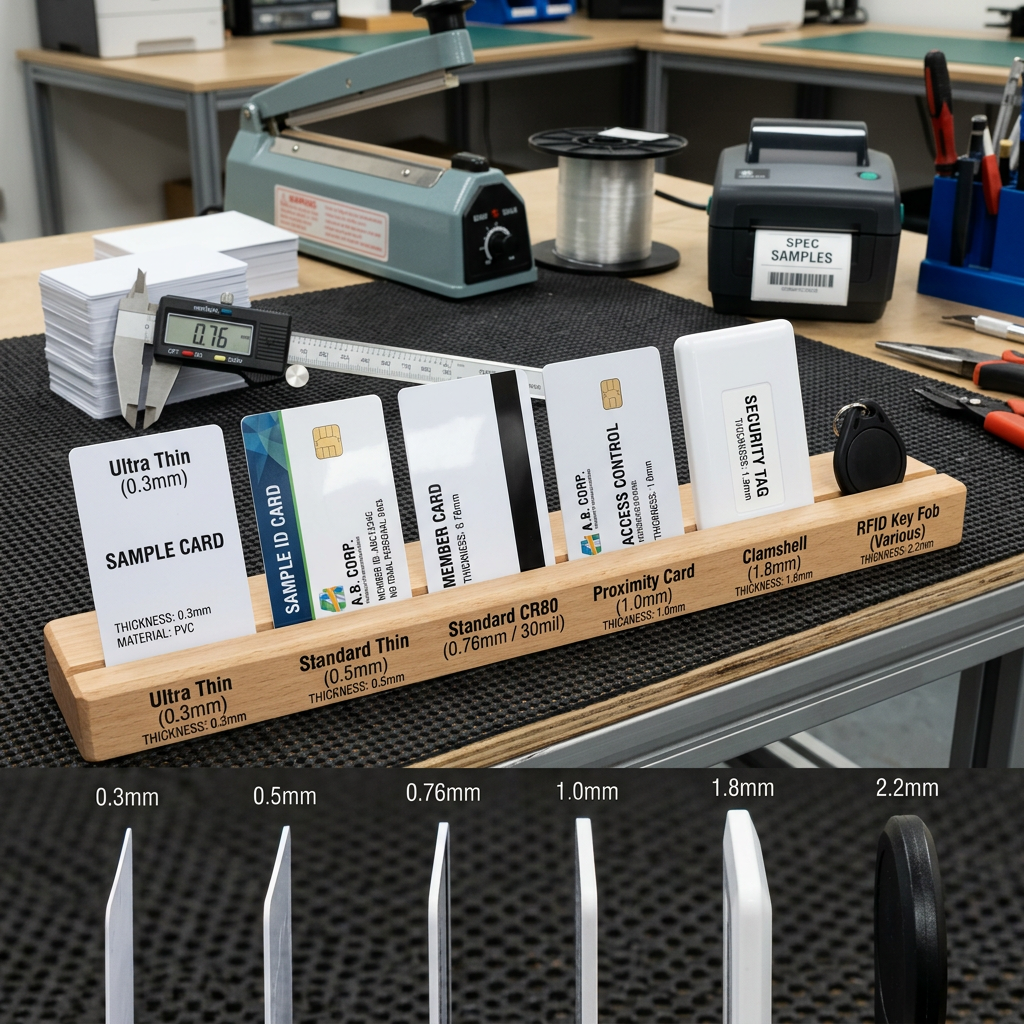
Before requesting a quotation, prepare a written specification sheet. This reduces interpretation errors and helps the manufacturer confirm what can be produced within the required quantity and schedule.
Card size and thickness
Many membership and loyalty cards use a conventional wallet-card format, but the final size should be confirmed rather than assumed. Thickness affects flexibility, perceived value, storage, mailing weight, and compatibility with card readers or holders. If the card must fit an existing wallet, terminal, badge holder, or mailer, provide the relevant dimensional requirements.
Material and construction
Standard PVC is suitable for many everyday cards. Special material structures may be considered when the project requires a different appearance, tactile effect, or environmental objective. Any alternative should be evaluated for printability, durability, cost, and compatibility with the planned functions.
Design and variable data
- Front and back artwork
- Brand colors and logos
- Member name, number, tier, or expiry date
- Barcode, QR code, serial number, or magnetic stripe
- Signature panel or writable area, if needed
- Packaging format and quantity per pack
Specifications, MOQ, price, and lead time depend on project requirements, including card construction, personalization, finishing, quantity, packaging, and shipping destination.
Choosing Card Functionality and Personalization
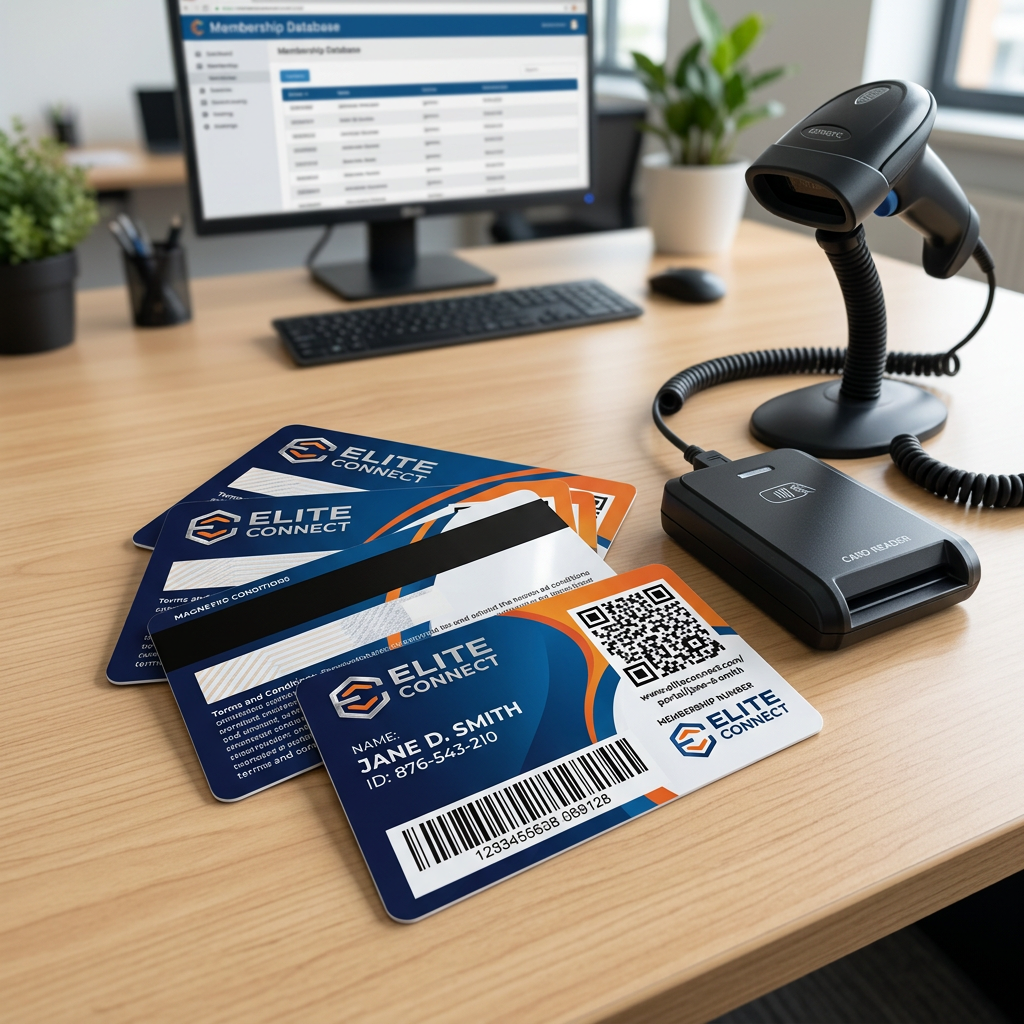
The most important technical distinction is whether the card is printed only or also contains a machine-readable feature. A printed card may be sufficient for visual membership verification. A barcode or QR code can connect the physical card to a customer record when the business has compatible scanning software. A magnetic stripe can be used with suitable swipe readers and encoded data.
Magnetic stripe cards
A magnetic stripe is a narrow band that stores encoded information and is read by a compatible magnetic reader. It should be specified by stripe color, placement, track requirements, encoding format, and testing method. The reader and backend system are outside the printing process, so compatibility should be confirmed before production.
For programs that use swipe-based identification, review the custom PVC magnetic stripe card product option.
Barcodes and QR codes
Codes require sufficient contrast, clear placement, and a quiet area around the printed symbol. The data list should be checked for duplicates, missing values, and incorrect formatting before variable-data production. A sample scan test is recommended when the cards will be used at checkout, reception, or access points.
Personalized card data
Personalization may include names, membership numbers, tier labels, dates, or unique codes. Buyers should define the data format, privacy handling, approval process, and whether the cards are produced in one batch or across multiple designs. The manufacturer should receive an approved data file and a clear mapping between each record and its artwork.
Artwork, Color, and Surface Finish
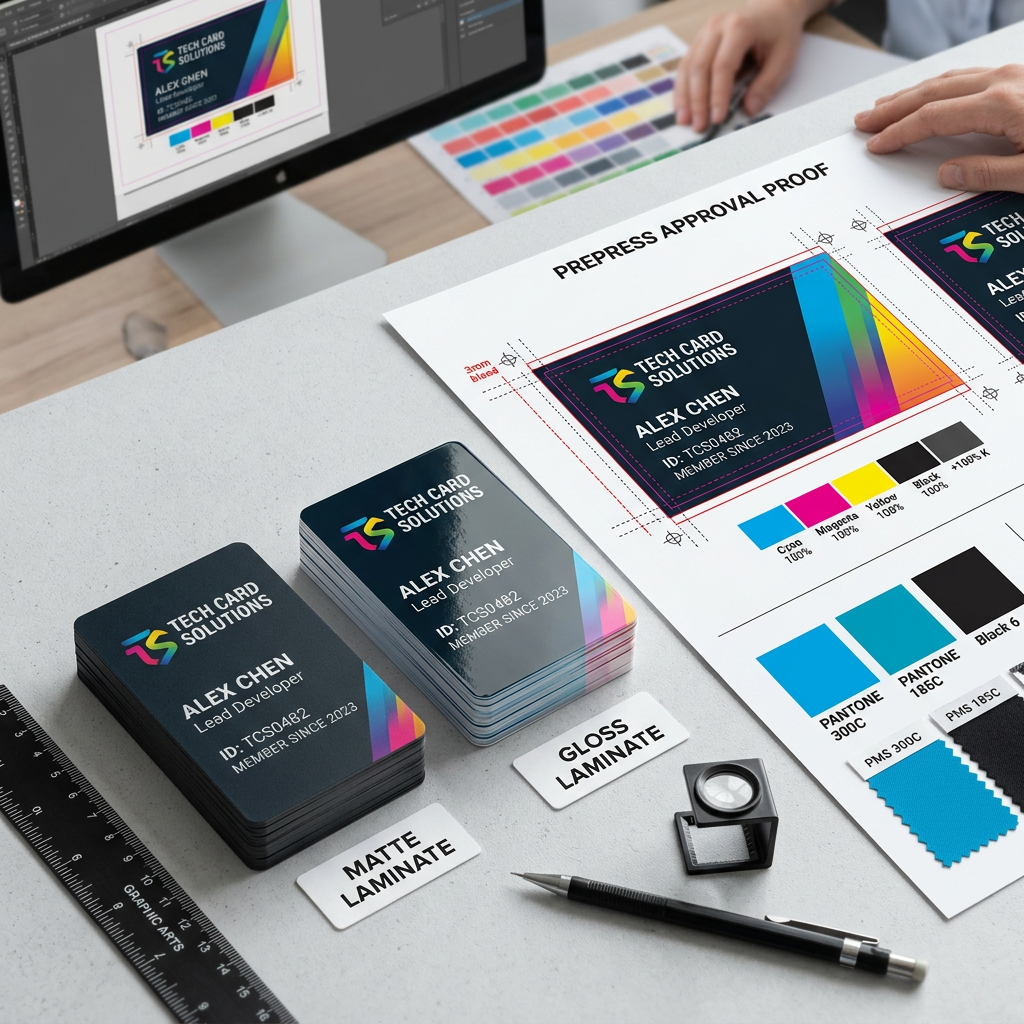
Artwork preparation influences both print accuracy and production efficiency. Supply editable artwork in the requested file format, include bleed beyond the trim edge, keep important text inside the safe area, outline or embed fonts, and use suitable image resolution. Bleed is the extra image area removed during trimming; the safe area is the zone where essential content should remain clear of the edge.
Use a proof to confirm layout, text, colors, codes, and variable-data placement. A physical sample is more appropriate when the buyer needs to evaluate the actual card feel, thickness, surface, color appearance, or finishing result. The guide on custom card printing artwork requirements provides a practical prepress reference, while the sample versus proof guide explains the difference between these approval stages.
Surface finishes
Gloss lamination creates a reflective appearance and can make colors appear vivid. Matte lamination offers a lower-reflection surface and a softer visual effect. Other finishes may be available depending on the card structure and desired design. Finish selection can affect appearance, writing ability, scuff visibility, and the readability of codes or signatures.
For a consistent brand result, approve the complete front and back artwork, finish, and any variable data before bulk production begins.
Sampling, MOQ, and Production Planning
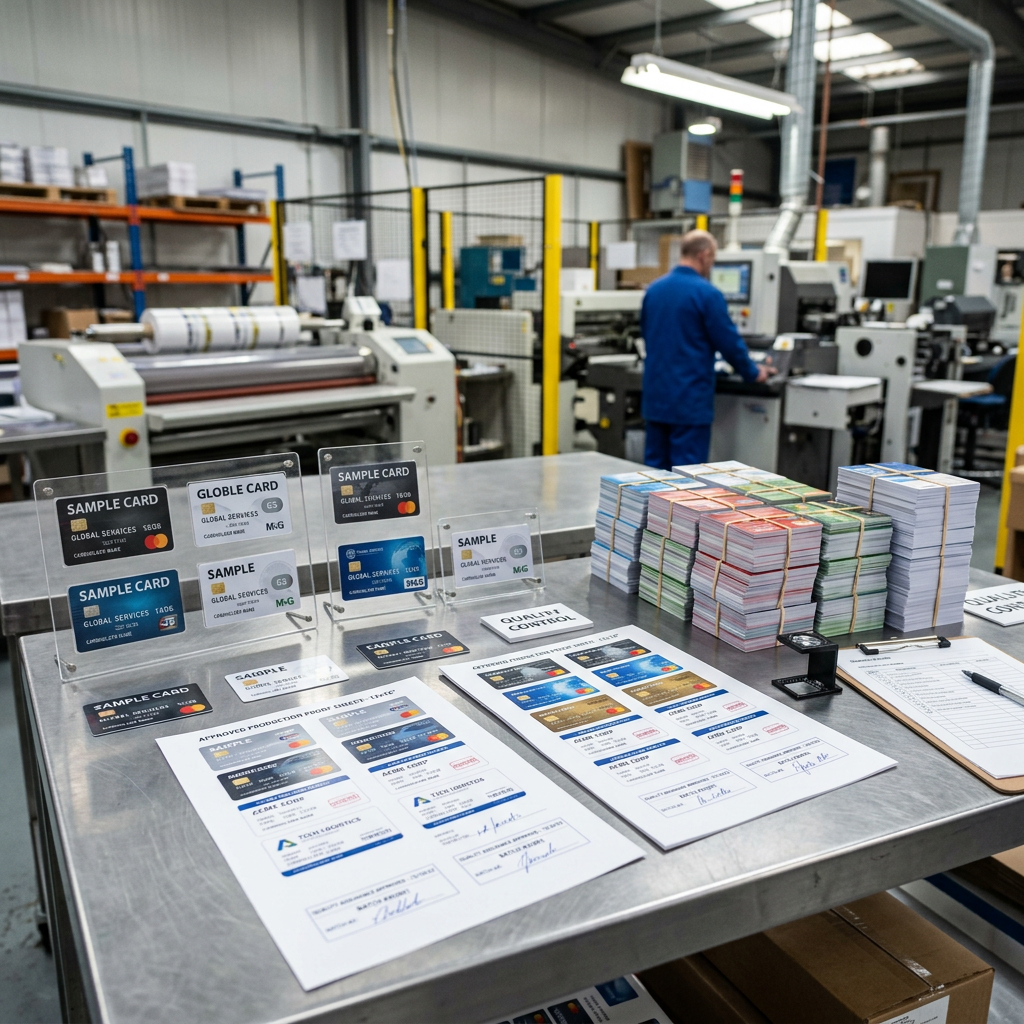
Sampling is a risk-control step rather than an unnecessary delay. It allows buyers to check dimensions, material, printing, color balance, finish, code placement, and overall handling before committing to bulk production. When the design contains variable data or magnetic encoding, request a representative test rather than reviewing artwork alone.
MOQ means minimum order quantity: the smallest quantity a manufacturer is prepared to produce under defined specifications. MOQ can vary according to card type, number of designs, personalization, finishing, packaging, and factory scheduling. A larger order may improve production efficiency, but it also increases inventory exposure. A smaller first order may reduce stock risk while affecting setup efficiency or unit economics.
Plan the order around realistic demand, program launch timing, replacement needs, and the number of active designs. If the program has member tiers, decide whether each tier needs a separate card design or whether tier information can be personalized on one base design. For a deeper planning framework, read the guide to card printing MOQ and first-order planning.
- Send the card specification and artwork.
- Review the quotation and clarify assumptions.
- Approve a digital proof or physical sample.
- Confirm quantity, data files, packaging, and shipping details.
- Release the order for production after written approval.
Quality Control, Packaging, and Worldwide Shipping
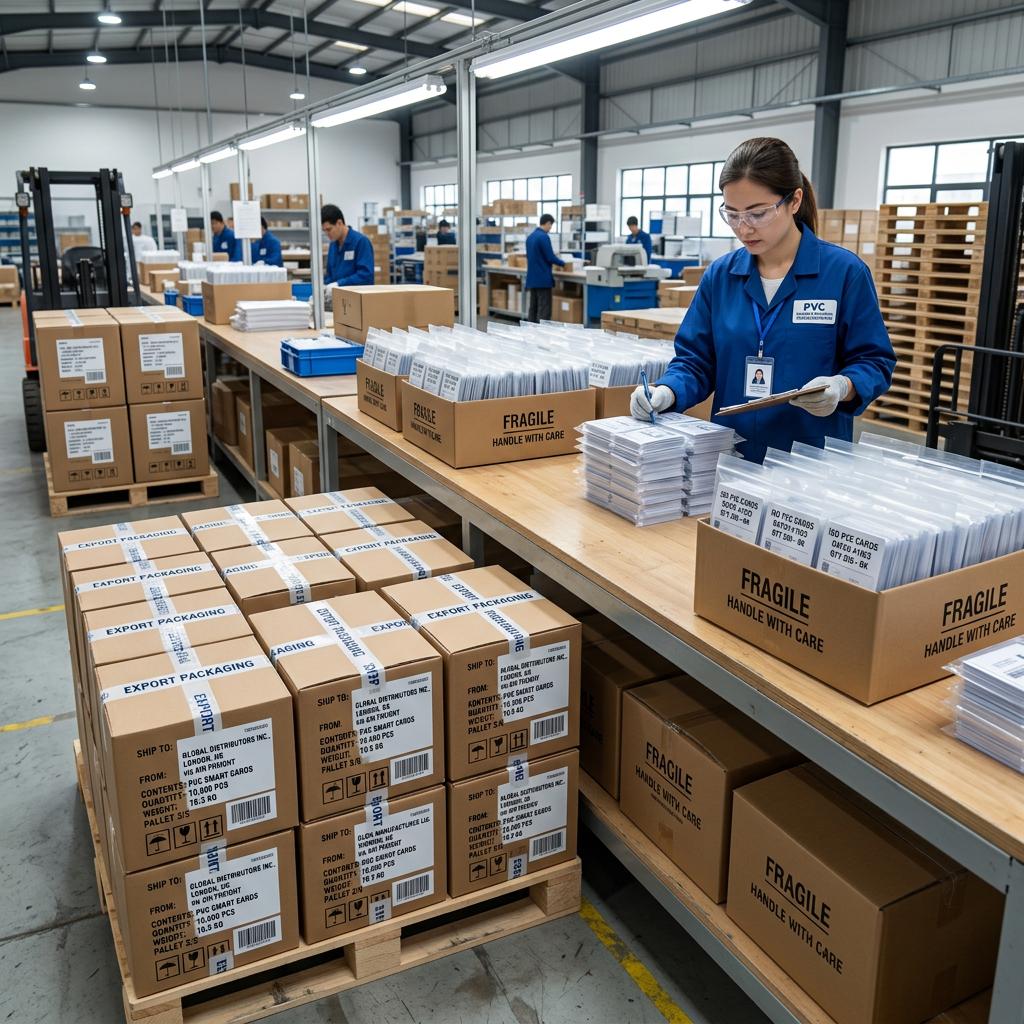
A professional card manufacturer should define quality checks before production starts. For membership and loyalty cards, relevant checks may include material and thickness, dimensions, print registration, color consistency, trimming, edge condition, lamination, code readability, magnetic encoding where applicable, sorting, and quantity.
YBJ Cards Printing supports artwork review, sampling, bulk production, seven-stage quality control, export packing, and worldwide shipping. Buyers should still request project-specific inspection criteria and clarify how defects, shortages, mixed designs, and data errors will be handled.
Packaging considerations
Packaging should protect cards from bending, scratching, moisture, dust, and movement during transit. Common planning points include the number of cards per inner pack, cartons per shipment, labels, pallet requirements, and whether cards must be separated by design or member tier. If the cards will be mailed directly to members, discuss retail-ready or individual mailing options separately.
Shipping documentation
Confirm the delivery address, consignee details, carton marks, packing list, commercial invoice requirements, and preferred transport method. Transit time and import procedures vary by destination, carrier, shipment size, and customs conditions. Production and shipping schedules should therefore be confirmed for the specific project rather than assumed from a general estimate.
Buyer Checklist for a Successful Card Order
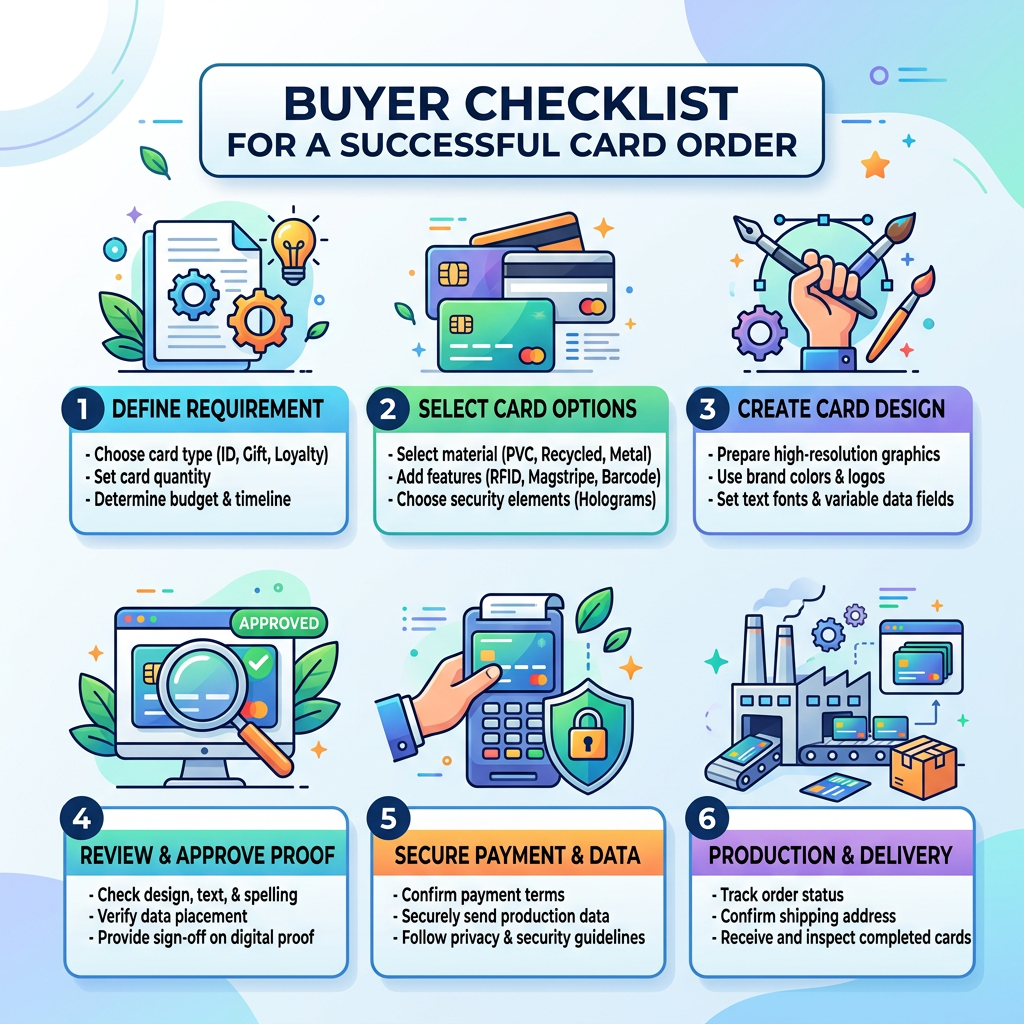
Before approving a custom PVC card printing project, confirm the following points:
- Card purpose: membership identification, loyalty rewards, access, promotion, or a combination.
- Card size, thickness, material, construction, and expected handling conditions.
- Printed elements, variable data, barcodes, QR codes, magnetic stripes, or signature panels.
- Artwork files, bleed, safe areas, color references, and proofing requirements.
- Finish, writing requirements, scuff expectations, and visual appearance.
- Sample requirements and approval responsibilities.
- Quantity by design, tier, language, or personalization group.
- MOQ, packaging format, carton labeling, delivery address, and shipping method.
- Inspection criteria and the process for reporting discrepancies.
The best quotation is based on complete information. When suppliers receive the intended use, technical specifications, artwork status, quantity, packaging, and destination together, they can identify trade-offs earlier and reduce avoidable revisions.
In conclusion, custom PVC card printing is most effective when the card design, program technology, production controls, and fulfillment plan are developed as one project. A clear specification and approved sample help membership and loyalty programs receive cards that are practical, consistent, and aligned with the brand.
FAQ
What is custom PVC card printing used for?
It is used to produce plastic cards for membership identification, loyalty rewards, customer enrollment, access programs, promotions, and other business applications. Cards may be printed only or may include barcodes, QR codes, magnetic stripes, or personalized data when the required systems are available.
Can PVC membership cards include names and member numbers?
Yes. Names, member numbers, tier labels, expiry dates, and unique codes can be included as variable data, subject to an approved data file and production method. Buyers should confirm privacy, sorting, and data-approval procedures before production.
Should I order a sample before bulk PVC card production?
A sample is recommended when physical thickness, finish, color appearance, handling, code readability, or magnetic encoding needs to be evaluated. A digital proof may be sufficient for confirming layout, but it cannot fully represent the physical card.
What affects the MOQ and price of PVC loyalty cards?
MOQ and price depend on card size, thickness, material, number of designs, printing, personalization, magnetic or scanning features, finishing, packaging, quantity, and shipping destination. The manufacturer should quote the complete project specification rather than a generic card type.
How should PVC membership cards be packaged for export?
Cards should be packed to limit bending, scratching, moisture, dust, and movement during transport. The final plan may include inner packs, cartons, labels, separation by design, and export documents. Packaging requirements should be confirmed according to the shipping method and destination.
Request a Project-Specific PVC Card Recommendation
Share your card type, size, material, quantity, finish, personalization or encoding requirements, packaging plan, and shipping destination with YBJ Cards Printing. Our team can review the specifications, advise on sampling and production details, and prepare a tailored recommendation and quotation.
Tags
Keep Reading
Related Articles
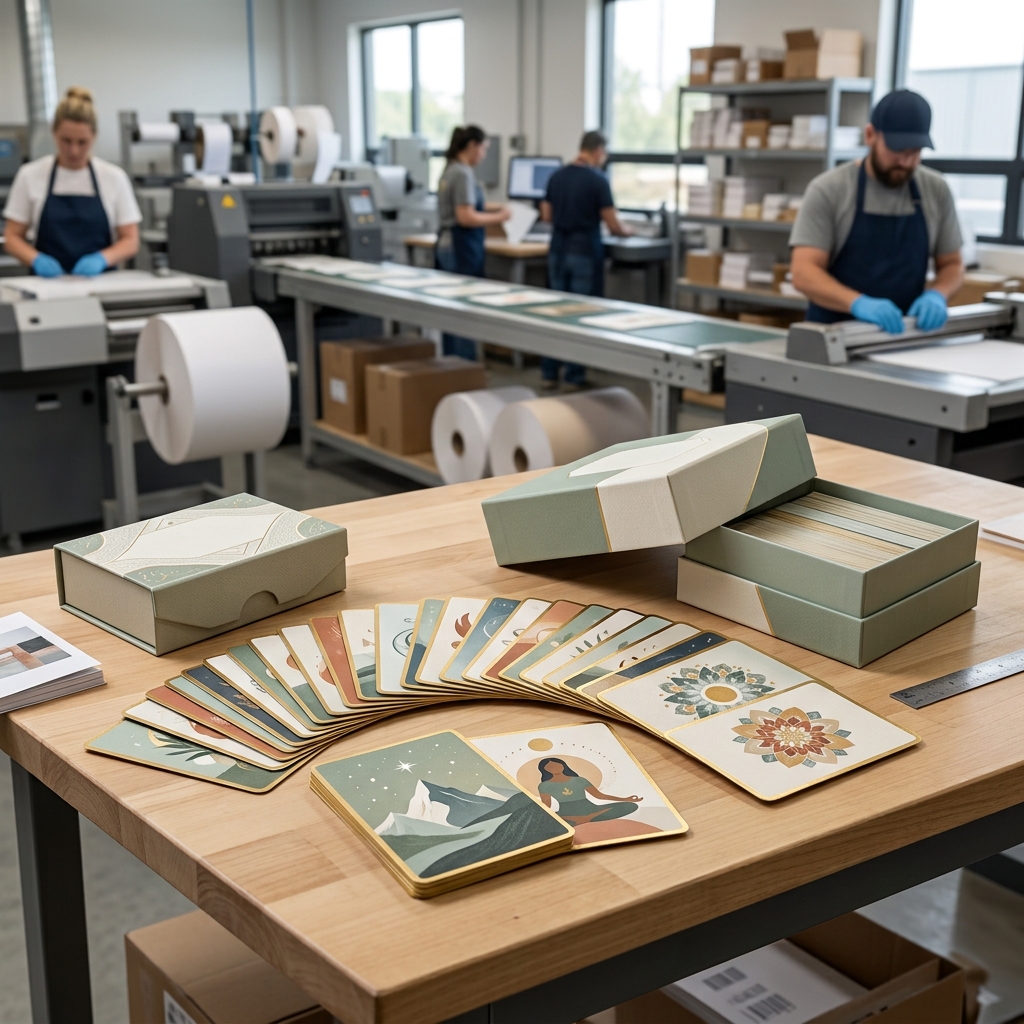
Custom Oracle Card Printing for Wellness Brands: A Practical Production Guide
Custom oracle card printing requires more than attractive artwork. Wellness brands must coordinate card dimensions, stock, finishes, packaging, sampling, quality control, and export shipping before approving bulk production. This guide explains the main decisions and production steps for creating a reliable oracle card deck.
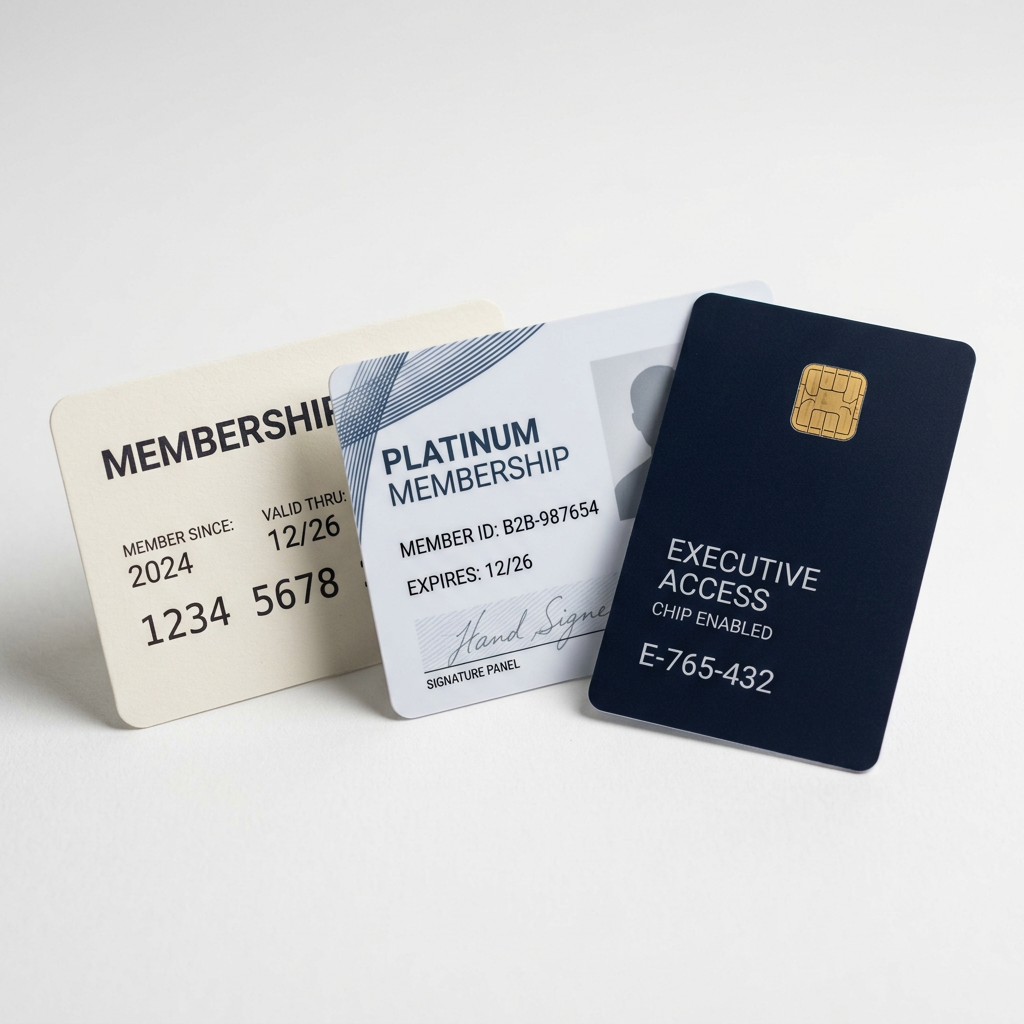
Custom Membership Card Printing: Paper, PVC, and Smart Card Options Compared
The best custom membership card material depends on how members will use the card, how long it must last, whether it needs electronic functions, and how much customization the program requires. Paper cards suit short-term or low-cost promotions, PVC cards provide durable everyday identification, and smart cards support access, payment, or digital data applications. This guide compares the three options and explains how to plan specifications, sampling, production, quality control, packaging, and shipping.
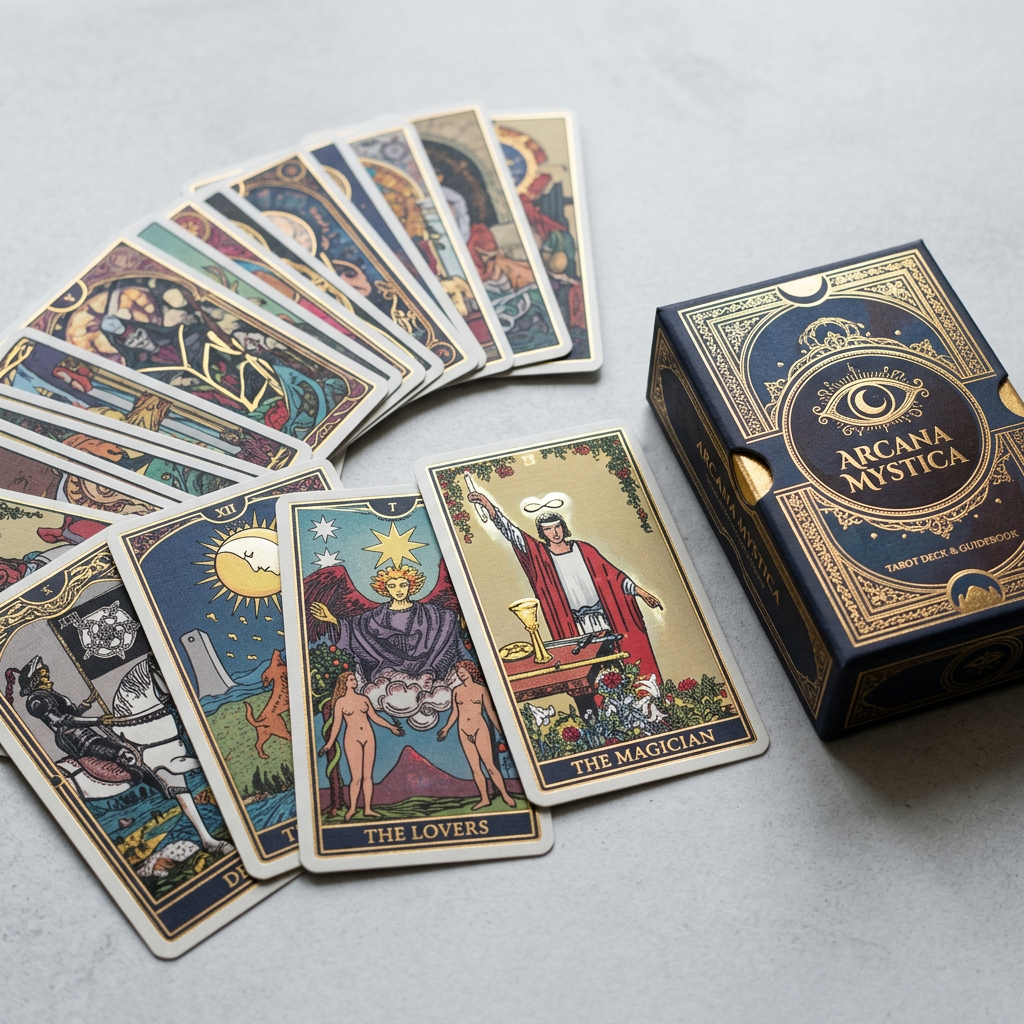
Custom Tarot Card Printing: Deck Specifications, Finishes, and Packaging
Custom tarot card printing requires more than artwork preparation. Buyers must coordinate deck size, card count, stock, finishes, packaging, sampling, quality control, and export shipping before approving bulk production. This guide explains the main decisions for publishers, game brands, retailers, spiritual product companies, and independent creators.
Fast Quote Support
Ready to Start Your Custom Card Project?
Send us your product type, size, material, quantity, and packaging requirements. Our team will reply within 24 hours with production suggestions, sampling options, and a competitive quote. No setup fees.