
Product Guides
Custom Yoga Card Printing: A Practical Guide for Wellness Brands
Table of Contents
- What Is Custom Yoga Card Printing?
- Design Yoga Pose Cards for Real Use
- Compare Materials and Finishes
- Choose Practical Wellness Deck Packaging
- Plan Sampling and Production
- Check Quality, Packing, and Shipping
- Key Takeaways
- Conclusion
Plan a yoga or exercise card deck around its real use: clear pose instructions, suitable card materials, comfortable corners, practical packaging, and a production process that checks artwork, samples, bulk output, and shipping requirements.
What Is Custom Yoga Card Printing?
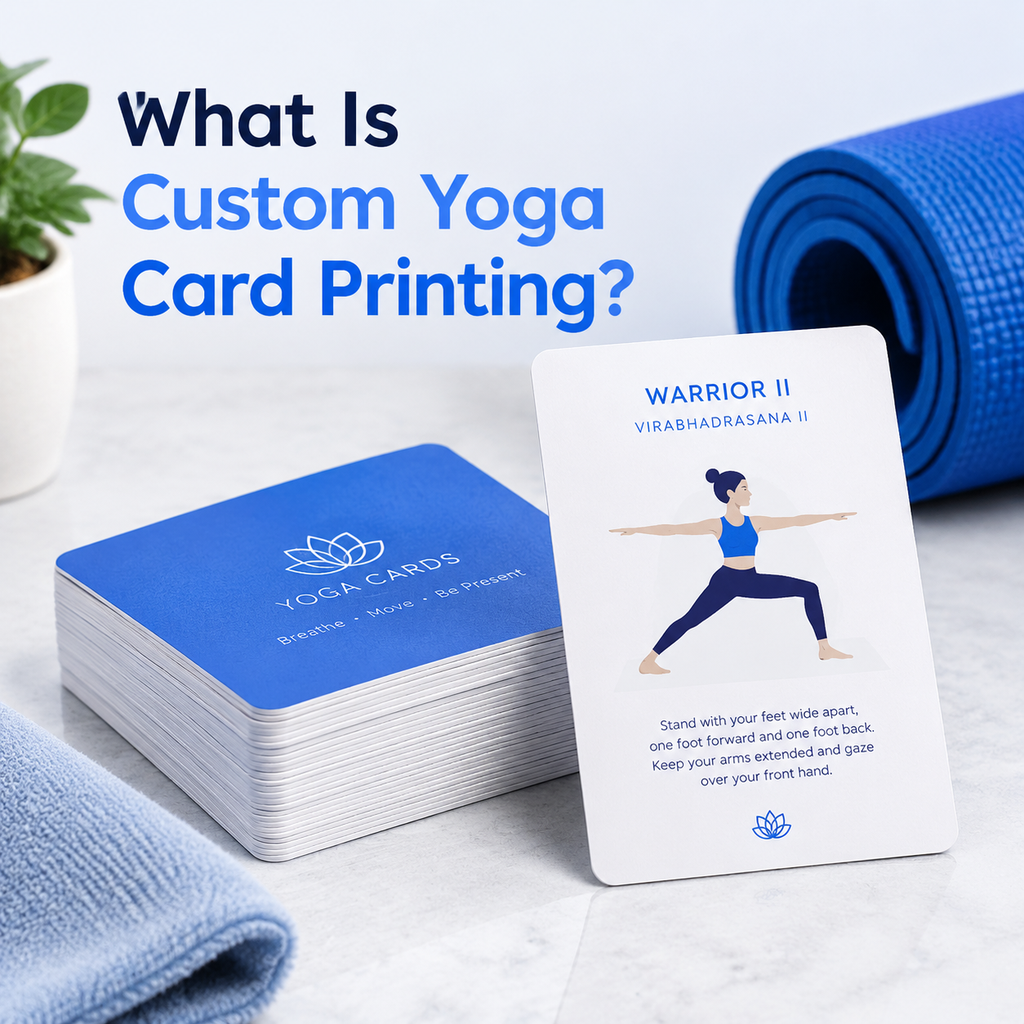
Custom yoga card printing is the production of a branded card deck that presents yoga poses, movement sequences, breathing prompts, or practice guidance in a portable format. For wellness brands, the right specification balances legibility, handling, durability, visual identity, packaging, and the intended setting, such as home practice, studio instruction, retail, or a wellness kit.
A yoga card is an instructional product, not only a printed image. Each card may need to combine a pose name, a clear illustration or photograph, concise cues, modifications, and a sequence number. The material and finish should support the way customers will handle the deck. Specifications, MOQ, price, and lead time depend on project requirements, including card count, dimensions, stock, finishing, packaging, and shipping plan.
For a broader overview of card production variables, see this custom card printing specification guide.
Design Yoga Pose Cards for Real Use
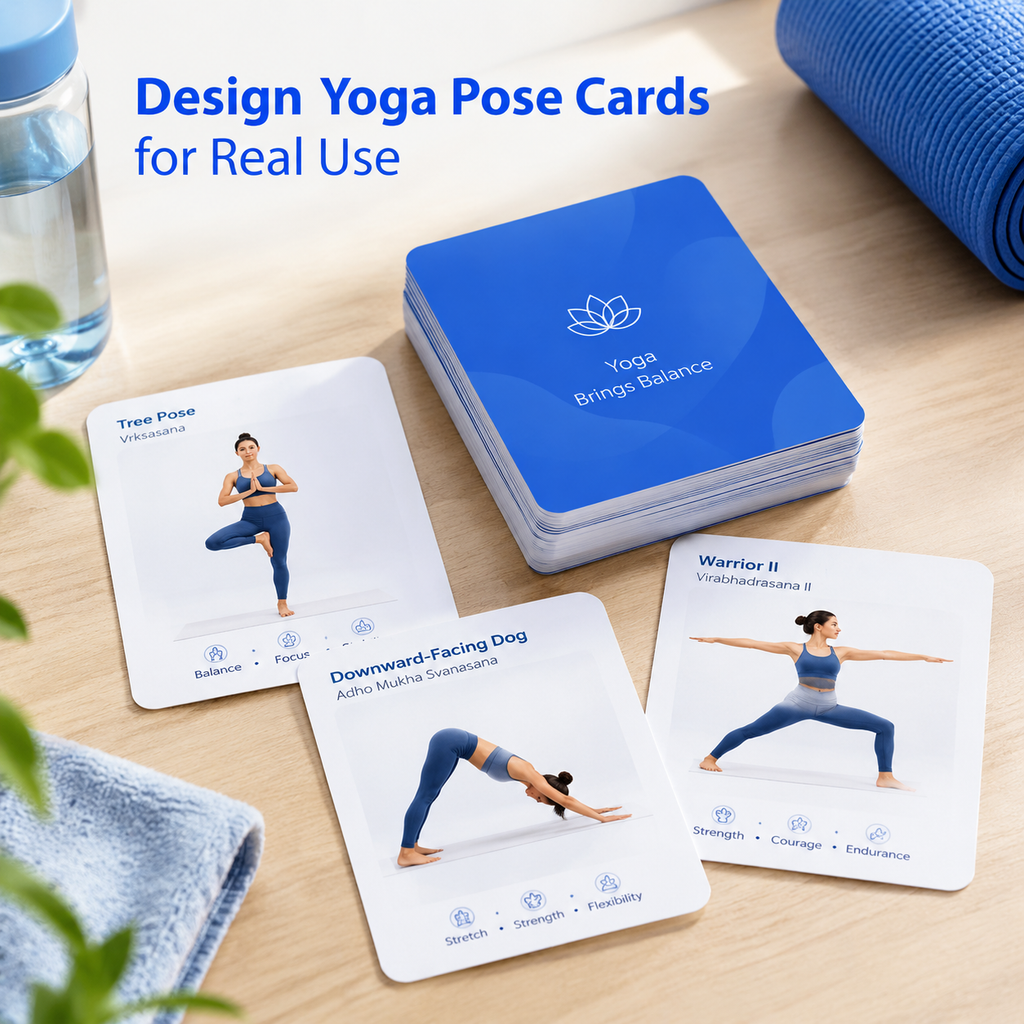
Start with the user and use case, then build the instruction card layout around what that person must see quickly. A deck for self-guided beginners may need more explanatory text than a prompt deck used by an experienced instructor. Studio cards may be viewed at arm’s length or placed on a mat, while retail decks need a strong visual hierarchy that is clear when the box is opened.
Set the information hierarchy
Choose a consistent order for pose name, image, instructions, difficulty or category labels, and safety notes. Keep cues short and use plain language. If a pose requires a modification or contraindication note, reserve space for it rather than shrinking all text. Check contrast and type size at the final printed dimensions, not only on a large monitor.
Use original or properly licensed images and illustrations. Keep the pose visually identifiable, with enough negative space around the figure to prevent the artwork from competing with directions. If the deck includes a sequence, use numbering or a clear category system that remains understandable without relying on color alone.
Choose dimensions and card count
Card dimensions affect how much instruction fits, how the deck feels in hand, and what packaging can contain it. A compact format travels easily but can constrain illustrations and type. A larger card can make poses and guidance easier to inspect, but it takes more space in a kit and may cost more to package or ship. Agree on card size, orientation, number of cards, and whether every card has the same layout before preparing final artwork.
- Confirm the target audience, use setting, and whether users need beginner modifications.
- Draft one representative front and back, then test readability at actual size.
- Standardize labels, typography, image placement, margins, and numbering across the deck.
- Check that the full deck and any insert fit the planned box with practical clearance.
Compare Materials and Finishes
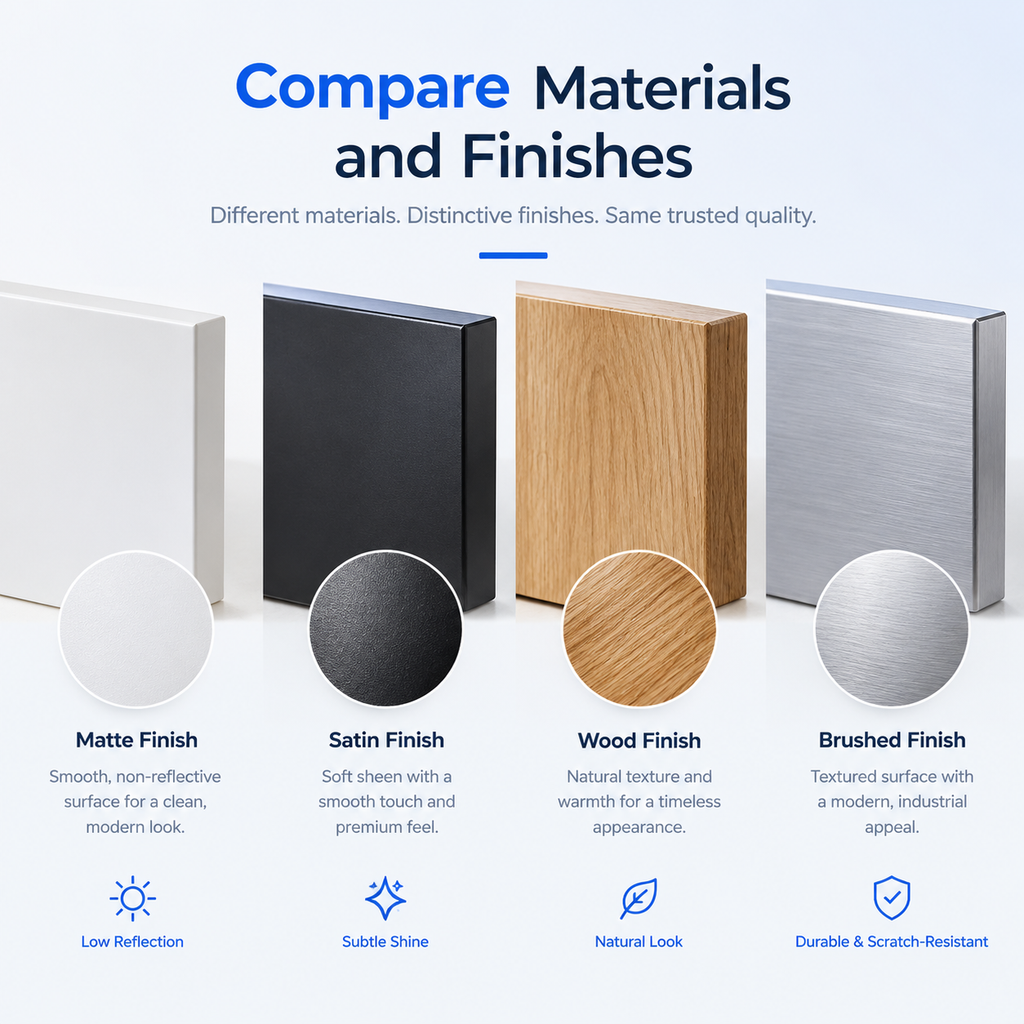
Material selection should reflect how often the deck will be handled and whether it needs to resist routine scuffs or occasional moisture. Paperboard is a common choice for a conventional retail deck; plastic constructions may be considered when wipe-clean handling is a priority. “Wipe-clean” describes an intended care property, not a guarantee of waterproofing or chemical resistance. Confirm the actual construction and care limitations with the manufacturer.
| Option | Useful for | Trade-offs to review |
|---|---|---|
| Coated paperboard | Illustrated decks, retail sets, and familiar card handling | Compare thickness, stiffness, surface feel, scuff resistance, and how the coating affects writing or grip. |
| Plastic card material | Decks where repeated handling or wipe-clean care is important | Review print appearance, flexibility, tactile feel, cost, and compatibility with your intended packaging. |
| Matte surface finish | Reducing glare and supporting a restrained visual style | Check color appearance, surface marks, and whether the finish fits the brand’s artwork. |
| Gloss surface finish | Strong color presentation and a smooth printed surface | Consider reflections under studio lighting and visible fingerprints or scuffs. |
Ask for stock and finish options in comparable samples. Thickness may be specified in GSM, PT, or millimeters, and these measurements are not interchangeable without knowing the material construction. This card thickness and core guide explains the distinctions to check with a supplier.
Rounded corner cards are often comfortable to handle and can reduce sharp corners catching during use. Select a corner radius that suits the card size and deck style, and verify it on a physical sample. For more options across coated paperboard and finishes, review card material and finish considerations for wellness decks.
Choose Practical Wellness Deck Packaging
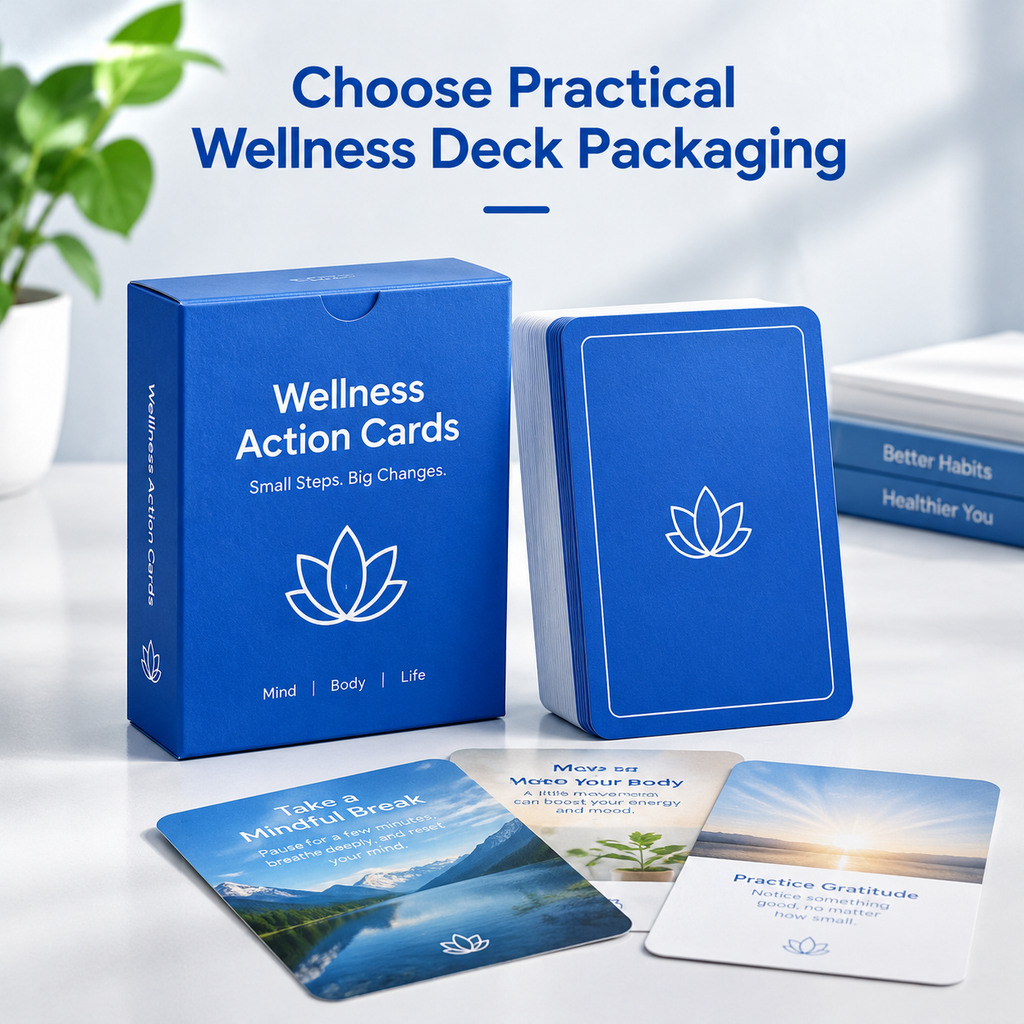
Wellness deck packaging should protect the cards, suit the selling channel, and make the contents easy to store between practices. A tuck box can provide a compact retail format; a rigid box can create a more substantial presentation; a magnetic case may suit a kit or gift-oriented offer. These choices affect material use, packing steps, shipping dimensions, and cost, so compare the complete packed product rather than the box alone.
Decide whether the deck needs an instruction leaflet, divider cards, or a belly band. Confirm the finished card stack height, insert dimensions, opening style, and any wrapping method. If the product is bundled with other wellness items, share the dimensions and packing sequence for every component so the package can be checked as a complete kit. Explore custom card packaging options to compare common box structures.
Packaging artwork should be checked for legal product information, brand marks, readable text, and any market-specific labeling supplied by the buyer. The printer can verify print files and physical fit, but the brand remains responsible for confirming product claims and required labeling.
Plan Sampling and Production
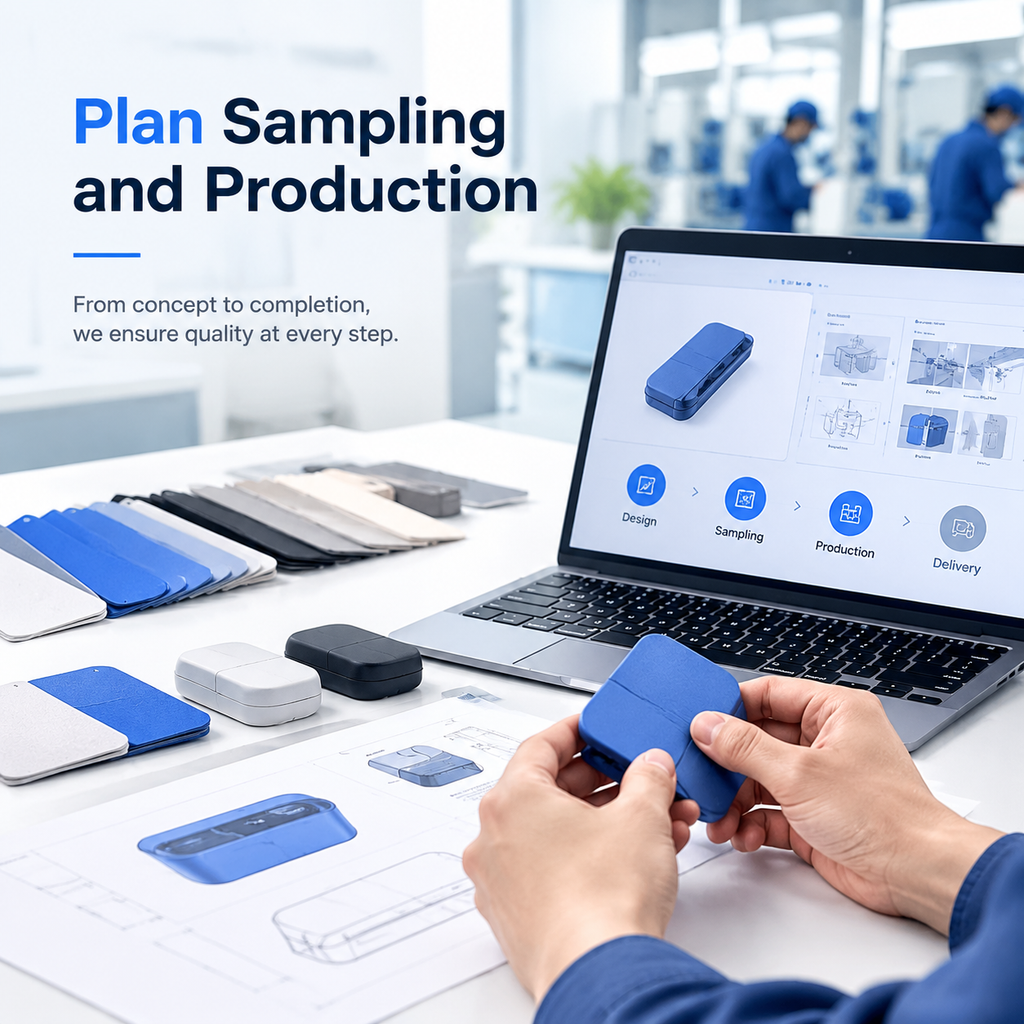
A sample helps buyers assess printed color, card feel, corner shape, legibility, and box fit before committing to bulk production. Treat the sample as a review point for both artwork and construction. Specifications, MOQ, price, and lead time depend on the project; request a quotation against a complete specification rather than comparing estimates based on different assumptions.
- Prepare the brief. Provide card count, finished dimensions, front-and-back design requirements, material preference, finish, corner radius, packaging, order quantity, destination, and any kit assembly needs.
- Review artwork. Supply print-ready files using the printer’s template and confirm bleed, safe area, color mode, image resolution, font handling, and file version. Approve text and pose details with the appropriate subject-matter reviewer.
- Confirm the sample. Review the printed result under realistic lighting. Check image clarity, small text, color, surface feel, card handling, corner cut, collation, and packaging fit. Record corrections clearly.
- Approve production specifications. Confirm the final sample or agreed proof, quantity, materials, finishes, packaging, quality checkpoints, and shipping plan in writing.
- Review bulk production and packing. Agree how finished goods will be inspected, counted, protected, and prepared for export before the order proceeds.
Sample method, availability, and any related charges depend on the project. Ask whether the sample uses the intended material and finish or is a visual proof only, because those answer different questions.
Check Quality, Packing, and Shipping

Quality checks should follow the product from artwork review through packing. For an instructional deck, a useful inspection plan includes the following:
- Verify artwork version, card count, sequence, and front-to-back alignment.
- Check print clarity, color against the approved reference, and visible surface defects.
- Inspect dimensions, thickness consistency, rounded corners, and cutting quality.
- Confirm the deck is collated correctly and packaging fits without damaging or excessively compressing cards.
- Check packed quantities, carton protection, shipping marks, and the buyer’s export documentation requirements.
Agree acceptance criteria and inspection responsibilities before production. A seven-stage quality-control process can include checks at artwork, printing, finishing, cutting, collation, packaging, and final packing stages; the specific checkpoints should be confirmed for the order. Export packing and shipping arrangements should account for carton strength, order volume, destination, and chosen transport method. Transit times and shipping costs depend on routing, carrier, season, and shipment details, so confirm current arrangements during quotation.
Keep a signed-off reference sample or documented proof for future repeat orders. This makes it easier to identify material, finish, color, and construction expectations when replenishing the deck.
Key Takeaways
- Design the instruction card layout around the user, practice setting, and reading distance.
- Choose paperboard or plastic based on handling, care expectations, tactile feel, and budget; verify material claims with a physical sample.
- Check rounded corner cards, finish, and packaging together because construction choices affect fit and handling.
- Use sampling to assess both printed appearance and physical construction before bulk approval.
- Specify quantity, inspection criteria, export packing, and destination early; MOQ, price, and lead time depend on project requirements.
Conclusion

Successful custom yoga card printing brings together clear pose instruction, fit-for-purpose material, comfortable handling, and packaging suited to the way the deck will be sold or used. A complete specification and an appropriately detailed sample give wellness brands a practical basis for approving production. Share the intended use and product requirements with your manufacturer early so material, finishing, packaging, quality checks, and shipping can be planned together.
FAQ
What information should I provide when requesting a yoga card deck quote?
Share the card count, finished size, artwork status, material preference, finish, corner style, packaging, order quantity, destination, and whether the deck needs inserts or kit assembly. Specifications, MOQ, price, and lead time depend on the complete project requirements.
Are paperboard or plastic cards better for yoga pose cards?
Neither is best for every deck. Paperboard is a familiar option for illustrated retail decks, while plastic may be considered when wipe-clean handling is a priority. Compare samples for feel, flexibility, print appearance, durability expectations, packaging fit, and cost. Confirm care limitations with the manufacturer.
Do yoga card decks need rounded corners?
Rounded corners are a common choice for comfortable handling and a finished deck appearance. The suitable radius depends on card dimensions and design. Review the cut on a production-representative sample, especially if the artwork places important details near the edges.
What should a sample prove before bulk production?
Check artwork clarity, text size, color, card feel, thickness, finish, corner shape, collation, and packaging fit. Ask whether the sample uses the intended production material and finish or is only a visual proof, then record approvals and corrections.
How do I choose wellness deck packaging?
Match the structure to protection needs, retail presentation, budget, kit contents, and shipping dimensions. Compare tuck boxes, rigid boxes, and other suitable cases with the finished card stack and inserts so fit and packing requirements are confirmed before production.
Ready to Start Your Custom Card Project?
Send us your card type, size, material, quantity, finish, and packaging requirements. Our factory team will recommend suitable production and sampling options and prepare a tailored quote.
Keep Reading
Related Articles
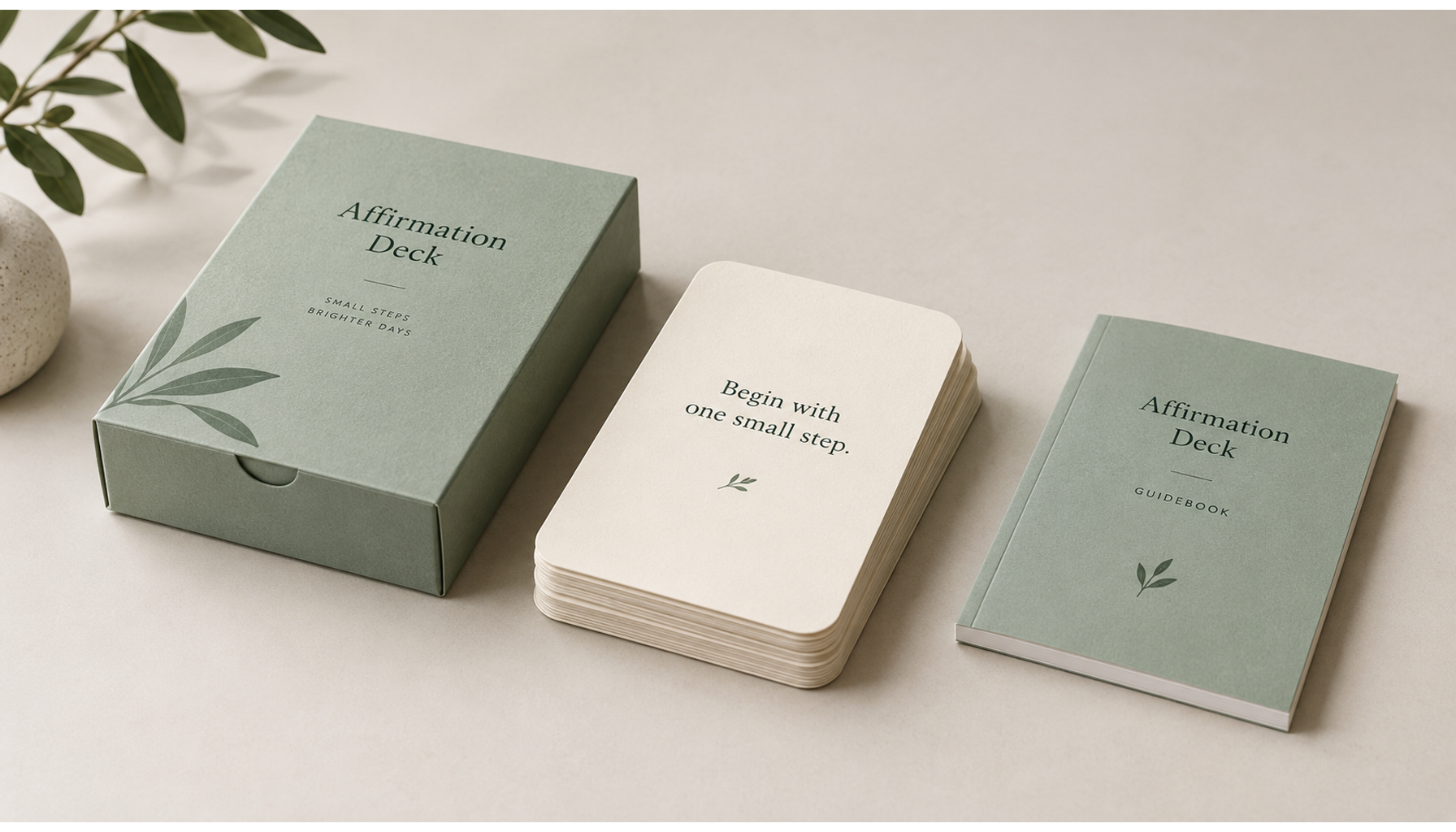
Custom Affirmation Card Printing: Retail Deck Planning
Plan a retail affirmation deck around readable text, comfortable daily handling, and gift presentation. Learn how to specify cards, finishes, guidebooks, packaging, samples, and bulk production.
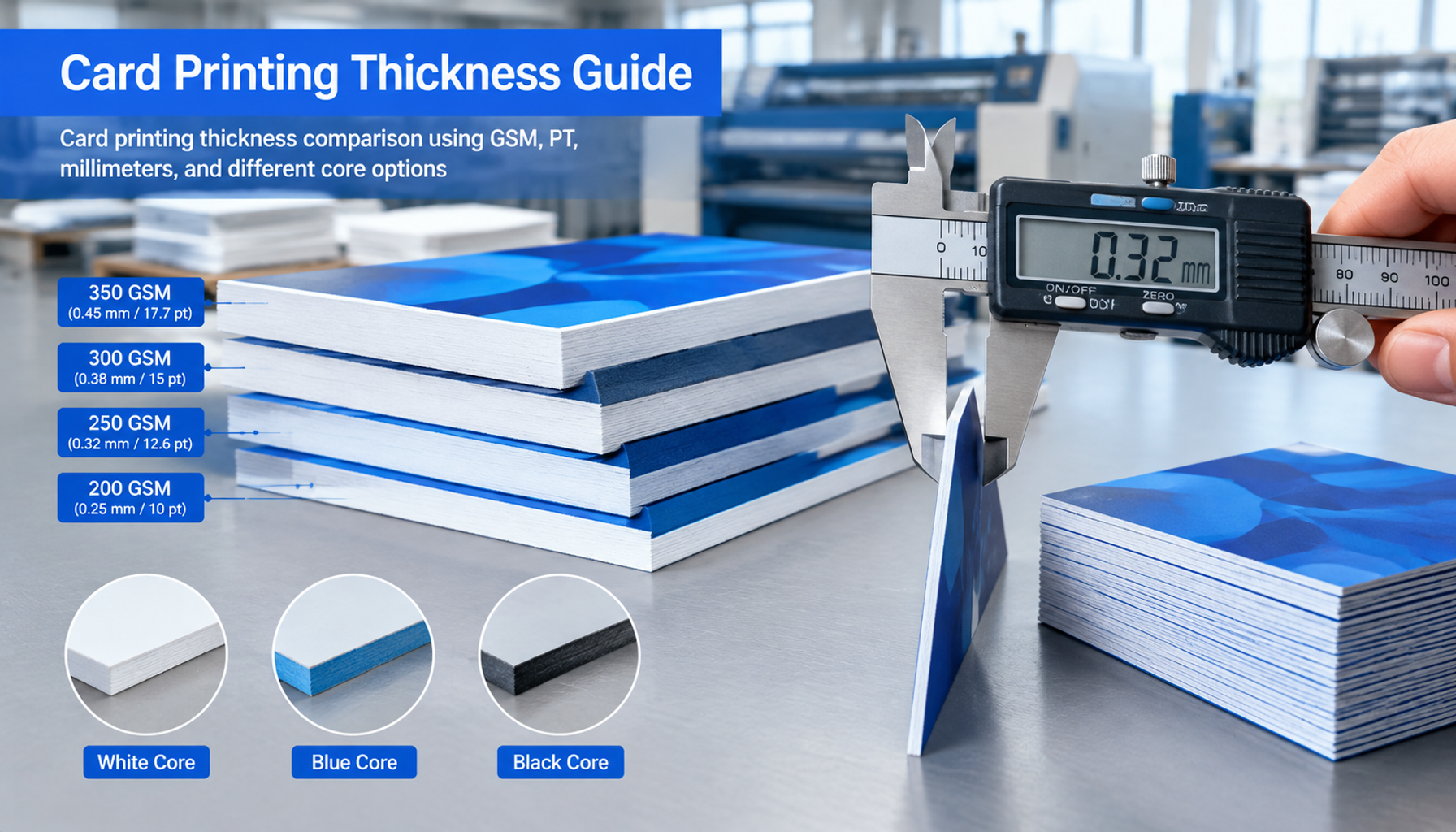
Card Printing Thickness: GSM, PT, and Core Selection Guide
A practical B2B guide to comparing GSM, PT, millimeters, paperboard cores, and plastic constructions when specifying custom cards.
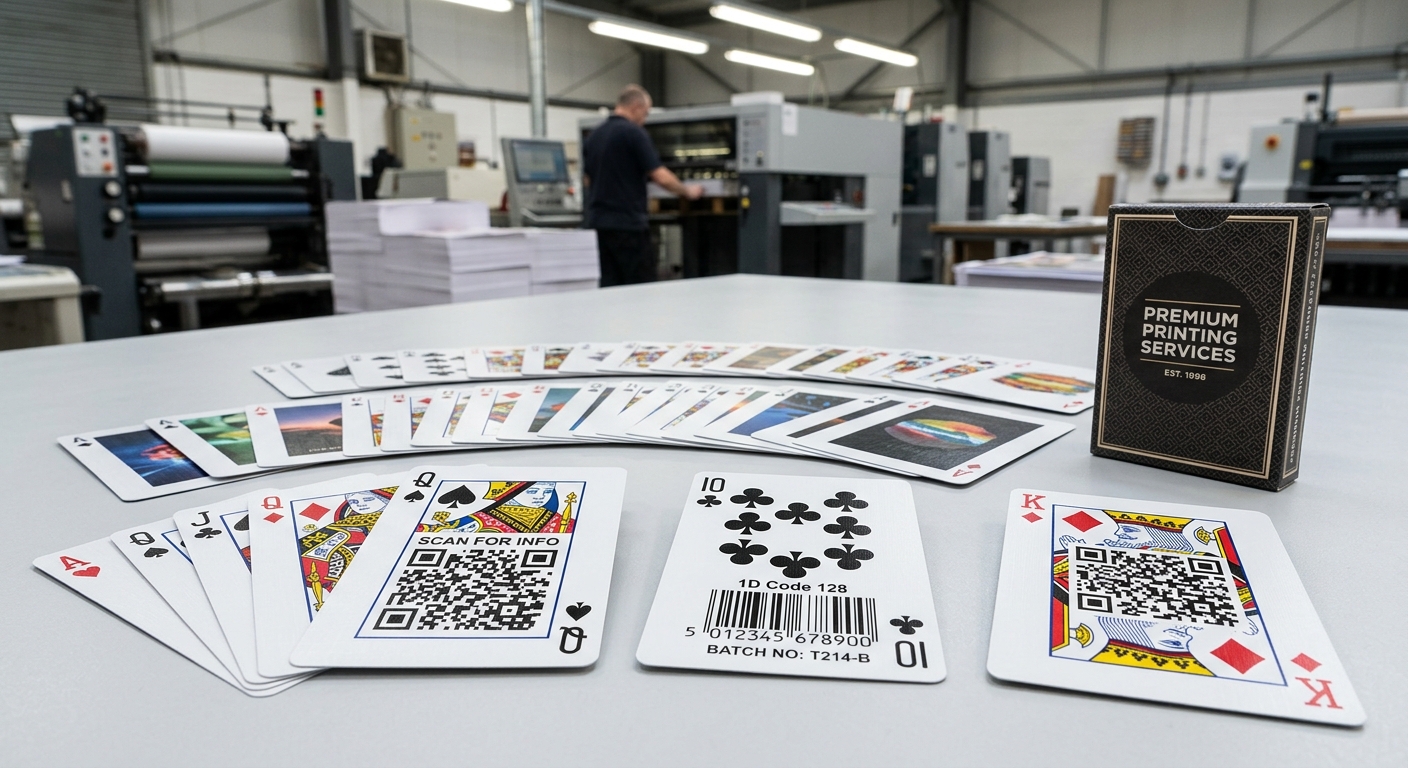
How to Print Custom Cards with QR Codes and Barcodes in a Deck
Printing scannable codes on a custom card deck requires coordination between code generation, database management, artwork preparation, print production, finishing, and scan testing. This practical guide explains how B2B buyers can prepare reliable QR codes and barcodes for static or variable-data card decks.
Fast Quote Support
Ready to Start Your Custom Card Project?
Send us your product type, size, material, quantity, and packaging requirements. Our team will reply within 24 hours with production suggestions, sampling options, and a competitive quote. No setup fees.